⚾ Sports Cards
Rookie cards, graded gems and vintage wax from baseball, basketball and football.
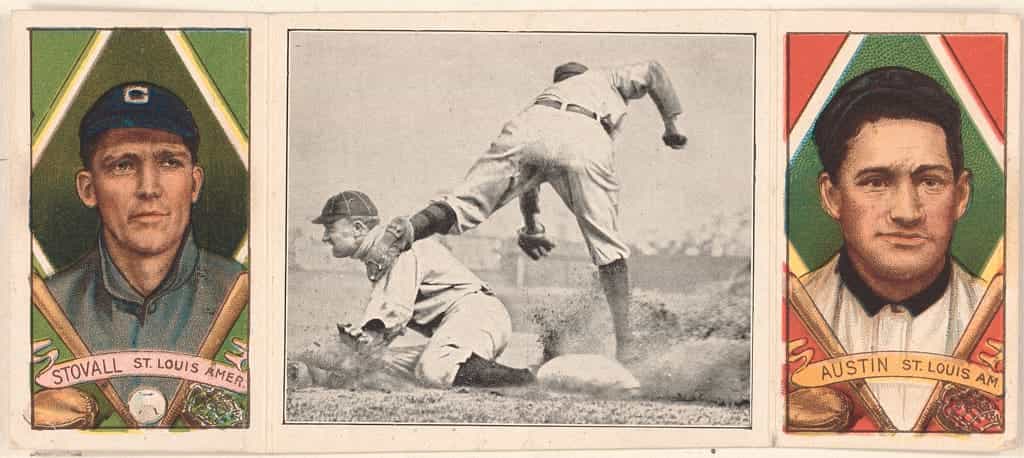
Photo: American Tobacco Company, sponsor / Public domain
Sports cards: rookies, grading and buying with confidence
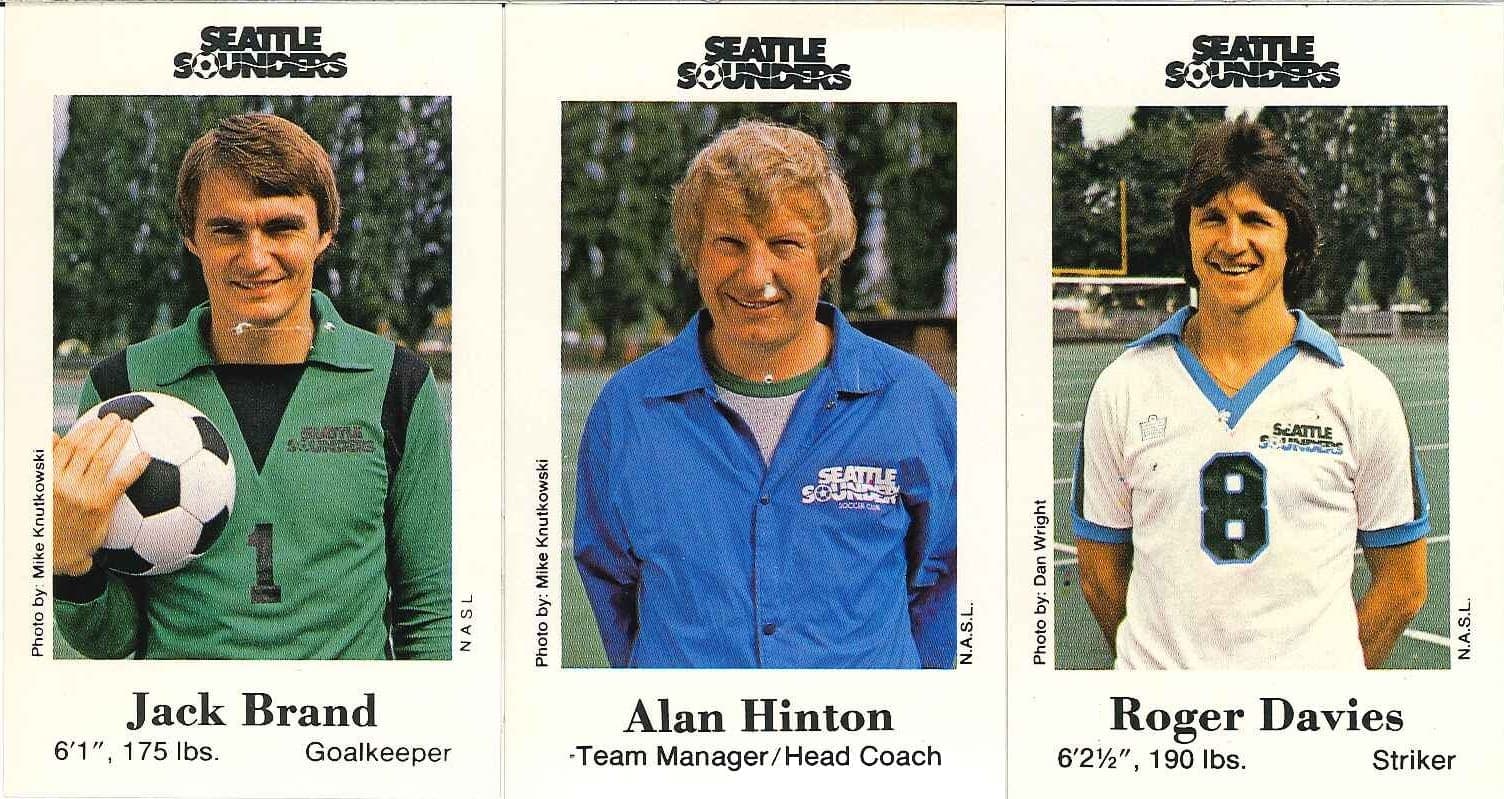
Sports cards range from 1950s baseball and vintage wax packs to modern rookie cards, numbered parallels and refractors across baseball, basketball, football and hockey. Whether you collect your favorite team, chase a player’s rookie card or hunt for low-population graded gems, the market is huge, fast-moving and full of opportunities for buyers who do their homework.
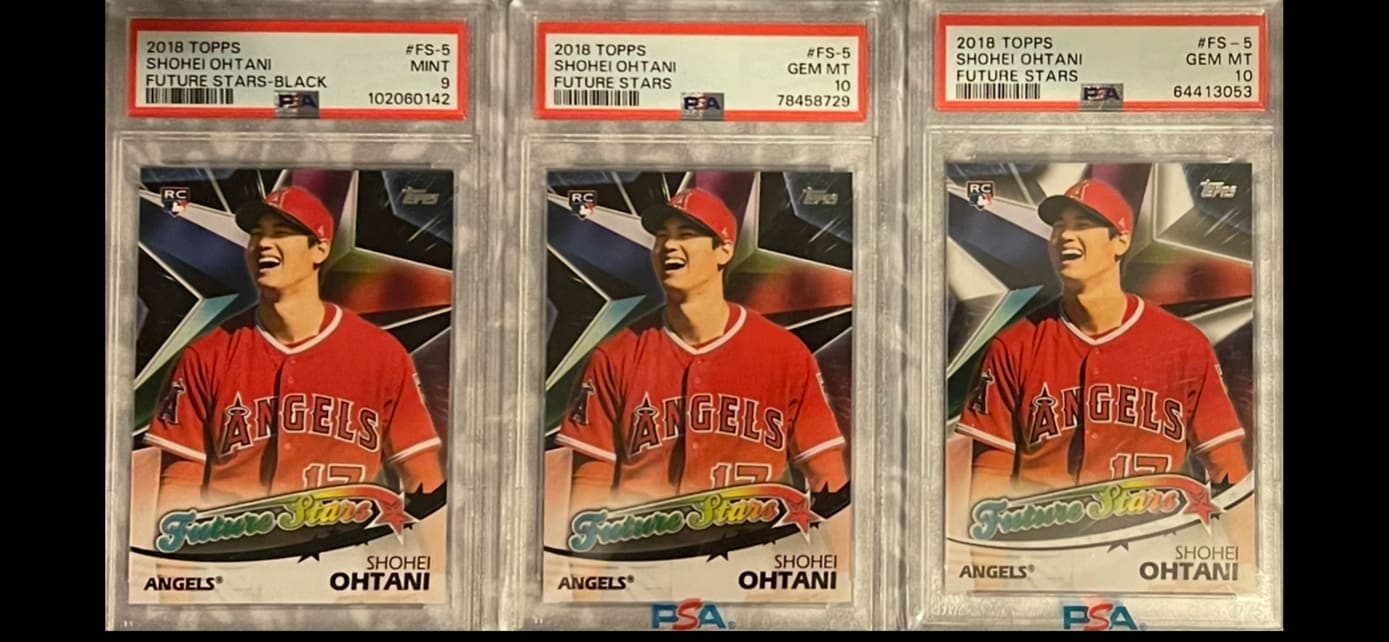
Several factors decide what a card is worth: the player, the year and set, whether it’s a true rookie card, any serial numbering or parallel, and condition. Corners, edges, surface and centering all feed into grades from companies such as PSA, BGS, SGC and CGC, and the gap between a mid grade and a gem grade can be enormous. That value gap creates temptation, so be alert to trimmed edges, recolored corners and other alterations, plus fake slabs and counterfeit cards of iconic players. Knowing how to tell if a sports card is real, and whether it has been altered, protects you on the biggest purchases.
Before you bid, match the exact card, parallel and grade, then check recent sold listings rather than asking prices. For graded cards, verify the certification number on the grader’s website and compare the card in the photos to the image on file when one is available. The guides below cover grading, rookie cards, parallels, vintage baseball, altered cards and price-checking, and live listings from eBay sit right alongside them for when you’re ready to shop.
Sports Cards guides



The story behind it

Sports Cards: common questions
What sports cards are worth money?+
The most valuable cards typically feature star or Hall of Fame players, especially their true rookie cards, in high grades. Vintage cards in excellent condition, low serial-numbered parallels, autographs and memorabilia cards can also command strong prices. Most mass-produced cards from the late 1980s and early 1990s are worth little because so many were printed and saved.
Is it worth getting my cards graded?+
Grading makes sense when a card is valuable enough, and in good enough condition, that a high grade would add more than the grading fee and shipping. It also helps with authentication and makes selling easier. For common cards or cards with visible flaws, grading often costs more than it adds. Check sold prices for graded and raw copies first.
How can you tell if a card has been trimmed?+
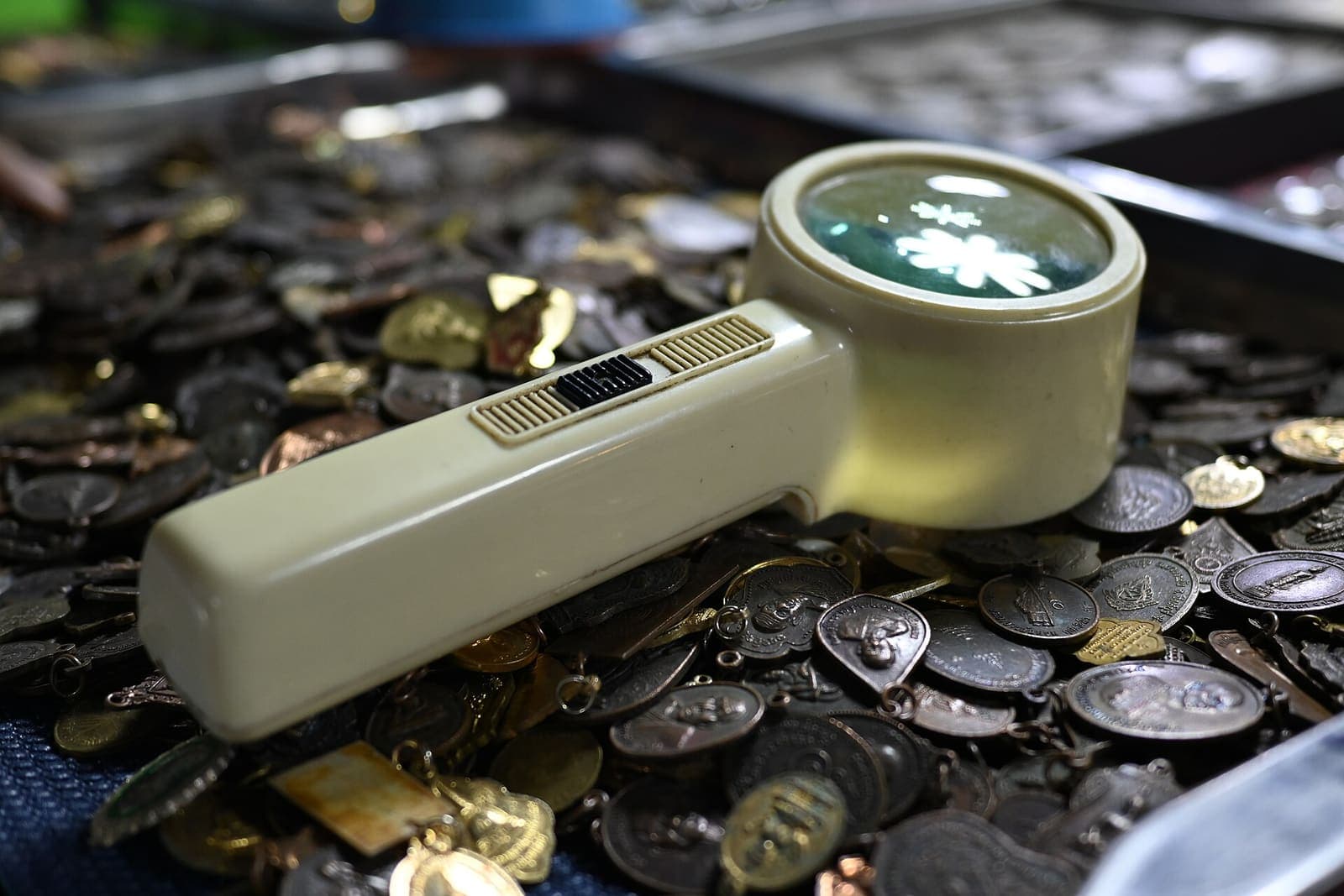
Compare the card’s size against a known genuine copy from the same set, and look for edges that seem unusually sharp, wavy or uneven. Trimmed cards may be slightly short or narrow and sometimes show a different edge texture. Graders reject cards they believe are trimmed, which is one reason graded copies carry a premium for expensive vintage and modern cards.