How to Spot Trimmed, Recolored and Pressed Sports Cards Before You Buy
Card doctors trim edges, rebuild corners and press out creases to fake higher grades. Learn the warning signs and why the major graders reject altered cards.
By The Grail Hunt · July 25, 2026 · 3 min read

This guide contains eBay affiliate links. If you buy through them we may earn a commission, at no extra cost to you. Read our affiliate disclosure.
When a single grade point can change a card's value dramatically, some people try to manufacture that grade point. Card doctoring — altering a card to make it look better than it is — has been around as long as grading itself. Here's how the most common alterations work and how to protect yourself.
Trimming
Trimming means shaving a sliver off one or more edges to sharpen corners, clean up chipped edges or improve centering. It's the most common alteration, and it's why graders measure every card.
Warning signs:
- Undersized dimensions. Measure against the standard size for that specific set. Even a small difference matters.
- Edges that are too clean or too sharp compared with the rest of the card's wear. A well-loved card with razor-perfect edges is suspicious.
- Wavy or uneven edges, or tiny "hooks" at the corners where the blade entered or exited.
- Mismatched edge texture. Factory-cut edges have a characteristic look for each set. A trimmed edge often looks different from the untouched ones.
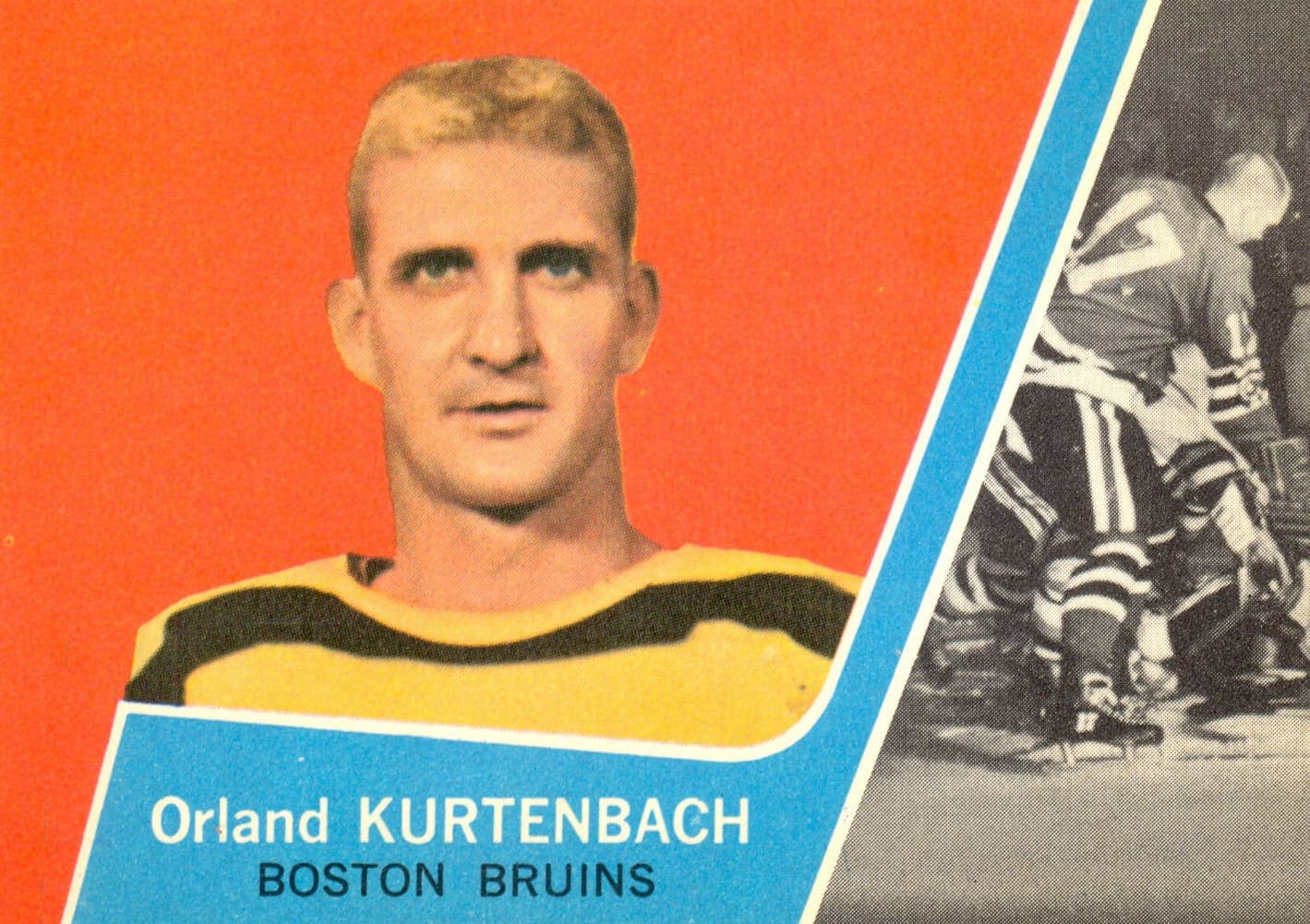
- Borders that are unusually narrow on one side compared with other examples.
Recoloring and touch-ups
On cards with colored borders, doctors may use markers, paint or pencil to hide edge chipping and corner wear. Other touch-ups include filling in print defects or darkening faded areas.
Look for:
- Color that's slightly off from the surrounding border under strong light.
- A sheen or texture change where ink was added.
- Color sitting on top of whitening rather than covering it cleanly.
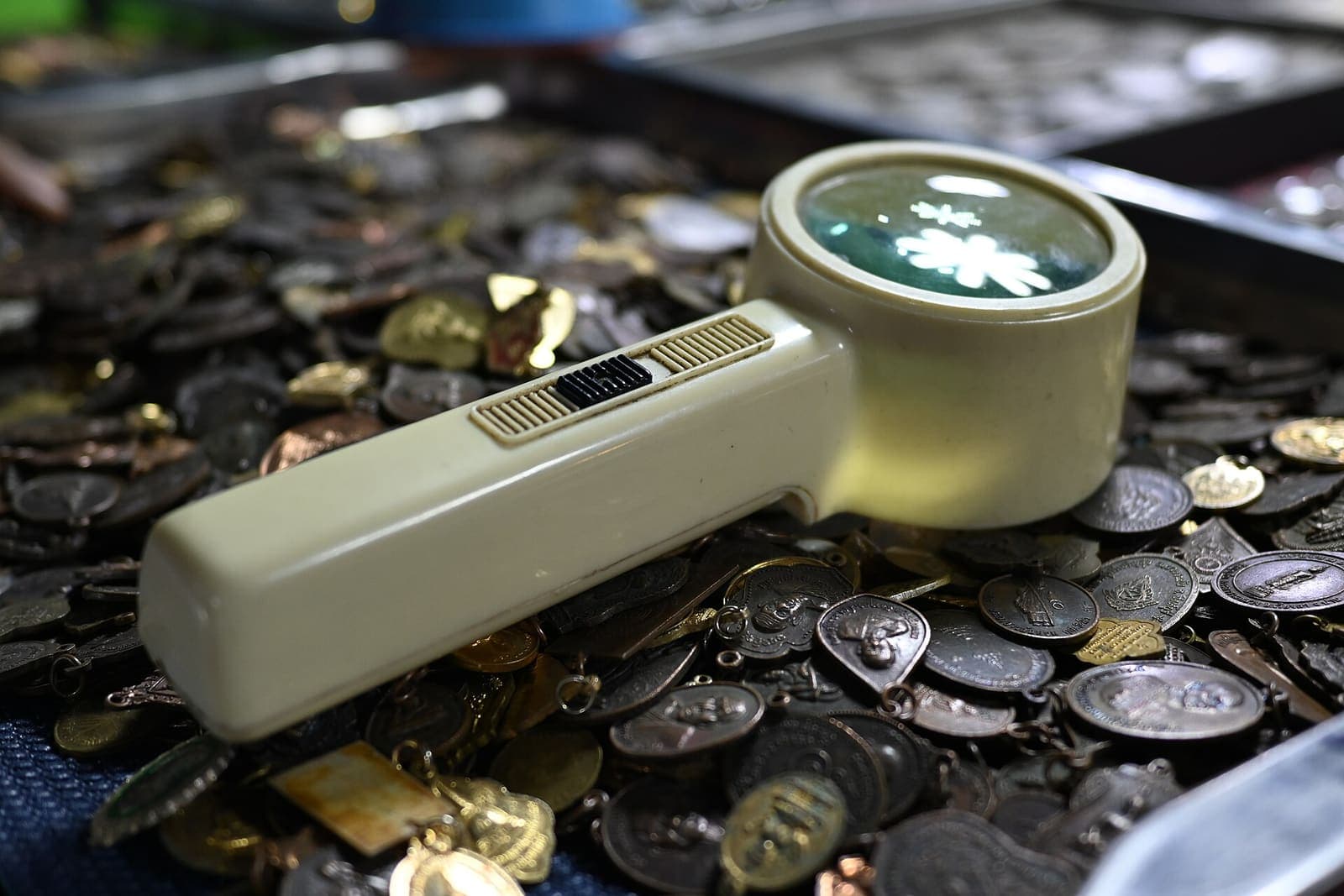
A loupe and angled lighting are your best tools here.
Pressing and crease removal
Heat, moisture and pressure can flatten creases, dents and wrinkles. Pressing can make a creased card look clean in straight-on photos.
Clues include:
- Faint lines visible only when the card is tilted under raking light.
- A surface that looks wavy, stretched or unusually flat and glossy.
- Loss of surface gloss in a narrow line where a crease used to be.
Cleaning, rebuilt corners and other tricks
- Chemical cleaning can remove stains and dirt but may leave the surface dull, blotchy or unnaturally white.
- Rebuilt corners use paper pulp or filler to reconstruct soft or missing corners.
- Re-glossing adds a coating to restore shine.
- Restored stock involves reinforcing or re-layering damaged cardboard.
Why graders reject altered cards
The major graders — PSA, BGS, SGC and CGC — grade cards in their original factory condition. When they detect evidence of trimming, recoloring or other alterations, they typically won't assign a numerical grade. Instead, the card may be returned ungraded or slabbed with a label indicating it is authentic but altered. Those labels sell at a steep discount to straight-graded cards.
Graders don't catch everything, and occasionally altered cards slip into slabs. But their scale, measurement tools and experience make them far better at detection than most individual buyers.
Grail Hunt tip: Be extra cautious with a raw card that looks strikingly better than every other copy you've seen, especially if the seller is vague about where it came from. Exceptional condition on an expensive raw card is exactly what a doctor is trying to sell.
Buying safely online
- Ask for photos out of any sleeve or top loader, including close-ups of all four corners and edges.
- Ask for an angled photo under a bright light to reveal pressed creases and surface changes.
- Ask the seller directly whether the card has been trimmed, pressed, cleaned or altered in any way, and keep their written answer.
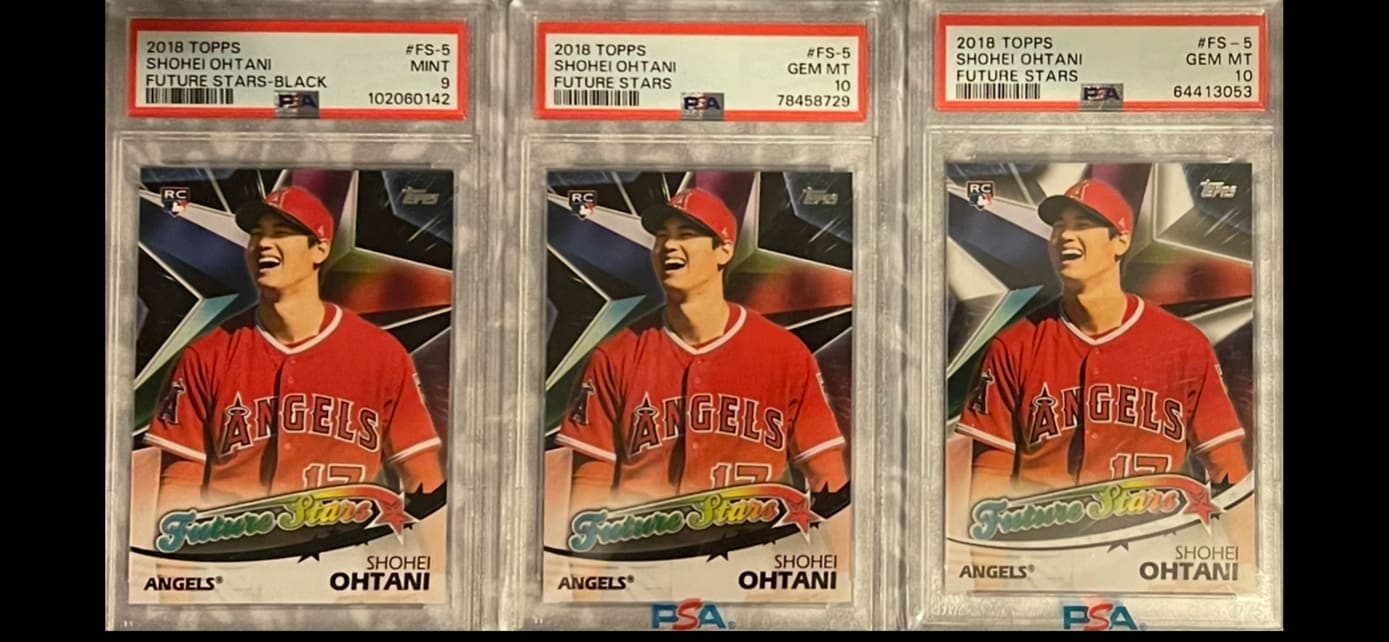
- For expensive cards, buy graded and verify the certification number on the grader's website.
- Check for eBay's Authenticity Guarantee on eligible listings, and use payment methods with buyer protection.
- Compare the card with other graded copies in the same set; unusual border widths or sizes stand out quickly.
The bottom line
Altered cards are designed to fool you in photos. Measure, inspect under angled light, ask direct questions and lean on professional grading for anything significant. A slightly worse card that's honest is always a better buy than a perfect card that's been doctored.
The story behind it

More Sports Cards guides