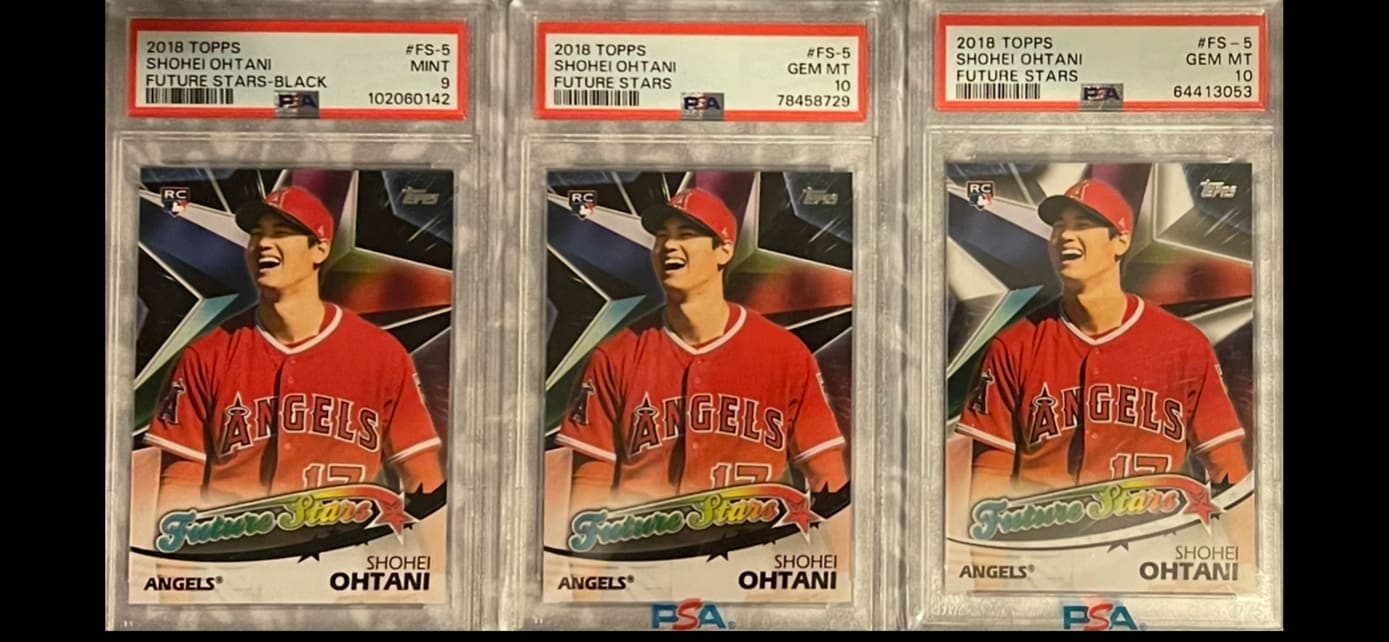
Price Check Like a Pro: Using Sold Listings Before You Bid
Asking prices lie; sold prices don't. A step-by-step method for finding what a card — or any collectible — really sells for.
By The Grail Hunt · September 12, 2026 · 2 min read
This guide contains eBay affiliate links. If you buy through them we may earn a commission, at no extra cost to you. Read our affiliate disclosure.
The single most useful habit in collecting is checking what an item has actually sold for before you buy. Asking prices are just wishes. Sold prices are the market. Here's how to price-check like a dealer.
Step 1: Filter for sold items
On eBay, search for the item, then turn on the Sold Items filter. You'll see completed listings that found a buyer, with the final price. Ignore active listings when you're working out value — plenty of items sit unsold for months at inflated prices.
Step 2: Match it exactly
Comparing the wrong things is the most common mistake. For a card, match:
- Year, set and card number
- Parallel or variation (a refractor or numbered parallel can be worth many times the base card)
- Grade and grading company (a PSA 9 and a BGS 9 don't always sell for the same price)
- Raw or graded
For other collectibles, the same principle applies: same model, same condition, same completeness.
Step 3: Watch out for Best Offer sales
When a listing sells via Best Offer, eBay may show the original asking price crossed out rather than the accepted offer. The real price was lower. Third-party tools that track sold prices can sometimes reveal accepted offer amounts — useful for high-value items.
Step 4: Look at the trend, not one sale
A single sale can be an outlier — a bidding war, or a poorly titled listing that went cheap. Look at the last five to ten comparable sales and note the range. Is the price climbing, flat or falling?
Grail Hunt tip: Sort sold listings by date and look at the most recent sales first. Markets for popular players and cards can move fast, and a sale from six months ago may no longer reflect today's price.
Step 5: Factor in the total cost
Remember shipping, sales tax and, for raw cards, the cost of grading if you plan to submit. A "cheap" card with expensive shipping may not be cheap.
Auction or Buy It Now?
Auctions can be a bargain when they end at unpopular times or have poorly written titles and photos. Buy It Now listings give certainty. With your sold-price range in hand, you can decide what you're willing to pay — and walk away when the price goes above it.
The bottom line
Filter for sold, match the item exactly, look at several recent sales, and add up the full cost. Do that every time and you'll almost never overpay for your grail.
More Sports Cards guides