What Counts as a Rookie Card? RC Logos, Prospects and True Rookies
Not every first card is a rookie card, and the difference can change value dramatically. Here's how RC logos, prospect cards and true rookie debates work.
By The Grail Hunt · July 27, 2026 · 6 min read
This guide contains eBay affiliate links. If you buy through them we may earn a commission, at no extra cost to you. Read our affiliate disclosure.
Ask ten collectors to define a rookie card and you might get ten slightly different answers. That matters, because a player's recognized rookie card is usually the most sought-after card of their career. Before you pay a rookie premium, make sure the card actually earns the label — and that you're buying the version the market actually values.
The basic idea
A rookie card is generally a player's first mainstream, licensed card issued during or around their first season in the top league. It's the hobby's way of marking the beginning of a career, and that's why demand for it tends to outpace later cards of the same player.
The details, though, have changed over the decades, and different sports handle it differently.
The RC logo
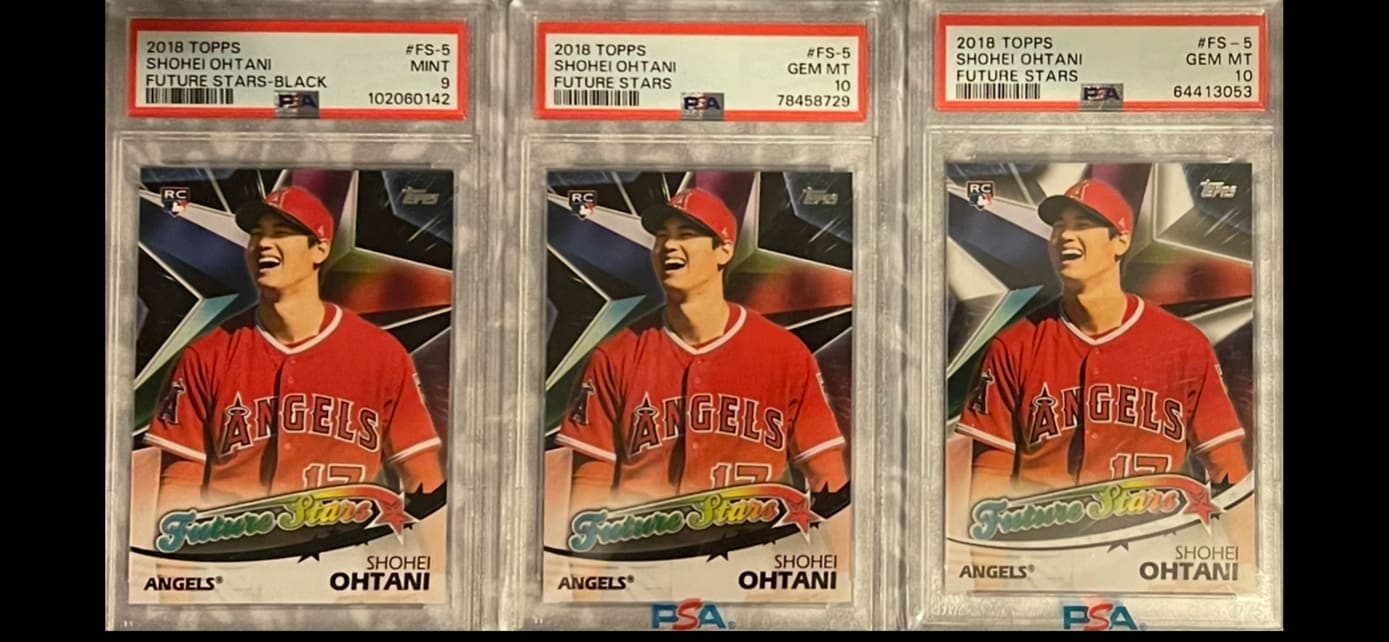
Modern licensed cards often carry an official RC logo printed on the front. In baseball, standardized rules introduced in the mid-2000s tied the logo to a player's major league debut, which reduced the confusion caused by years of prospect cards being marketed as rookies. Football and basketball have their own conventions, and rookie designations there are usually tied to a player's first season after the draft.
The logo is a strong signal, but it isn't the whole story:
- Older cards were issued long before any logo existed, so collectors rely on hobby consensus and price guides.
- A player may have multiple RC-logo cards across many sets in their rookie year. Some are far more desirable than others.
- Flagship sets and premium brands usually command the most attention.
Prospect and pre-rookie cards
Many players appear on cards long before their rookie season:
- Prospect cards show players in the minor leagues or before they debut. In baseball, cards designated as a player's "1st Bowman" card are especially popular.
- College and draft cards feature players before they turn pro.
- Minor league team sets and regional issues can predate everything else.
- Olympic and international cards sometimes picture future stars early.
These cards can be very valuable, but they are not rookie cards in the traditional sense. A good listing will say "prospect" or "1st Bowman" rather than "RC" when that's what it is.
Mike Trout shows how both categories can matter. His 2009 Bowman Draft prospect cards — especially the chrome autographs — are among the most valuable modern baseball cards, yet they predate his 2011 debut and are prospect cards, not rookies.
Extended and update rookies add another wrinkle. In some eras, a player's first card appeared in a traded, update or extended set released late in the season, rather than in the main flagship set. Collectors often label these XRC (extended rookie card). Whether an XRC or the following year's flagship card is the "real" rookie is exactly the kind of question that keeps hobby forums busy.
Trout again is a good modern example: his key flagship rookie is the 2011 Topps Update Mike Trout #US175, released late in 2011 after his mid-season debut.
Base cards, parallels and variations
Once you know which card is the key rookie, the next question is which version. Modern sets print the same rookie in many forms:
- Base — the standard card, usually the most common.
- Parallels — the same design with a different color, foil or refractor finish, often serial-numbered to a limited print run.
- Short prints and image variations — a different photo or design detail, inserted at lower odds.
- Retail-exclusive versions — borders or finishes found only in certain store products.
Prices can differ by many multiples between versions of the same rookie. A listing titled "Trout rookie" might be the base card, a numbered gold parallel or a rare retail variation, and the sold prices are not interchangeable. Our guide to refractors and numbered parallels explains how to read these differences.
Rookie autographs and patches
Modern products are full of rookie autographs and rookie patch autographs (often called RPAs). These combine the rookie year with a signature and a piece of game-used or event-worn memorabilia, and top-tier examples from premium sets can be among a player's most important cards. Check whether the autograph is on-card or on a sticker, and whether the card is serial-numbered — both affect desirability.
Grail Hunt tip: When a listing says "rookie," check the player's first season against the card's year and set. If the card predates their debut, it's a prospect card; if it's from a later year, it isn't a rookie at all — no matter what the title says.
Why "true rookie" debates matter
The market tends to agree on one or a few cards as a player's key rookie, and prices reflect that consensus. Debates arise when:
- A player has cards in several competing sets in their first year.
- Prospect cards arrived years before the debut.
- Licensing differences mean one card shows a team logo and another doesn't.
For buyers, the practical lesson is simple: find out which cards the hobby treats as the key rookies before you buy, because a lookalike card from a lesser set may not follow the same demand.
What drives a rookie card's value
Two copies of the same rookie can sell for wildly different amounts. The main factors:
- The player's career. Rookie prices track performance, awards and Hall of Fame chances. Prices of active players can swing with every season.
- Condition and grade. For modern rookies, the gap between a PSA 9 and a PSA 10 is often several times the price. See our Graded Cards 101 guide for how the grading scale and population reports work.
- Population. If tens of thousands of copies have been graded, high grades are less scarce than they look.
- Print run and version. Base, parallel, short print and autograph versions each have their own market.
- Eye appeal. Centering and a clean surface matter to buyers even within the same grade.
Spotting fakes and altered rookies
Popular rookies are prime targets for counterfeiters and card doctors. Watch for:
- Reprints and counterfeits with blurry text, wrong card stock or colors that look slightly off. Compare against a known genuine copy.
- Trimmed edges that look too sharp or make the card slightly undersized.
- Recolored corners and edges, especially on dark borders where white wear has been touched up.
- Fake slabs, or real slabs with the wrong card inside. Always look up the cert number and compare any images the grader provides.
- Fake serial numbers or added autographs on otherwise genuine cards.
Buying rookie cards safely
- Confirm the set, year and card number against a checklist.
- For expensive rookies, favor graded copies and verify the certification number.
- Ask for sharp photos of front and back, including corners and edges.
- Compare with sold listings, not asking prices, and make sure you're comparing the same card and parallel.
Good questions for a seller of a raw rookie:
- Is this the base card or a parallel?
- Has it been stored in a sleeve and toploader since it came out of the pack?
- Can you send an angled photo under a light to show the surface?
A quick rookie-buying checklist
- The card is from the player's debut season, or is the hobby-recognized key rookie.
- The set and card number match a published checklist.
- You know whether it's base, parallel or variation.
- Sold comps are for the same version and same grade.
- For valuable copies, the slab's cert number checks out.
The bottom line
A rookie card is more than a first card — it's the hobby's agreed-upon starting point for a career. Learn to tell true rookies from prospects and later-year cards, and you'll avoid paying rookie prices for cards that don't carry rookie demand.
More Sports Cards guides