Refractors, Numbered Parallels and 1/1s: Modern Card Rarity Explained
Modern card products are packed with parallels, serial numbers and short prints. Learn how each type of rarity works and how to verify what you're buying.
By The Grail Hunt · July 24, 2026 · 3 min read
This guide contains eBay affiliate links. If you buy through them we may earn a commission, at no extra cost to you. Read our affiliate disclosure.
Open a modern box of cards and you'll find the same player in a rainbow of versions: shiny, colored, numbered, autographed. These variations — parallels — are how today's products create scarcity. Understanding them is essential, because two cards that look almost identical can have completely different levels of rarity.
What a parallel is
A parallel is a version of a base card that shares the same design and card number but differs in some way: a different border color, a special finish, a foil pattern or a serial number. The base card is the most common version, and each parallel is produced in a smaller quantity.
Most modern sets publish a checklist of their parallels, often with print runs for the numbered ones. That checklist is your reference point for everything else.
Refractors
Refractors are chrome-style cards with a reflective, rainbow-like finish that shimmers when tilted. They debuted with Topps Finest in the early 1990s and became a staple of chrome products across many brands.
- A standard refractor is usually unnumbered, while colored refractors are often serial-numbered.
- Different products use different patterns — wave, prizm, shimmer, mojo and more — each with its own name and rarity.
- Refractors can be hard to distinguish from base chrome cards in poor photos. Tilting the card under light reveals the rainbow effect.
Serial-numbered parallels
Serial-numbered cards carry a stamped or printed number, such as 25/99, showing that card's place in a limited print run.
- Lower numbers generally mean scarcer cards, so a /10 is scarcer than a /99.
- Some collectors pay extra for a jersey number match (the serial number matches the player's uniform number) or the first or last card in the run.
- The number is usually on the back, though some products place it on the front.
1/1s and printing plates
A 1/1 is a one-of-one — the only copy of that card. Common types include:
- Top-tier color parallels, such as superfractors, numbered 1/1.
- Printing plates, the actual metal plates used to print the card. Each card typically has four plates, one each for cyan, magenta, yellow and black, so each plate is a unique 1/1.
- Unique autograph and patch combinations made in single copies.
Short prints and variations
Short prints (SPs) and super short prints (SSPs) are cards produced in smaller numbers than the base card but usually without serial numbers. They may feature a different photo, a retro design or a special image variation. Because they aren't numbered, you identify them by the card code, photo or design details listed on the checklist.
Grail Hunt tip: Always identify a parallel by its official name from the checklist, not the seller's description. Terms like "rare," "SSP" and "case hit" get thrown around loosely; the checklist tells you what the card really is.
How to verify a parallel
Fakes and misrepresentations happen:
- Fake serial numbers. Someone stamps a number onto a base card. Check that the font, foil color and placement match known genuine examples from the same set.
- Misidentified colors. Similar shades — say, two different green parallels — can be confused in photos. Ask for photos in natural light.
- Base cards sold as refractors. Ask for an angled photo that shows the reflective effect.
- Reprinted or counterfeit cards. Blurry text, wrong card stock and incorrect back designs are giveaways.
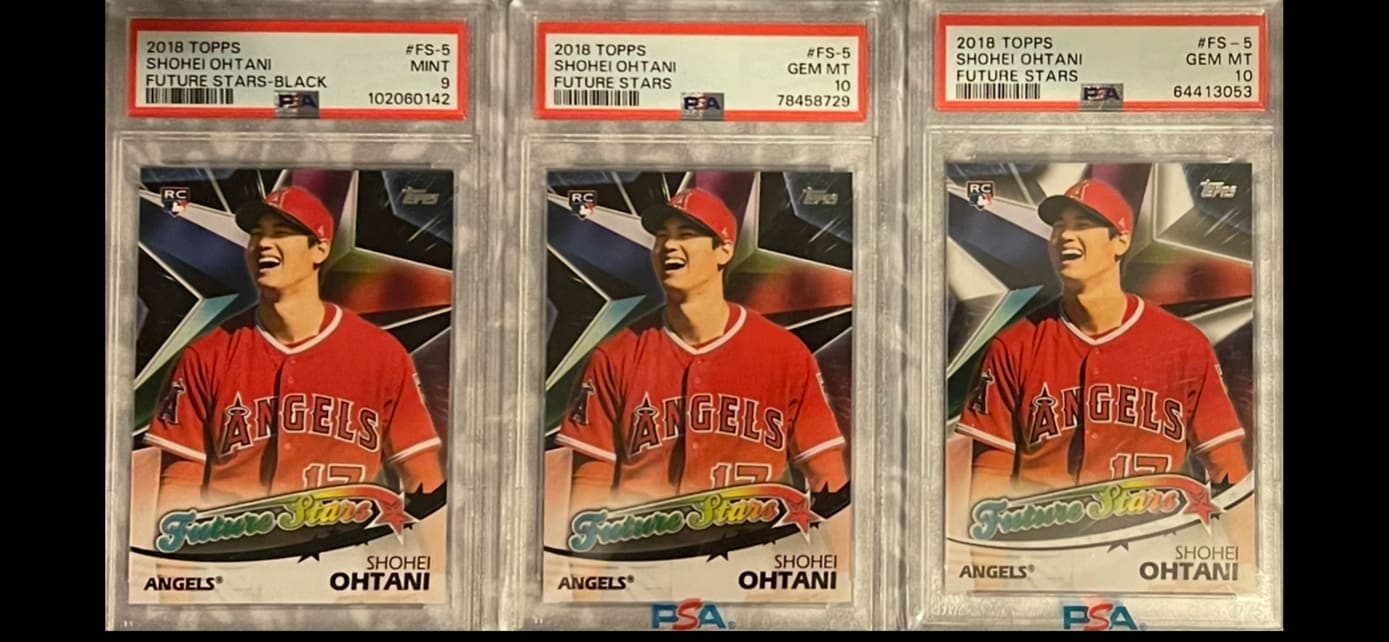
For valuable parallels, grading helps. The major graders identify the parallel on the label, and you can verify the cert number online. When you're ready to buy:
- Compare against sold listings for the exact parallel, not the base card or a different color.
- Request clear front and back photos showing the serial number.
- For expensive cards, favor graded examples and listings with buyer protection or eBay's Authenticity Guarantee where available.
The bottom line
Modern rarity lives in the details — finishes, colors, serial numbers and variations. Learn to read a checklist, verify serial numbers and demand clear photos, and you'll know exactly how rare that shiny card in the listing really is.
More Sports Cards guides