🪙 US Coins
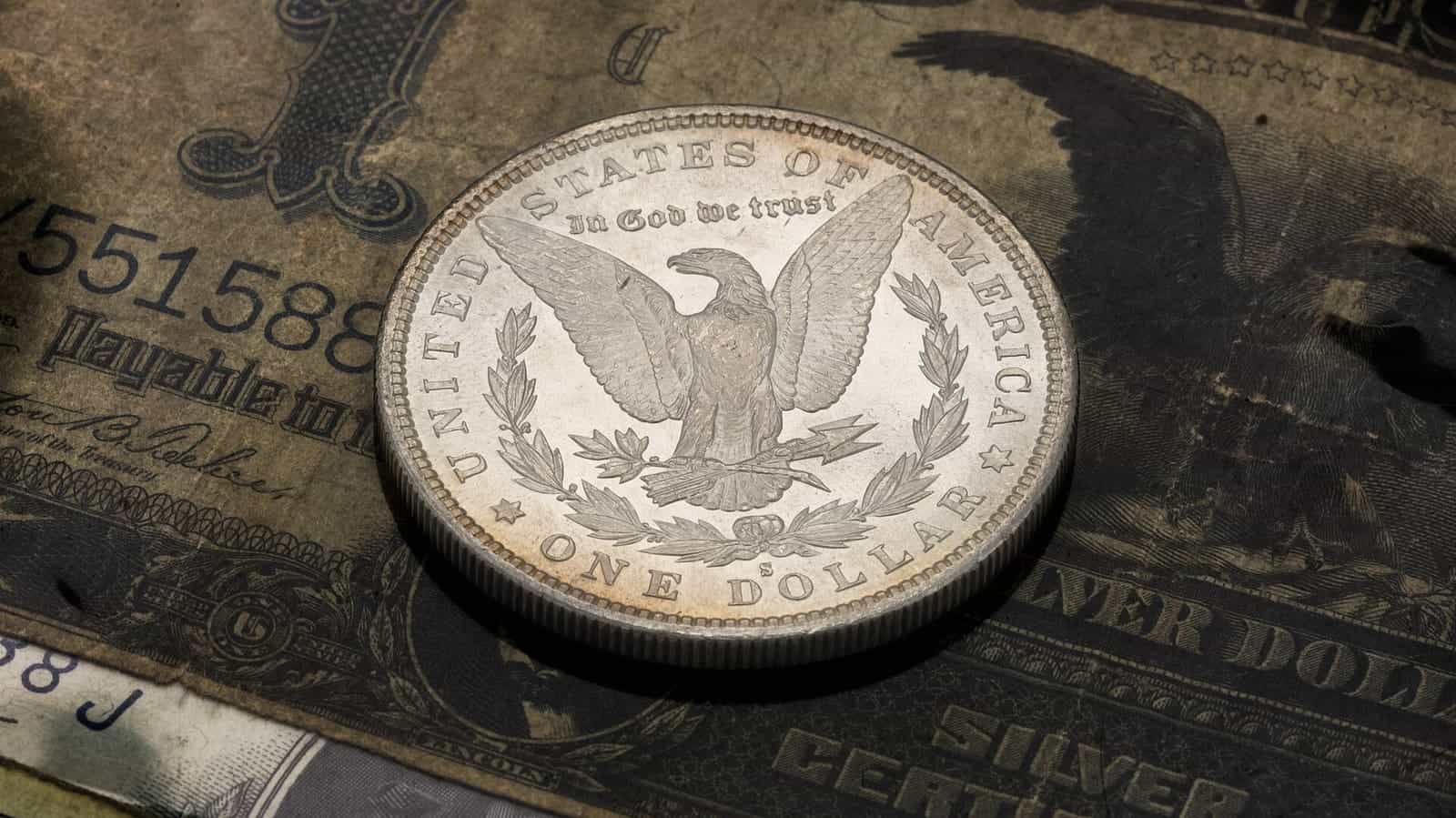
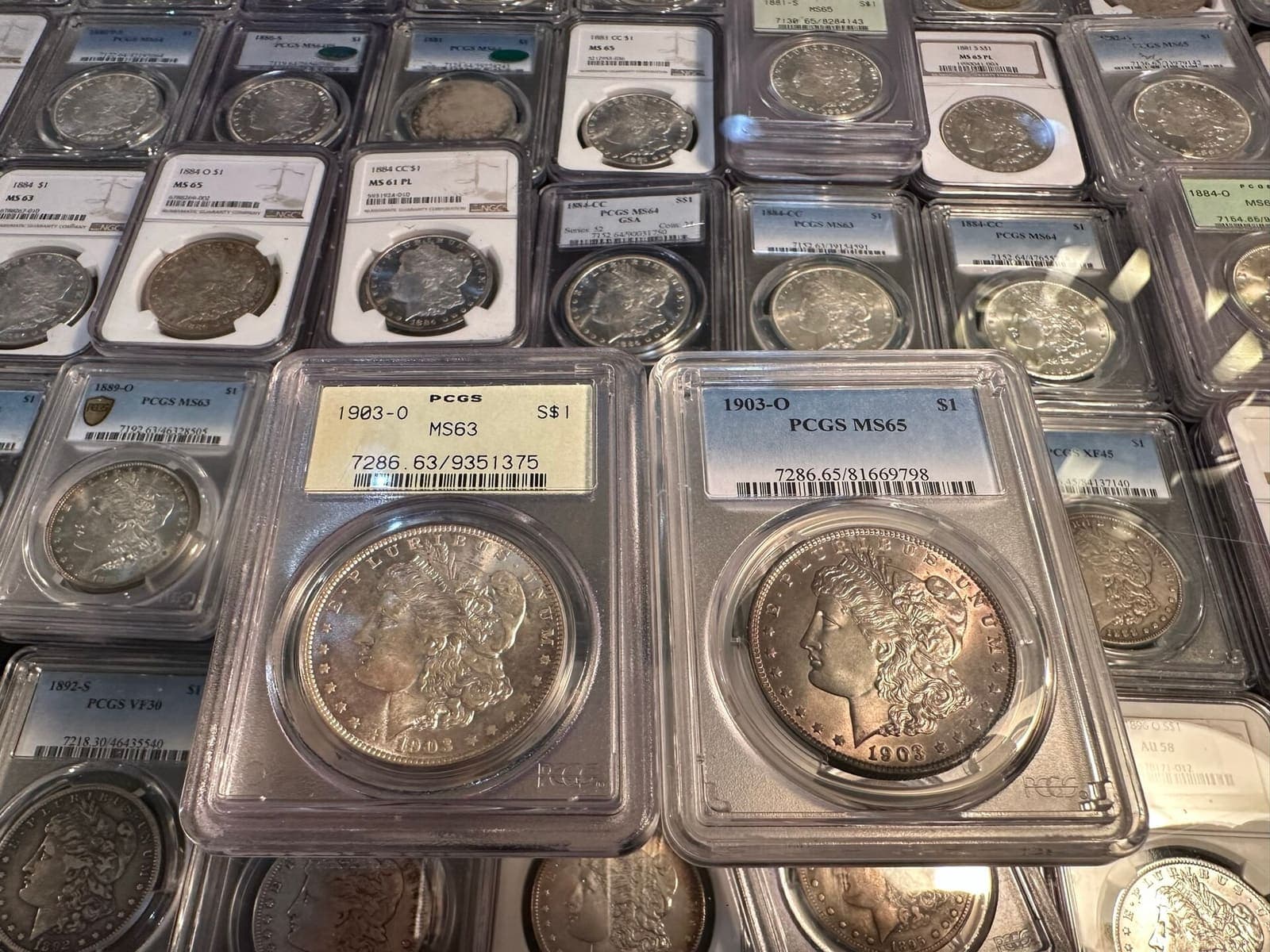
Morgan dollars, key-date cents and certified slabs — the backbone of American numismatics.
Photo: Anemonemma, Generalissima, 3df / CC BY-SA 4.0
Collecting US coins: what to know before you buy
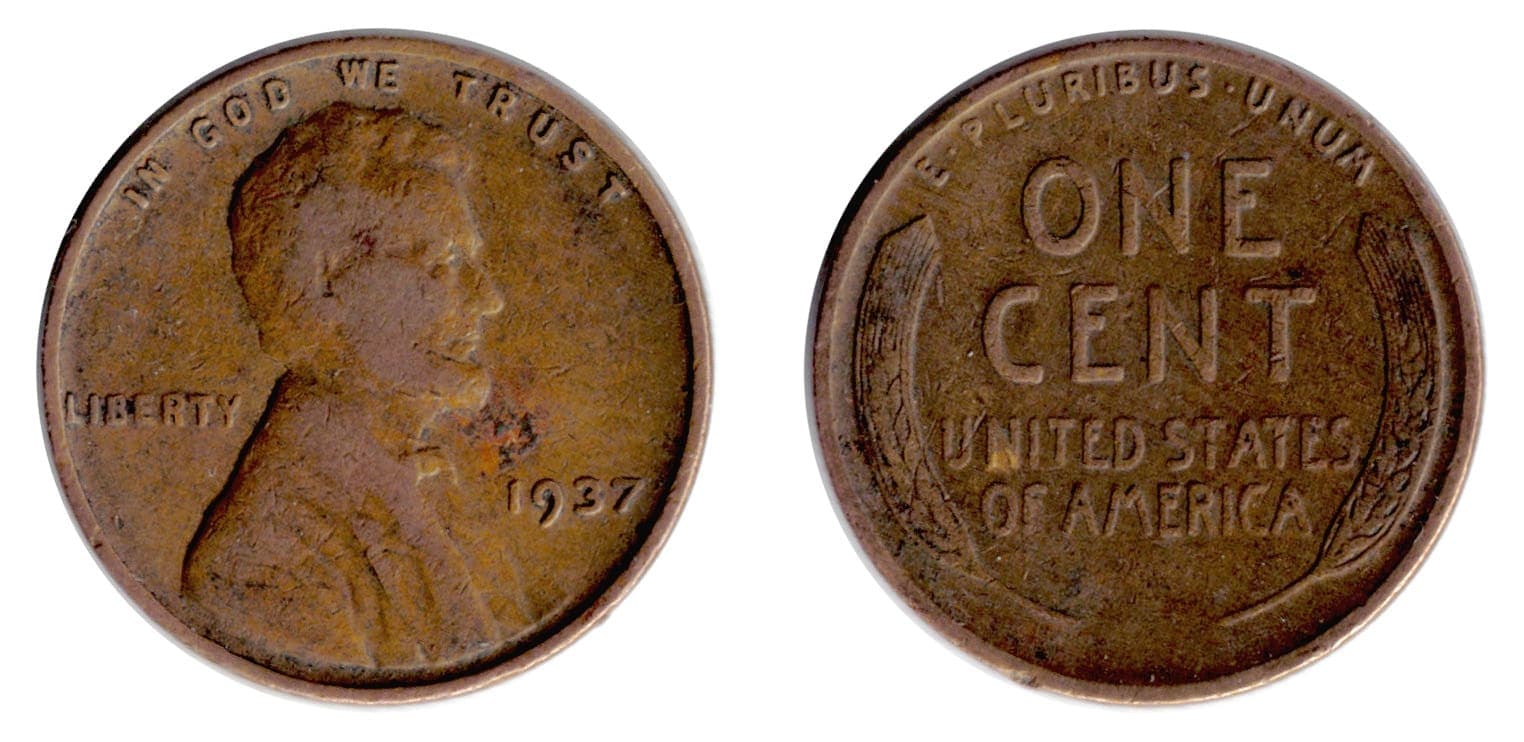
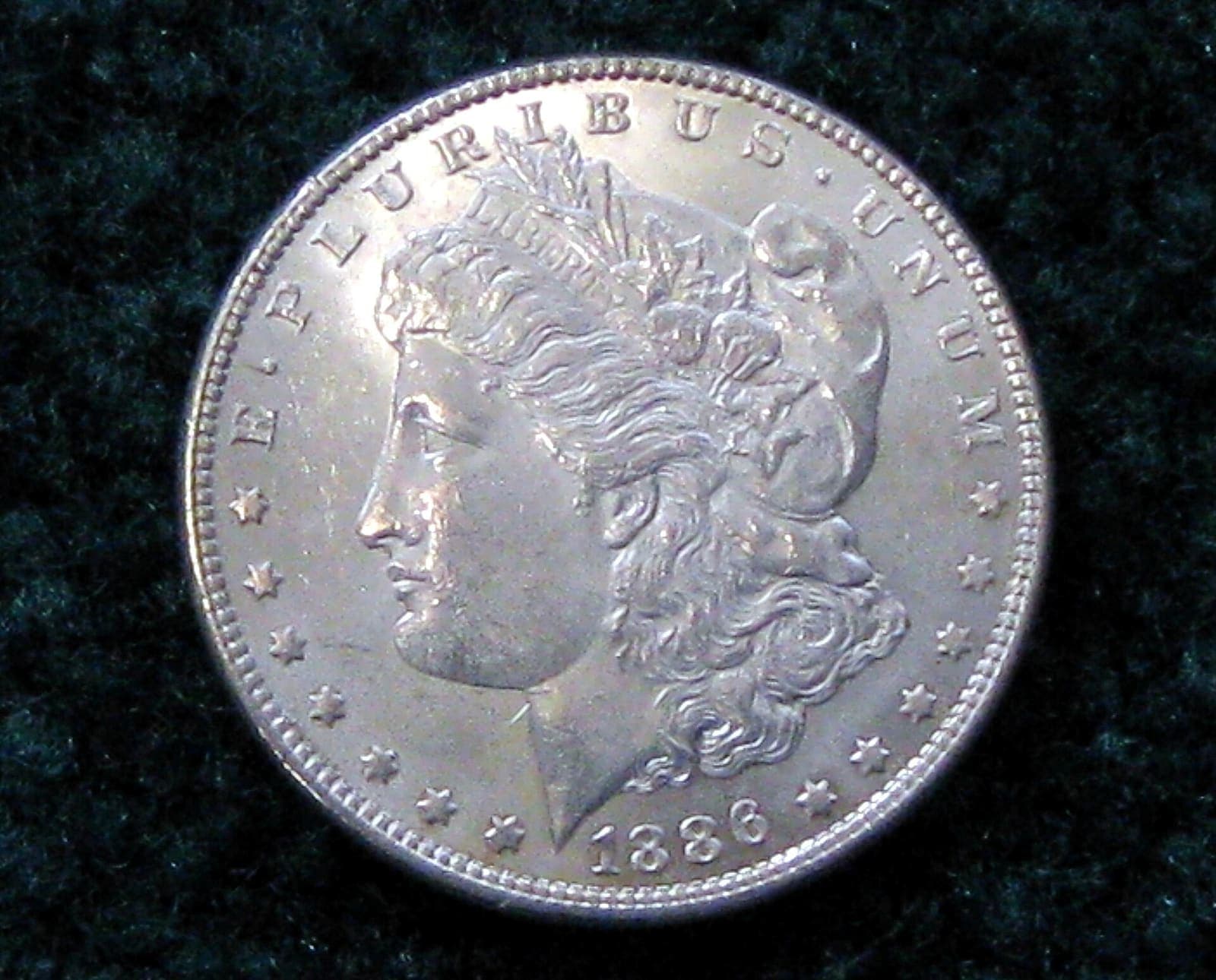
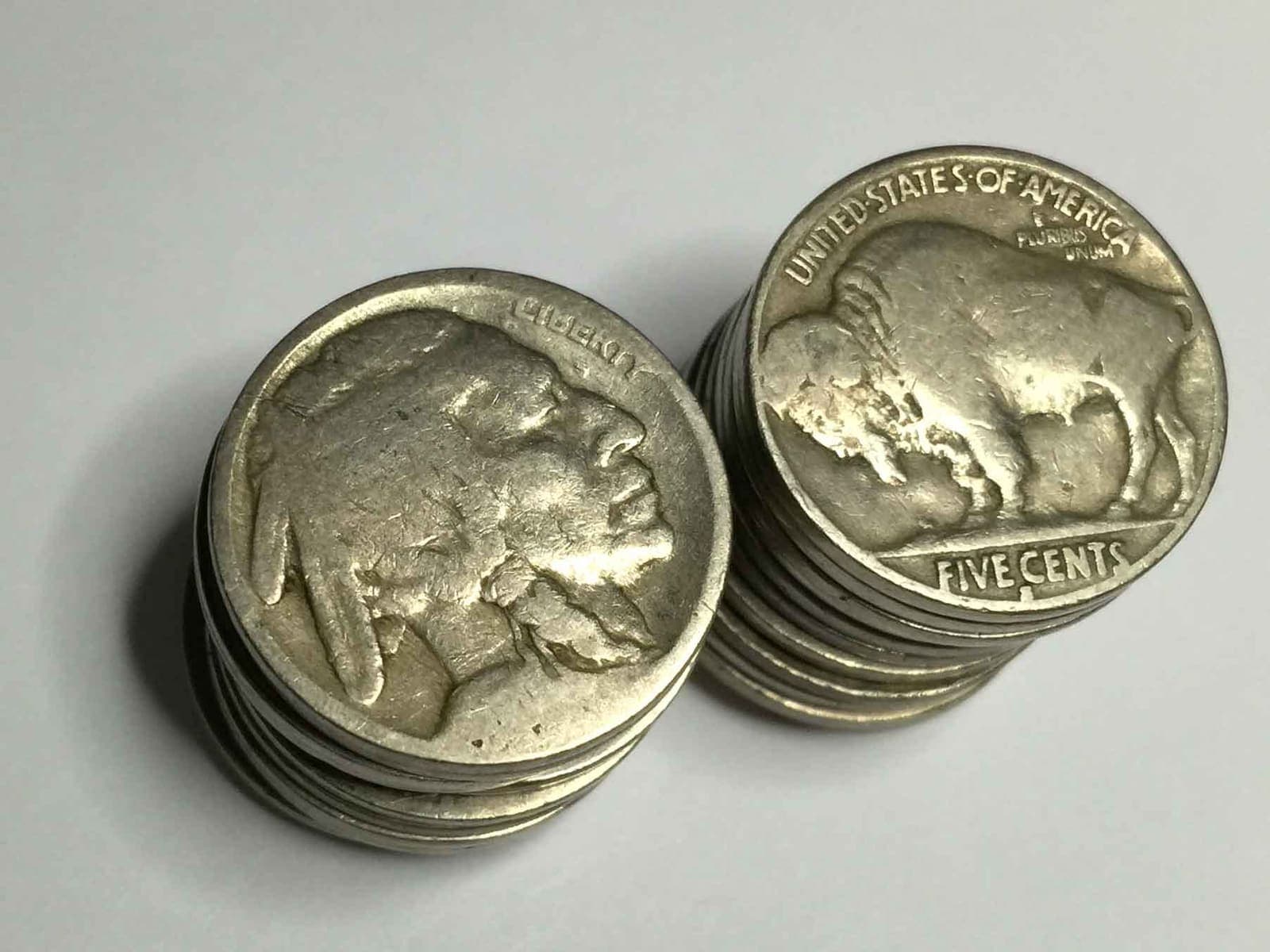
US coins are the heart of American collecting, and the field is wide enough for every budget. You'll find everything here from circulated Morgan and Peace dollars and pre-1965 “junk silver” to key-date Lincoln cents, Buffalo nickels and certified coins sealed in slabs. Some buyers chase a complete date-and-mint set, others simply want a few beautiful coins with real history behind them.
What makes a US coin worth money comes down to a handful of factors: date and mintmark, how many were struck, how many survive, and above all condition. Grades follow the 1–70 Sheldon scale, and a single step up can change the value dramatically. Originality matters too — a coin that has been cleaned, polished or whizzed loses much of its appeal, even if the details look sharp. And counterfeits are a real problem, especially with Morgan dollars and popular key dates, so learning how to tell if a coin is real is one of the best habits you can build.
Buying online is safest when you match the coin exactly, study sharp photos of both sides, and check what similar coins have actually sold for rather than what sellers are asking. For expensive pieces, coins graded by PCGS or NGC add a layer of protection, and it’s worth verifying the certification number on the grader’s website. The guides below cover spotting fake Morgans, key dates, cleaned coins, grading and melt value, and you can browse live listings from eBay once you know what you’re looking for.
US Coins guides
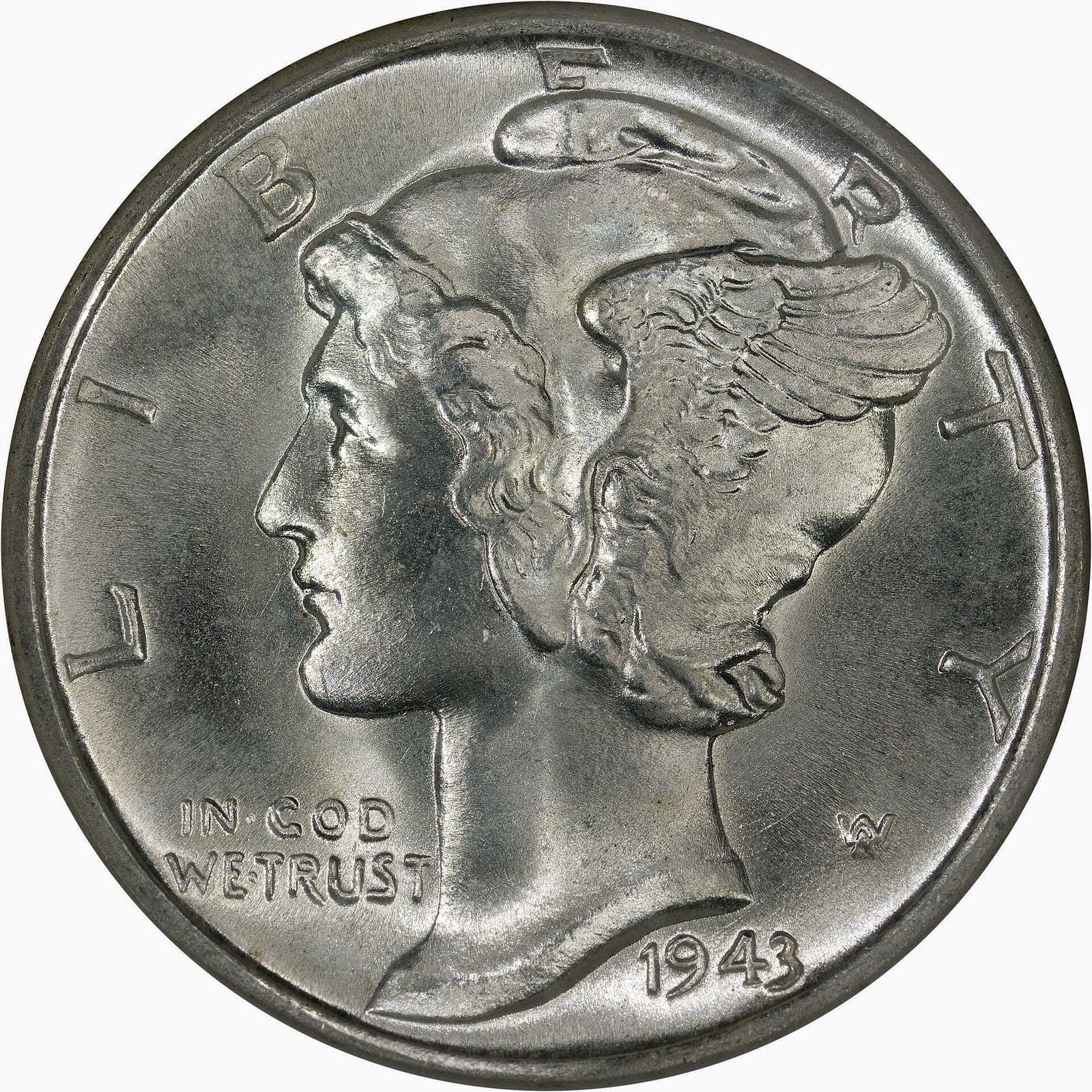
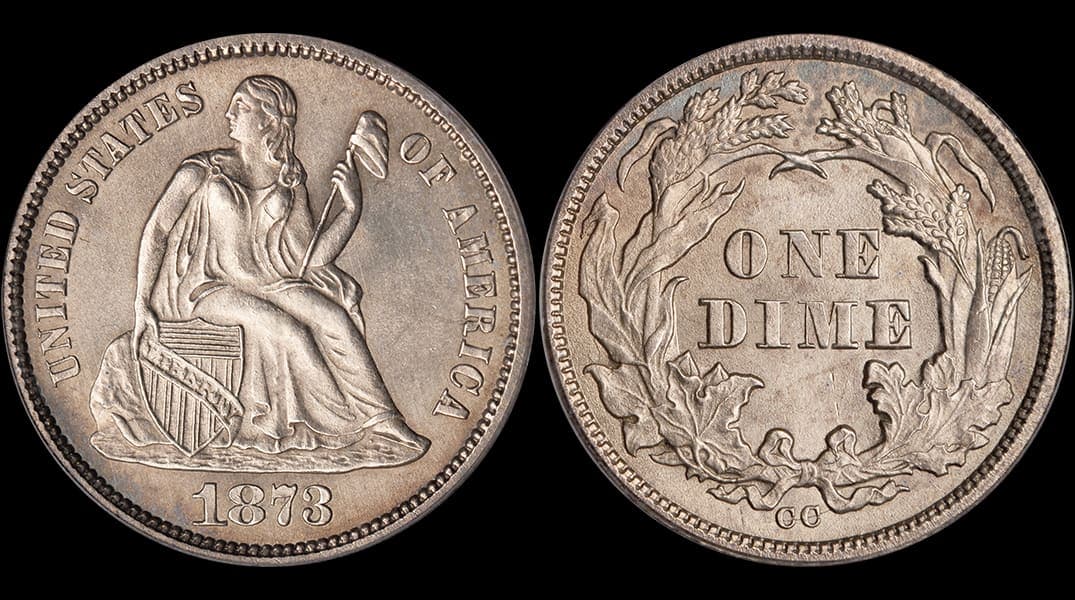
The story behind it
US Coins: common questions
What US coins are worth money?+
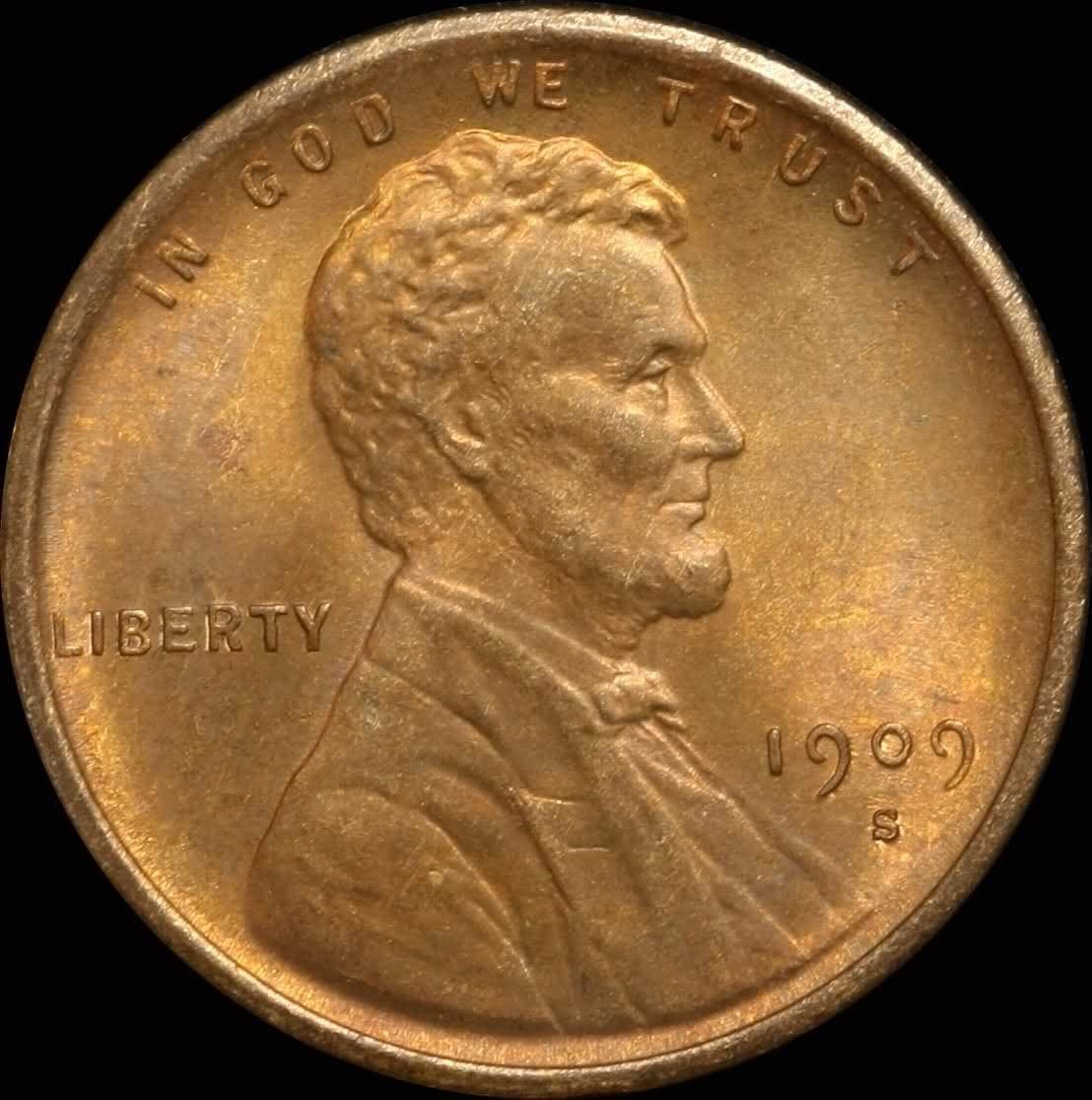
Coins with low mintages, key dates, error features or high grades tend to carry the biggest premiums. Well-known examples include the 1909-S VDB Lincoln cent and certain Morgan dollar dates. Pre-1965 dimes, quarters and half dollars are also worth more than face value because they contain 90% silver. For most other coins, condition decides whether a coin is worth a premium at all.
How can you tell if a coin is real or fake?+
Start with weight and diameter, since many fakes are slightly off on both. Compare the date, mintmark position and design details against a verified example, and look for soft, mushy details or odd surfaces. A magnet can reveal some fakes, because silver isn’t magnetic. For valuable coins, the safest choice is buying one already certified by PCGS or NGC.
Should I clean my old coins?+
No. Cleaning almost always lowers a coin’s value, sometimes drastically. Even gentle rubbing leaves fine hairline scratches, and chemical dips strip the natural surface that collectors prize. Grading services often label cleaned coins as having “details” grades, which sell at a discount. If a coin is dirty, store it safely as it is and let an experienced dealer or grader advise you.