How Coin Grading Works: A Plain-English Guide to the Sheldon Scale
What MS-65, VF-20 and details grades really mean, how strike, luster and eye appeal shape a grade, and why the grading service on the slab matters when you buy.
By The Grail Hunt · August 8, 2026 · 4 min read
This guide contains eBay affiliate links. If you buy through them we may earn a commission, at no extra cost to you. Read our affiliate disclosure.
Two coins with the same date and mint mark can differ enormously in value, and the difference usually comes down to grade. If you buy coins online, understanding grading is the most useful skill you can build — it tells you what you're looking at and when a listing is overselling a coin.
1. The 1–70 Sheldon scale
Modern U.S. coin grading is built on a numeric scale introduced by Dr. William Sheldon in the mid-20th century. It runs from 1 to 70, with each range tied to a descriptive term:
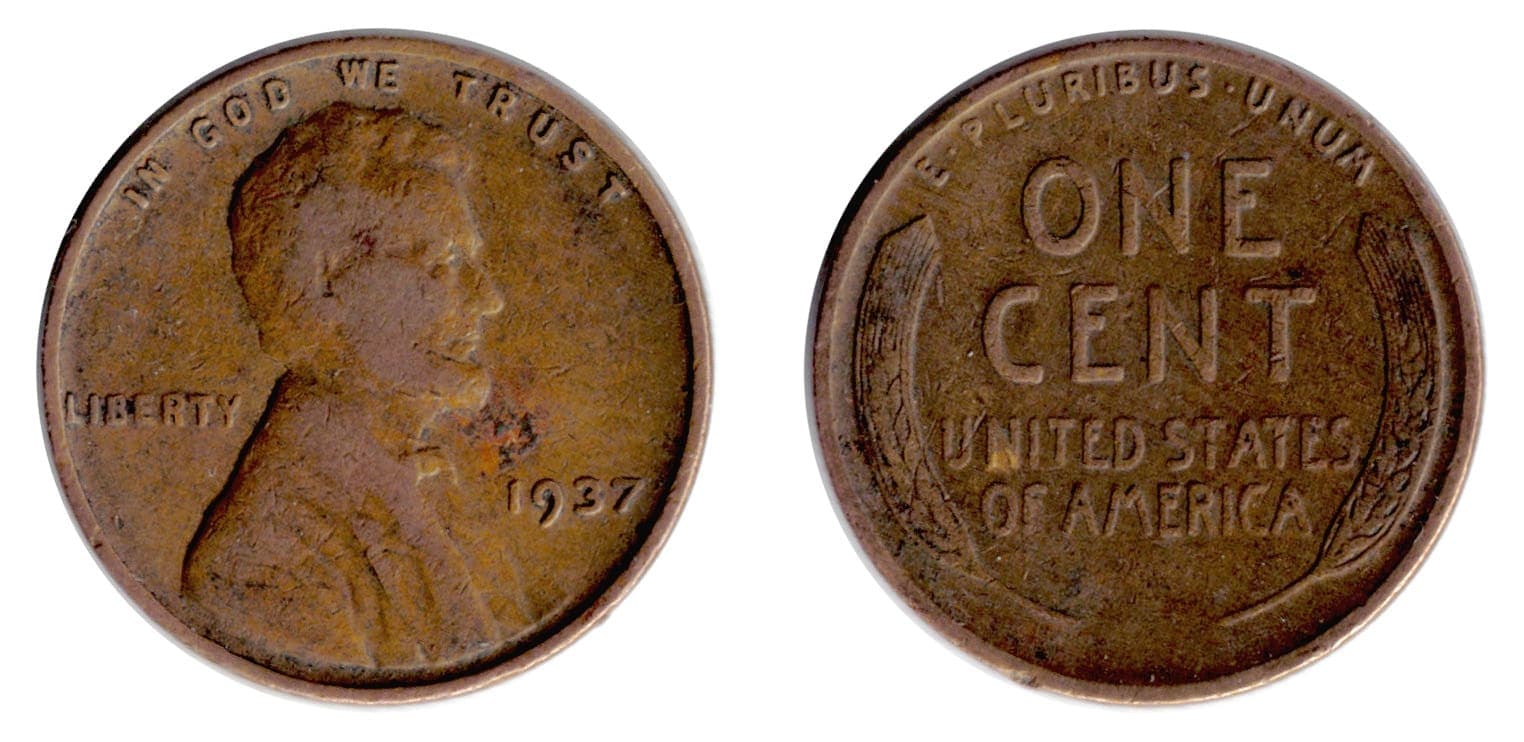
- Poor (P-1) to About Good (AG-3) — Heavily worn; the date may be barely readable.
- Good (G-4, G-6) — Major design outlines visible, rims mostly intact, most detail gone.
- Very Good (VG-8, VG-10) — A bit more detail, with some interior design showing.
- Fine (F-12, F-15) — Moderate, even wear with major elements clear.
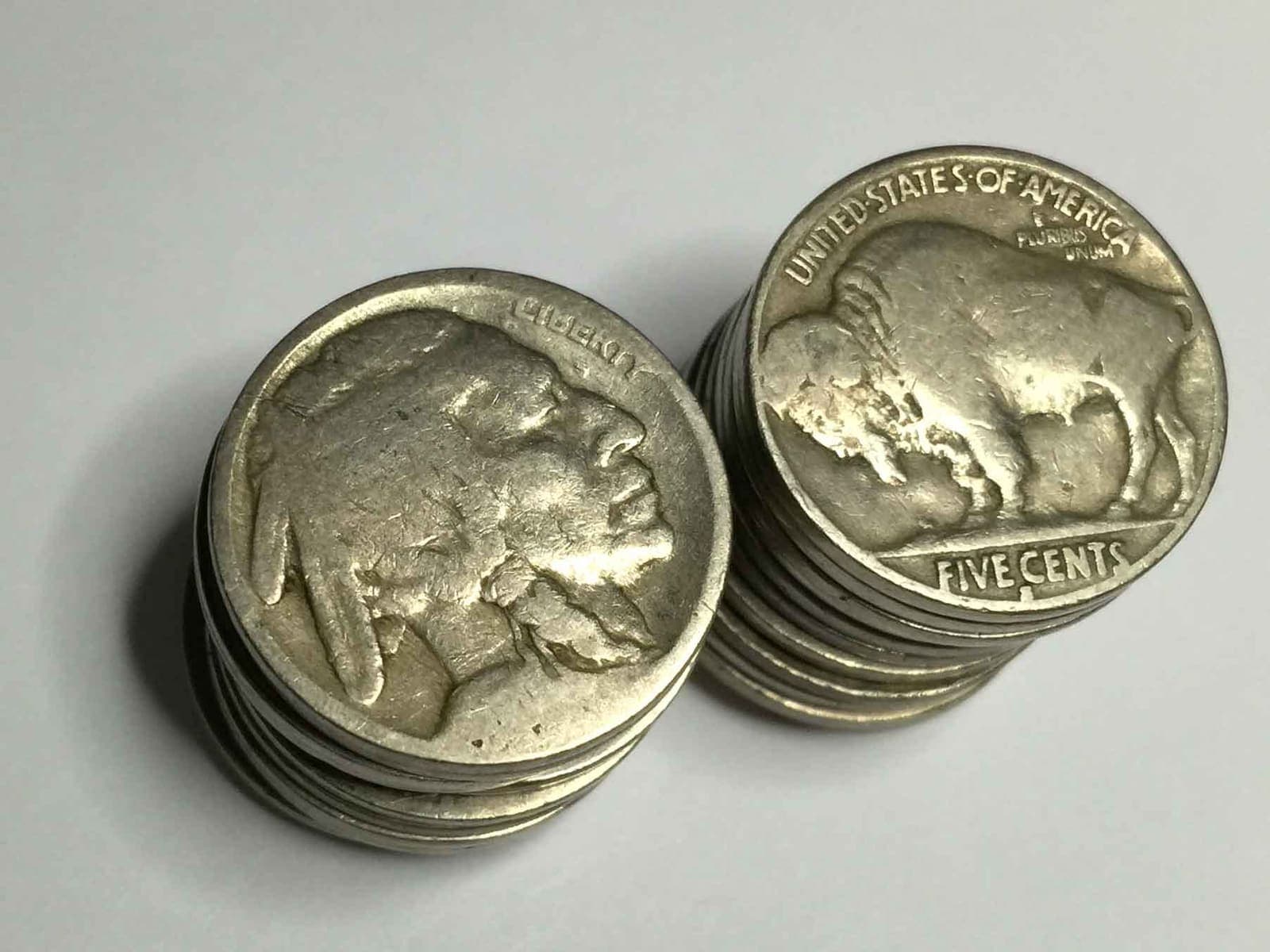
- Very Fine (VF-20 to VF-35) — Light to moderate wear on the high points; good detail throughout.
- Extremely Fine (EF/XF-40, 45) — Light wear on the highest points only.
- About Uncirculated (AU-50 to AU-58) — Just a trace of wear on the high points.
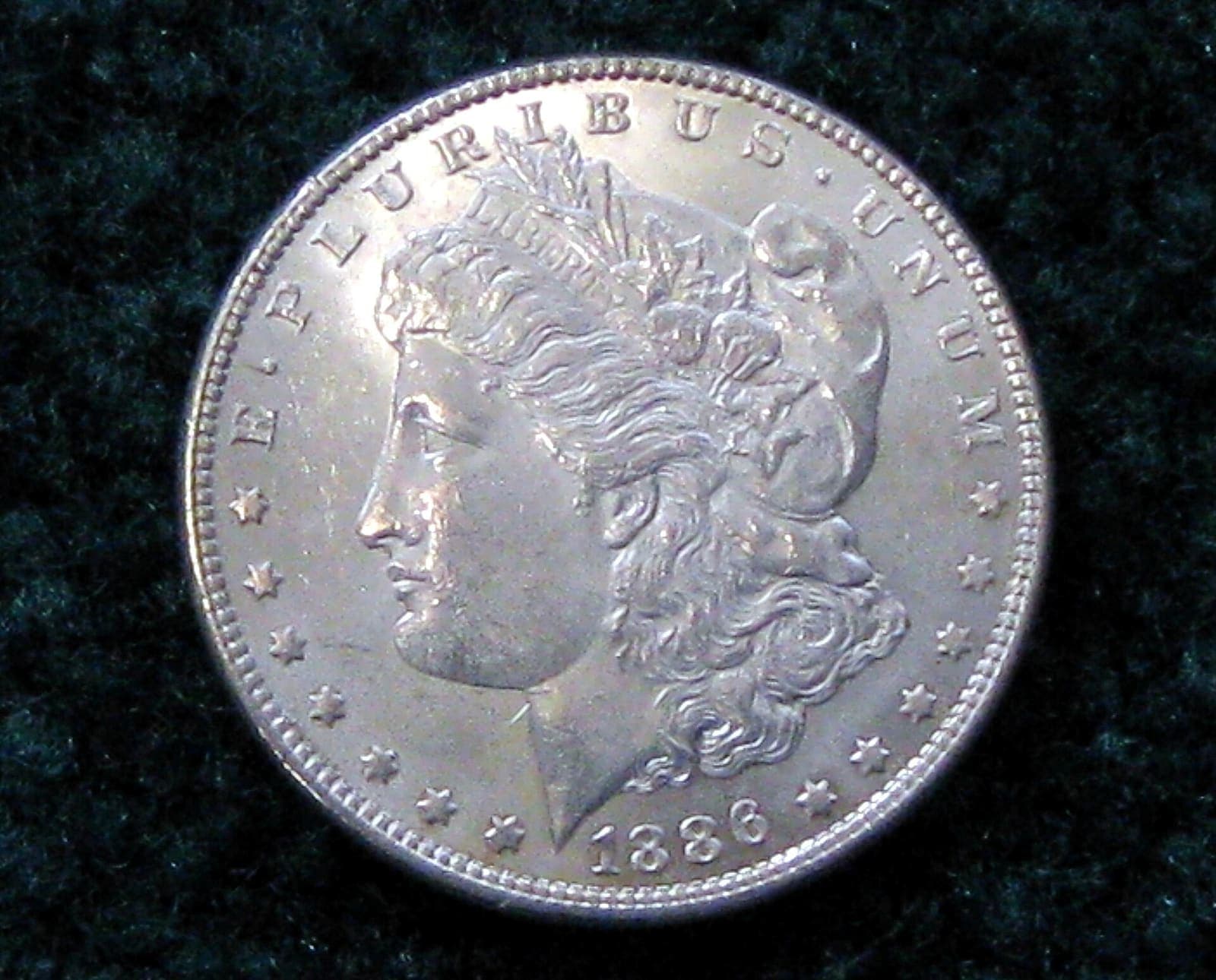
- Mint State (MS-60 to MS-70) — No wear at all. Grades within this range depend on marks, luster and overall quality.
Proof coins, which are specially struck for collectors, use the same numbers with a PR or PF prefix.
2. Circulated vs mint state
The dividing line that matters most is wear. Any coin from 1 through 58 shows wear from circulation, however slight. From 60 up, the coin has never been worn — but that doesn't mean it's perfect. An MS-60 can be covered in bag marks and dull, while an MS-67 is nearly flawless. The jump in value between mint-state grades can be dramatic, especially for common dates where high-grade survivors are scarce.
The trickiest zone is AU-58 vs MS-62. A lightly circulated coin with great eye appeal can look better than a baggy mint-state coin, and sellers sometimes blur that line. Tilt the coin (or ask for a tilted photo) and look for rub on the highest points.
3. Strike, luster and eye appeal
Within a grade, three factors separate good coins from great ones:
- Strike — How fully the design was brought up when the coin was made. Weak strikes leave soft details that can look like wear.
- Luster — The way light flows across an original surface, often a rotating "cartwheel" effect. Cleaning destroys it.
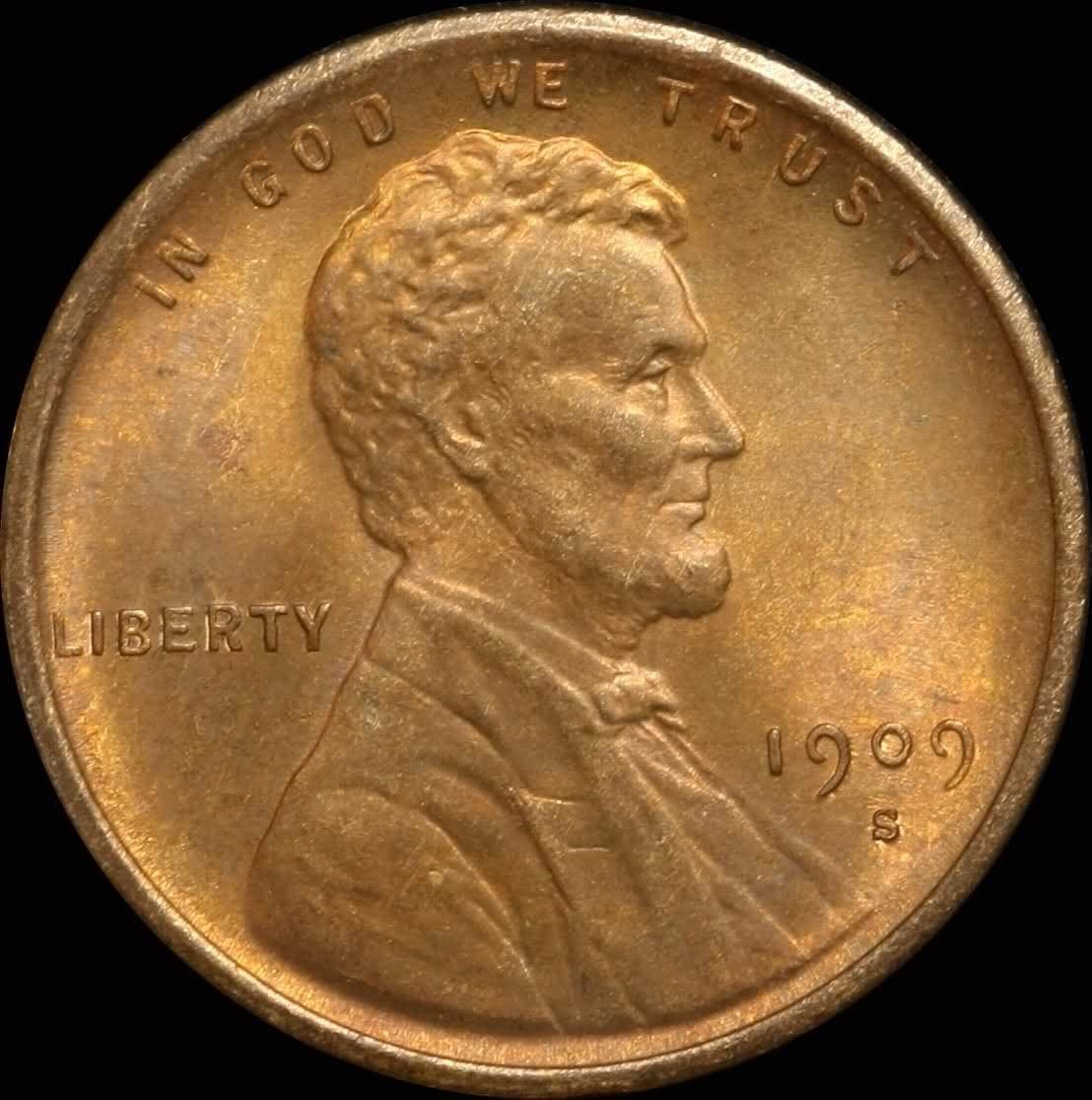
- Eye appeal — The overall impression, including toning, color and how distracting any marks are.
Two coins graded MS-64 can trade at very different prices because one simply looks better.
Grail Hunt tip: Ask for a short video of the coin being tilted under a single light. Photos can hide dull luster, hairlines and rub; motion reveals them.
4. Third-party grading: PCGS and NGC
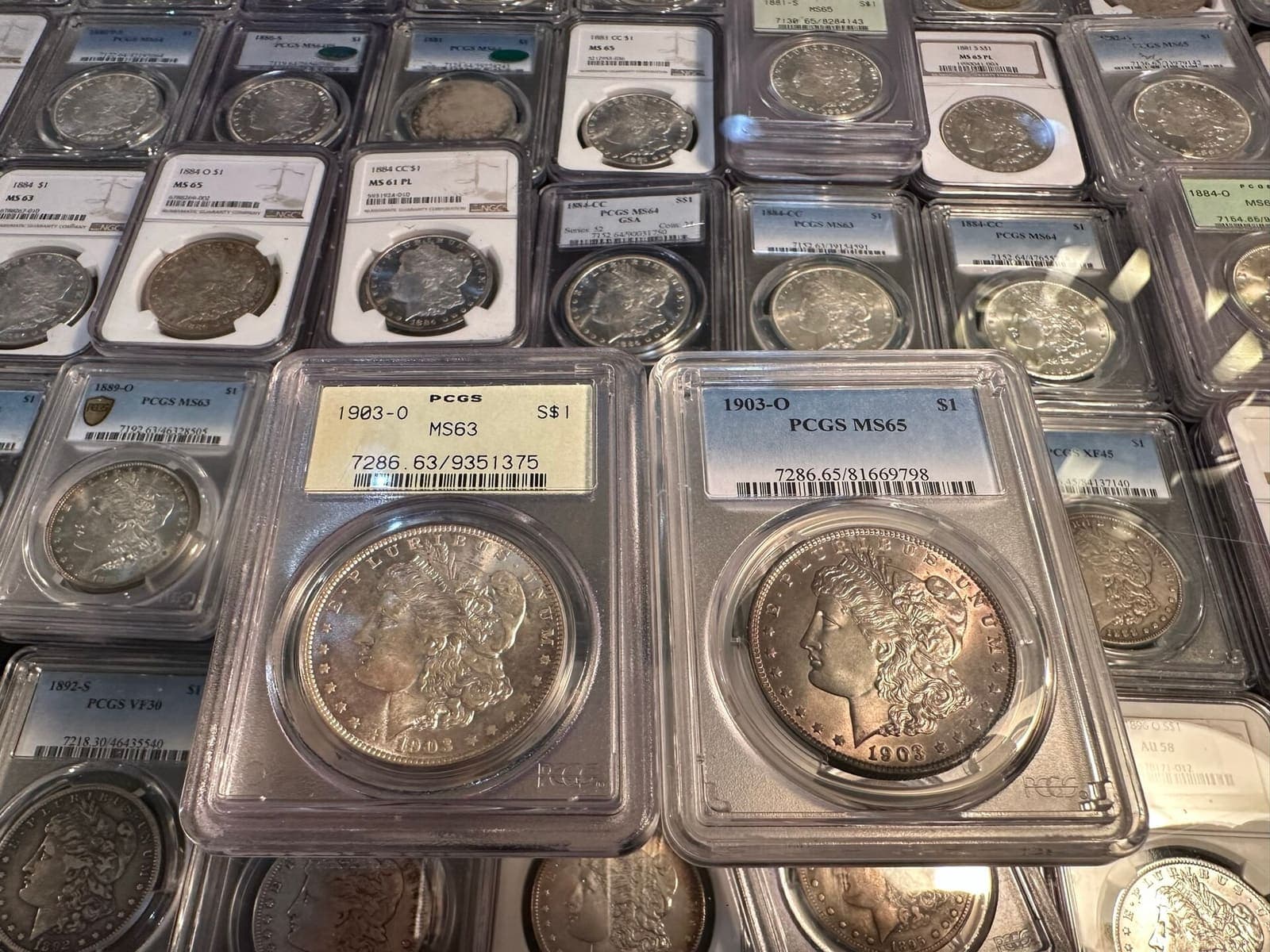
Independent services grade coins, confirm authenticity and seal them in tamper-evident holders called slabs. The two most widely recognized are PCGS and NGC, and coins in their holders generally trade with the most confidence. Other services exist, and their standards vary. Some collectors also look for a CAC sticker on a PCGS or NGC slab, which indicates that CAC judged the coin to be solid for its assigned grade.
Always verify the certification number on the grader's website and make sure the coin, date and grade match. Counterfeit slabs are a real problem.
5. What a details grade means
If a coin is genuine but has a problem — cleaning, damage, scratches, environmental corrosion or tooling — the major services won't give it a straight numeric grade. Instead it gets a details grade, such as "XF Details — Cleaned." That tells you the coin shows the detail of an XF but carries a problem that lowers its value. Details coins can be an affordable way to own a key date, but should be priced accordingly.
6. Buying graded coins online
- Judge the coin, not just the number on the label
- Compare the listing against certified examples in the same grade
- Be wary of raw coins described with precise grades like "MS-65" — that's the seller's opinion, not a certification
- Buy through platforms with buyer protection and check seller feedback on similar items
The bottom line
Grading is a shared language. Learn the Sheldon ranges, understand the difference between wear and quality, and pay attention to strike, luster and eye appeal. For anything valuable, rely on a respected third-party grade — and then use your own eyes to make sure the coin deserves it.
The story behind it
More US Coins guides