Lincoln Cent Key Dates Every Pocket-Change Hunter Should Know
The 1909-S VDB, the 1955 doubled die and the famous 1943 copper — which Lincoln cents are worth real money, and how the fakes are made.
By The Grail Hunt · September 22, 2026 · 6 min read
This guide contains eBay affiliate links. If you buy through them we may earn a commission, at no extra cost to you. Read our affiliate disclosure.
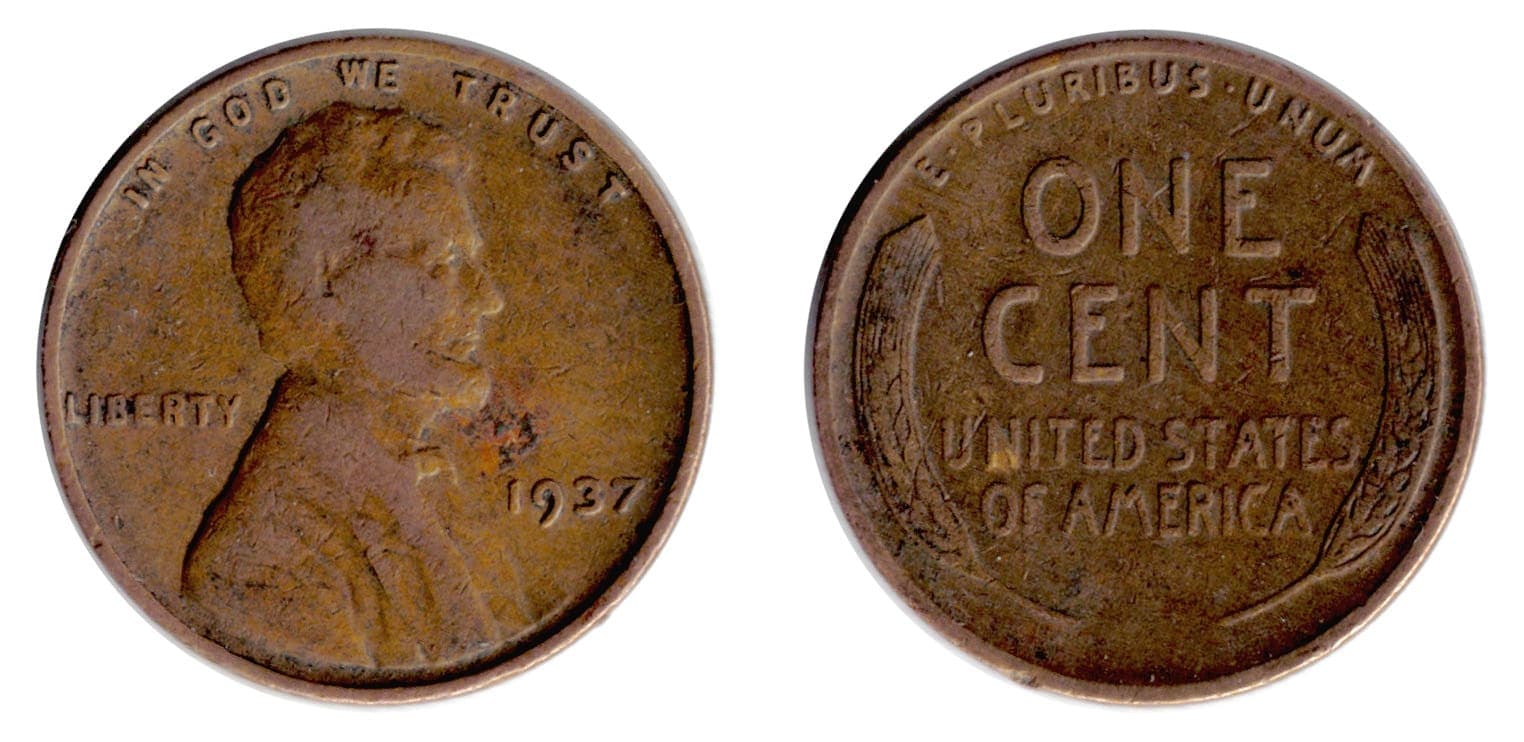
The Lincoln cent has been struck since 1909, and billions of them have passed through American hands. Most are worth exactly one cent. A small handful are worth hundreds or thousands of dollars — and because they're so famous, they're also the most faked coins in the series.
The big names
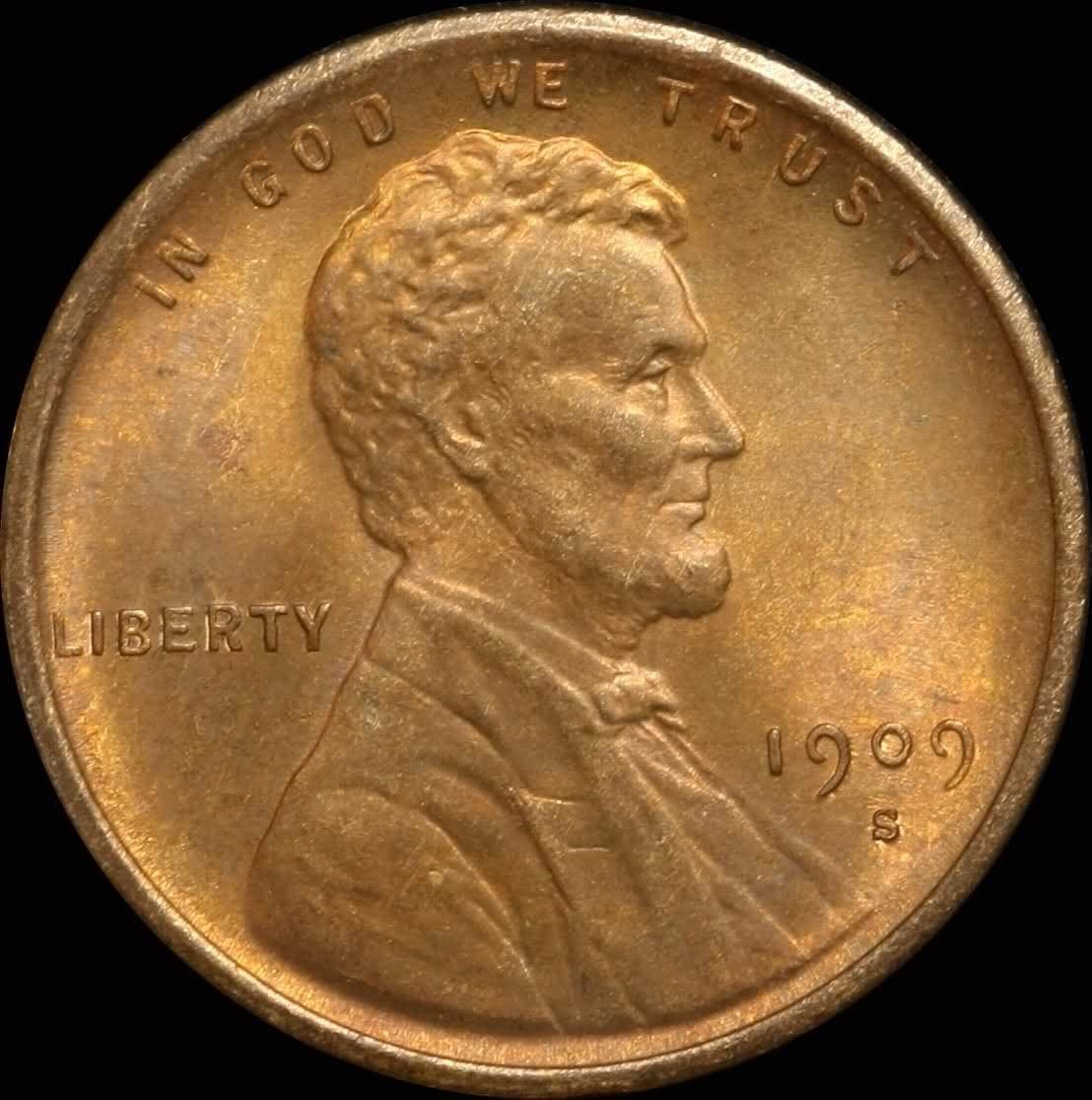
- 1909-S VDB — The first year of issue, struck in San Francisco with the designer Victor David Brenner's initials on the reverse. Only 484,000 were minted, making it the classic Lincoln grail.
- 1909-S (no VDB) — The same year and mint after the initials were removed. Far more were struck than the VDB version, but it's still a semi-key that commands a solid premium.
- 1914-D — A low-mintage Denver coin, about 1.2 million struck, that's scarce in any condition.
- 1922 "No D" — All 1922 cents were struck in Denver, but worn dies left some with no visible mint mark. The "strong reverse" variety is the one collectors pay up for.
- 1931-S — Another low-mintage San Francisco date, often saved at the time, so it turns up in nicer grades.
- 1955 Doubled Die Obverse — Dramatic doubling on the date and lettering, visible without magnification.
- 1943 copper — In 1943 cents were struck in zinc-coated steel to save copper for the war. A tiny number were accidentally struck on leftover bronze planchets and are among the most valuable error coins in the world.
What drives value
Three things set the price of a key-date Lincoln: date and mint mark, grade and color.
The date and mint mark decide whether you're in key-date territory at all. Grade then decides where in the price range a coin lands. Circulated keys climb steadily from Good to Extremely Fine, and the jump into Mint State can be large. If the grading terms are new to you, our plain-English guide to the Sheldon scale explains what G-4, VF-20 and MS-63 actually mean.
For uncirculated coins, color matters almost as much as the number. Copper cents are designated:
- RD (Red) — Mostly original mint-red color. The most valuable.
- RB (Red-Brown) — A mix of red and brown toning. The middle ground.
- BN (Brown) — Fully toned brown. The least expensive at a given grade.
A Red coin can be worth several times a Brown coin of the same grade, which is exactly why some sellers try to brighten old copper. More on that below.
Grading circulated Lincolns
Most buyers of the big keys are shopping in circulated grades, and a few areas tell you most of what you need to know:
- Lincoln's cheek and jaw — The first high points to wear. Smooth, flat cheeks point to a lower grade.
- The wheat stalks on the reverse — On a Very Fine coin, the lines in the wheat ears should be partly visible. On a Good coin the stalks are largely worn flat.
- The date and mint mark — On a key date, both must be clear. A weak or mushy mint mark is a reason to slow down, not to bid faster.
Look for even wear. A coin that is worn flat everywhere except a crisp, sharp date or mint mark is telling you something has been added or changed.
How the fakes are made
Key-date Lincolns are faked in a few predictable ways:
- Added mint marks. A common 1909 VDB (Philadelphia, no mint mark) has an "S" glued or soldered on. Look for a mint mark that sits at an odd angle, has a seam around it, or doesn't match genuine examples.
- Altered dates. A 1944-D can be tooled to look like a 1914-D, and a 1948 can be altered into a "1943". Examine the shape of every digit against reference photos.
- Plated steel "coppers". Many "1943 copper" cents are simply steel cents plated in copper. A magnet settles it instantly — steel sticks, a genuine bronze 1943 does not.
- Die-struck counterfeits. Some fakes are struck from entirely new, false dies. These can look convincing in photos, and they're the main reason the expensive keys should be bought certified.
A few quick diagnostics catch many alterations:
- The VDB on the shoulder. Brenner's initials returned to the cent in 1918, this time on Lincoln's shoulder. A genuine 1914-D has no initials on the shoulder, so a "1914-D" that shows them is an altered later coin, usually a 1944-D.
- Weight. A bronze cent of this era weighs about 3.1 grams, while a 1943 steel cent weighs about 2.7 grams. A "1943 copper" that weighs like a steel cent isn't copper.
- Doubling that looks flat or shelf-like. On the 1955 doubled die, the second image is rounded and clearly raised. Flat, shelf-like doubling usually comes from machine doubling during striking, which is common and adds little or no value.
Grail Hunt tip: For any Lincoln key date priced as a key date, insist on a coin graded by PCGS, NGC or ANACS — and verify the certification number yourself on the grader's website.
Cleaned, recolored and damaged coins
Original copper is hard to fake once you've seen enough of it. Common problems include:
- Harsh cleaning — Leaves an unnatural bright or pinkish surface and fine parallel hairlines in the fields.
- Recoloring — An old brown coin chemically brightened to look Red or Red-Brown. The color often looks too uniform or slightly orange, and the luster doesn't match.
- Artificial toning — Dark, even chocolate brown applied to hide cleaning.
- Corrosion and pitting — Green or black spots that eat into the surface.
Grading services label these coins with a "Details" grade, and they sell at a substantial discount. Our guide on how to tell if a coin has been cleaned walks through the signs in detail.
What about circulated coins?
You don't need a mint-state coin to own a key date. Many collectors happily buy a well-worn 1909-S VDB or 1914-D with honest wear. What matters is that the coin is genuine and original, with wear that matches its grade.
Questions to ask a seller
Before you bid on a raw (ungraded) key date, ask:
- Can you send sharp, well-lit photos of both sides, plus close-ups of the date and mint mark?
- Has the coin ever been cleaned, dipped or treated?
- What does it weigh? (Especially for any "1943 copper".)
- Do you accept returns if the coin fails to grade or comes back as not genuine?
- For a certified coin: what is the certification number?
A seller who can't or won't answer these is giving you an answer anyway.
Red flags in listings
- Stock photos or images that look borrowed from another listing
- A key date at a fraction of the going rate, often with "no reserve" and no returns
- A raw coin described as "MS" or "Red" with no supporting photos
- Phrases like "found in grandpa's collection, not sure if real"
- Holders from little-known grading companies, or a cert number that doesn't verify
- Listings shipped from overseas offering several of the same key date at once
Quick buyer's checklist
- Date, mint mark and variety confirmed against certified examples
- No initials on the shoulder of a "1914-D"
- Magnet test passed for any "1943 copper"
- Wear is even, with no sharp details sitting on a worn coin
- Color looks natural for the stated designation
- Certification number checked on the grader's site
- Return policy and buyer protection in place
The bottom line
Know the handful of key dates, learn the common tricks (added mint marks, altered dates and plated steel), and keep a magnet in your coin kit. Buy the expensive ones certified, and enjoy the hunt through rolls and pocket change for everything else.
The story behind it
More US Coins guides