Junk Silver Explained: Pre-1965 Coins, 40% Halves and War Nickels
What counts as junk silver, how much silver is really inside 90% and 40% coins and war nickels, and how to buy circulated silver online without getting burned.
By The Grail Hunt · August 7, 2026 · 3 min read
This guide contains eBay affiliate links. If you buy through them we may earn a commission, at no extra cost to you. Read our affiliate disclosure.
"Junk silver" sounds like an insult, but it's one of the most popular corners of the hobby. The term describes circulated U.S. coins that are worth more for their silver than for any collector premium. They're easy to recognize, easy to divide into small amounts, and a great way to learn how precious-metal value works. Here's what to know before you buy.
1. The 90% silver coins
Until 1965, U.S. dimes, quarters and half dollars were struck in 90% silver and 10% copper. That includes:
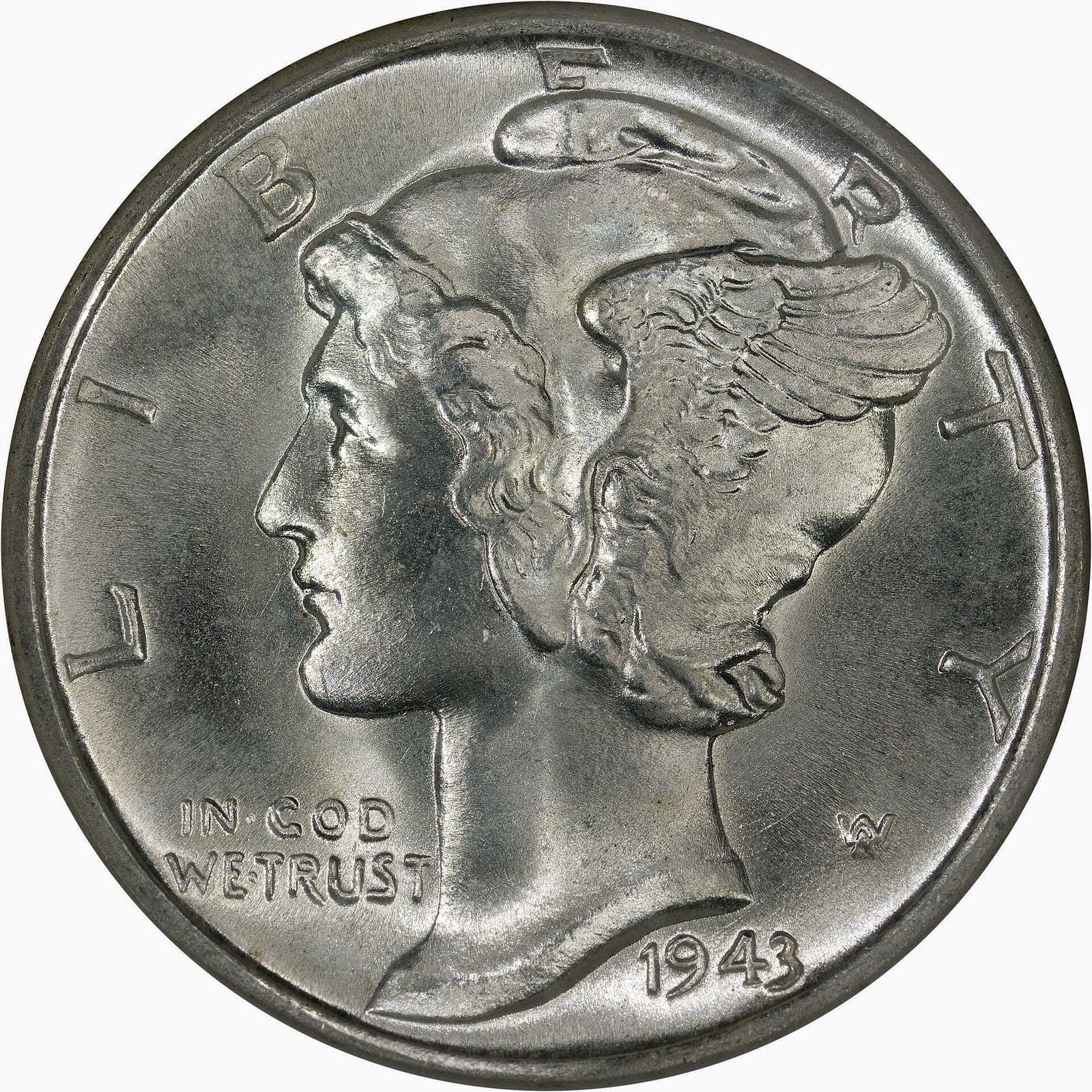
- Mercury and Roosevelt dimes dated 1964 and earlier
- Washington quarters dated 1964 and earlier
- Walking Liberty, Franklin and 1964 Kennedy half dollars
- Older types like Barber coins, often sold in the same lots
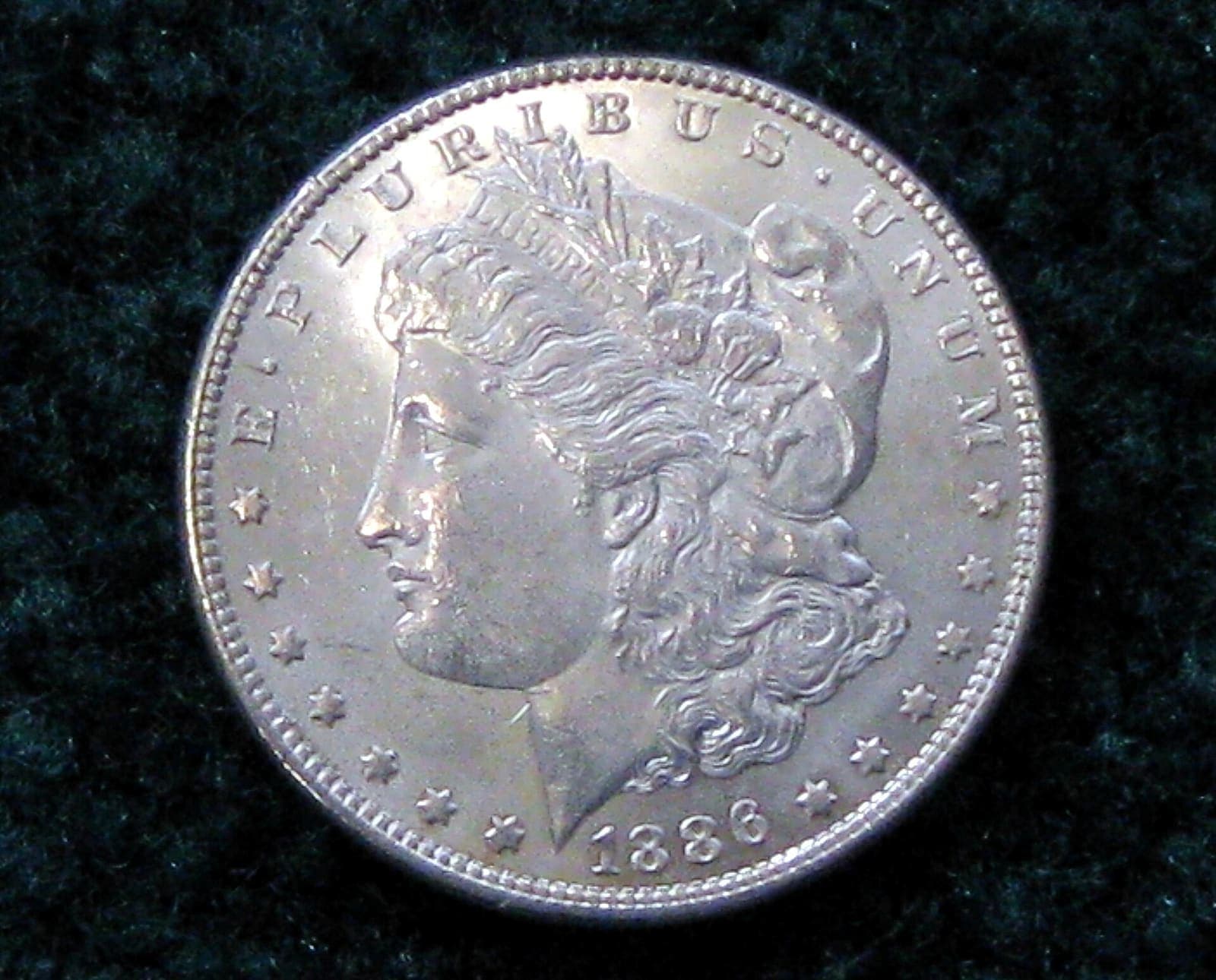
Silver dollars such as Morgans and Peace dollars are also 90% silver, but they usually carry collector premiums and are sold separately.
Junk silver is typically sold by face value — for example, "$10 face of 90%." A convenient rule of thumb is that $1 face value of 90% dimes, quarters or halves contains roughly 0.715 troy ounces of silver after allowing for typical circulation wear.
2. 40% Kennedy halves (1965–1970)
When silver was removed from dimes and quarters in 1965, the half dollar kept some. Kennedy halves dated 1965 through 1970 were made with an outer layer bonded to a core so that the coin overall contains 40% silver. They hold much less silver than a 1964 half, so they're priced accordingly. Halves from 1971 onward, apart from special collector issues, contain no silver.
3. War nickels (1942–1945)
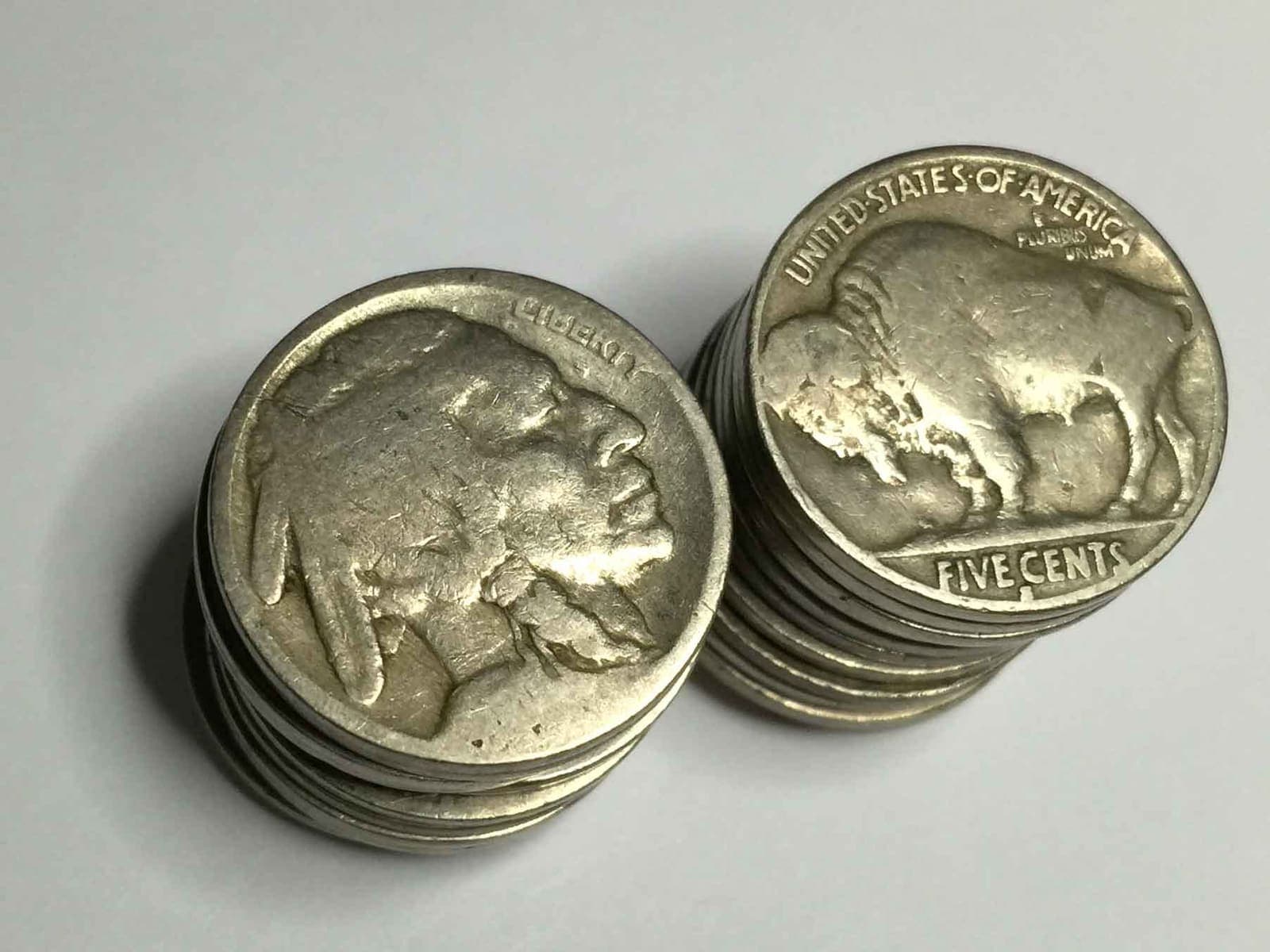
To save nickel for the war effort, the Mint changed the composition of the five-cent piece partway through 1942. These war nickels contain 35% silver, along with copper and manganese. They're easy to identify: a large mint mark above Monticello's dome on the reverse, including a "P" for Philadelphia — the first time that mint mark appeared on a U.S. coin. Some 1942 nickels were struck before the change and contain no silver, so check for the large mint mark.
Grail Hunt tip: Before you sell anything as junk, check the dates. A scarce date or a mint-state coin hiding in a bag of circulated silver can be worth far more to a collector than to a melter.
4. How melt value works
Melt value is simple in concept: silver content × current spot price. The spot price is the benchmark price for an ounce of silver and changes constantly. But you'll almost never buy junk silver at exactly melt:
- Dealers add a premium over spot to cover handling, shipping and demand
- Premiums rise and fall with market conditions — during periods of heavy demand they can widen considerably
- Selling usually means accepting less than spot, since buyers need a margin too
When comparing listings, work out the price per ounce of silver content rather than looking at the headline number. Factor in shipping, which can be significant on small lots.
5. Buying junk silver safely online
Counterfeits of common circulated silver are less common than fakes of high-value coins, but problems still happen. Watch for:
- Clad coins mixed in. Look at the edge: a copper stripe means the coin is clad and contains no silver (or, on 1965–1970 halves, only 40%).
- Cleaned or damaged coins — fine for melt, but not worth collector money.
- Vague descriptions like "silver coins" with no dates, face value or photos.
Before you bid, ask the seller:
- What is the total face value, and what denominations are included?
- Are all coins dated 1964 or earlier (or clearly identified if they're 40% or war nickels)?
- Can you post photos of both sides of the whole lot, spread out so dates are visible?
A small scale is your friend: once you know the standard weights, a lot that's significantly light deserves a closer look. Buy from sellers with strong feedback on bullion sales, and pay through the marketplace so you're covered by its buyer protection.
The bottom line
Junk silver is straightforward once you know the rules: pre-1965 dimes, quarters and halves are 90%, 1965–1970 Kennedys are 40%, and large-mint-mark war nickels are 35%. Price everything by its silver content, expect a premium over spot, and check every lot for clad coins and hidden collectibles.
More US Coins guides