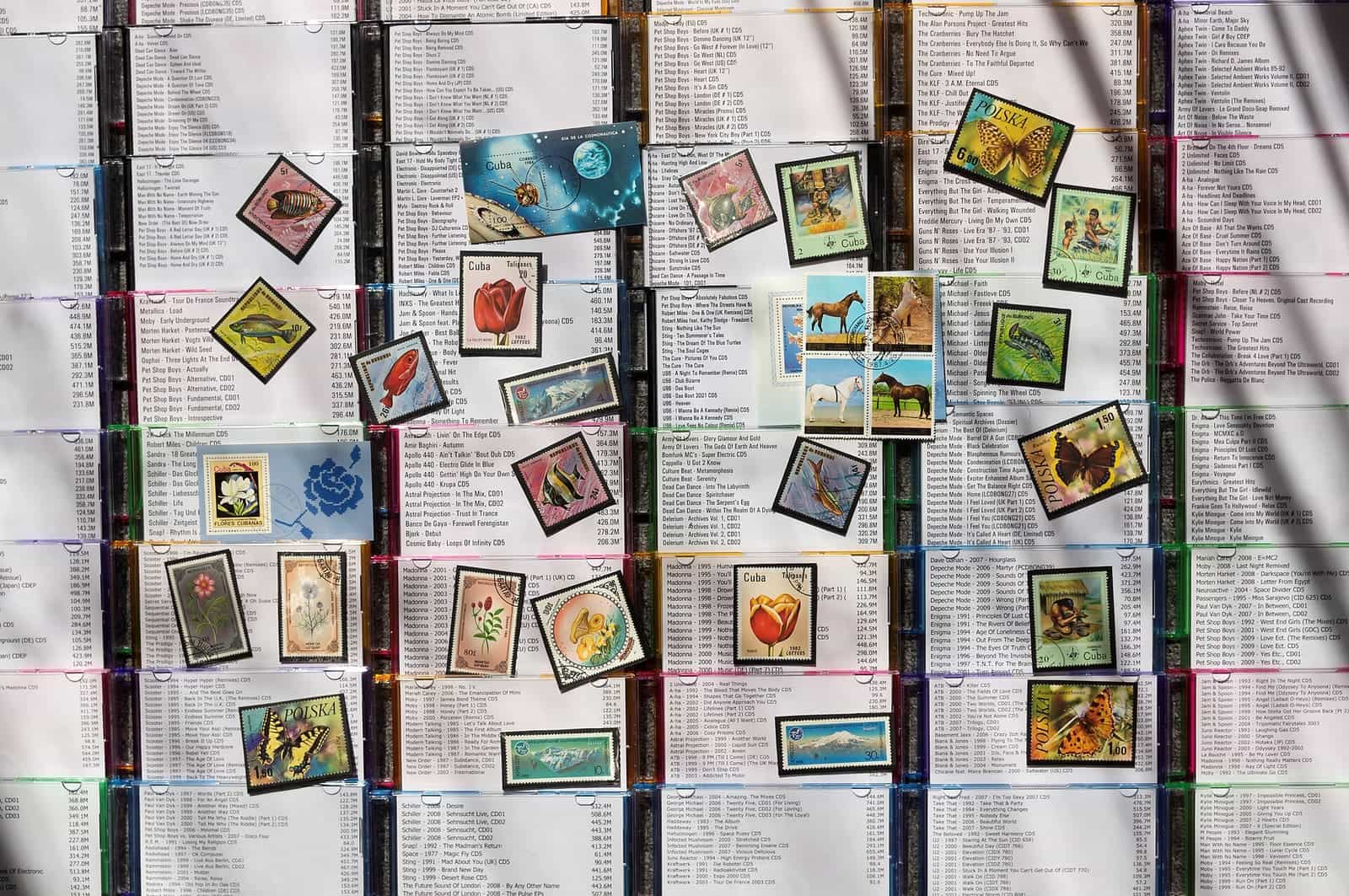
✉️ Stamps
Rare issues, first-day covers and whole collections waiting to be sorted.
Photo: Vyacheslav Argenberg / CC BY 4.0
Stamp collecting: how to judge condition and value
Stamp collecting spans classic US issues, errors and oddities, first-day covers, postal history and whole collections in albums and boxes waiting to be sorted. It’s a hobby with deep reference material and a huge supply, which means great finds for patient buyers and plenty of common material for beginners to learn on.
Condition drives value more than almost anything else. Collectors look closely at centering, perforations, color, and the gum on the back of unused stamps, with never-hinged examples usually commanding a premium over hinged ones. Faults like thins, creases, short perfs and fading reduce value sharply. The biggest pitfalls are repairs and alterations: regummed stamps, reperforated edges, filled thins and chemically changed colors can fool an untrained eye. Genuine errors such as inverts and missing colors are exciting, but so are the fakes made to imitate them. That’s why expert certificates from respected services matter for valuable stamps.
Buying online works best when you get large, high-resolution scans of the front and back, and when the seller lists catalog numbers so you can compare like with like. Be realistic with large collections and first-day covers, since most are made up of common material, and judge them on the key items they contain. The guides below cover condition grading, US stamp errors, first-day covers and buying collections, and you can browse live listings from eBay to put that knowledge to work.
Stamps guides
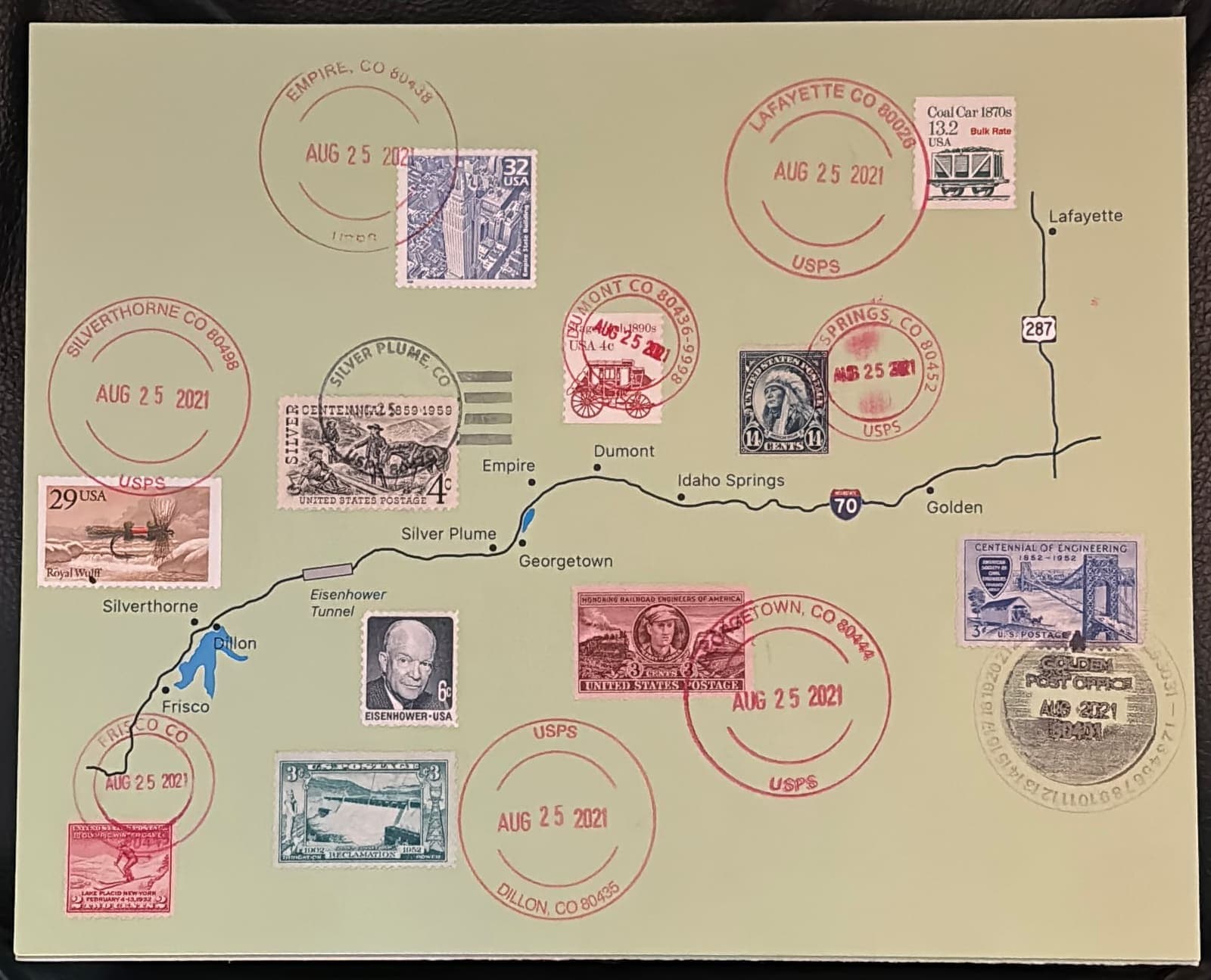
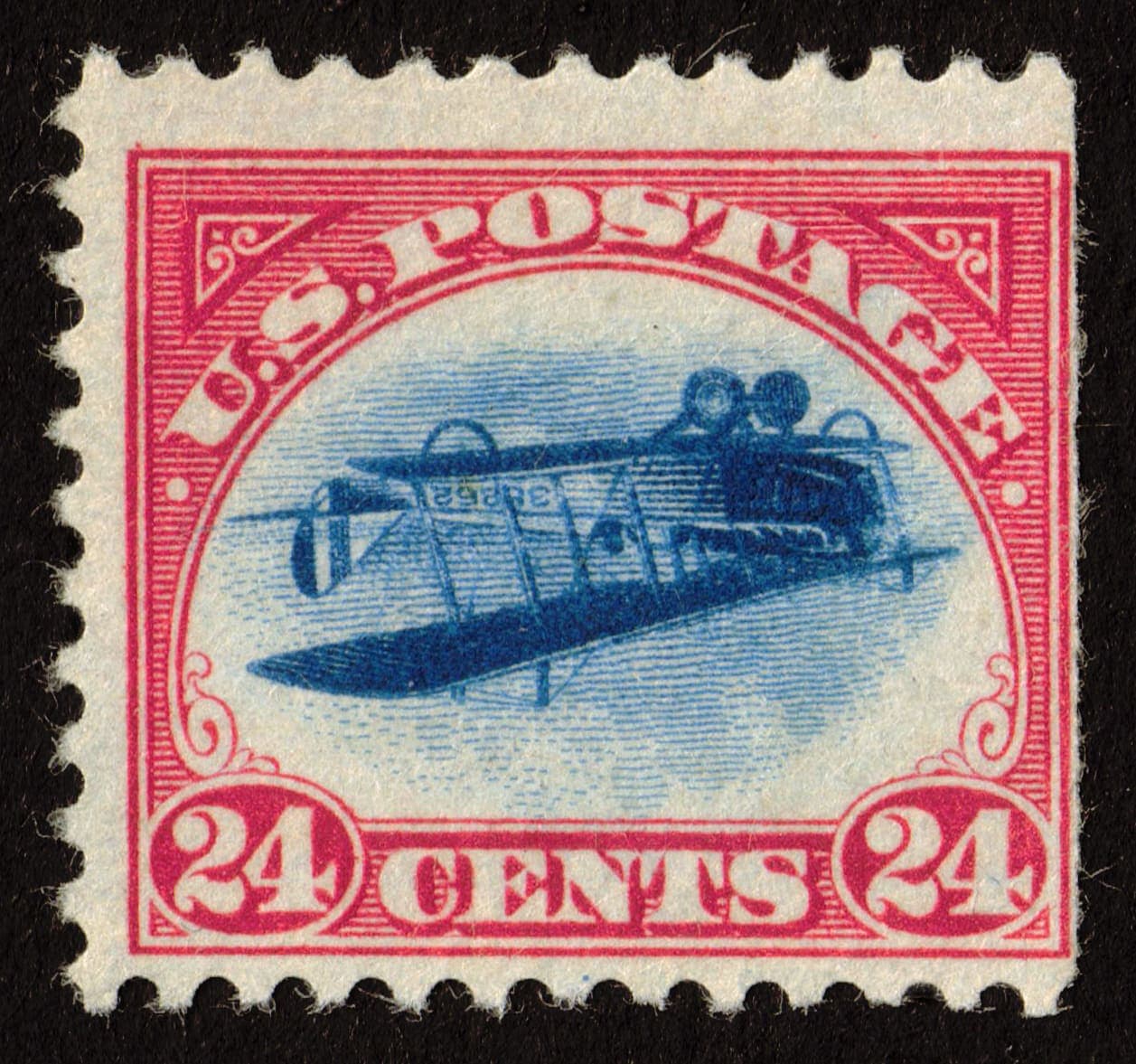
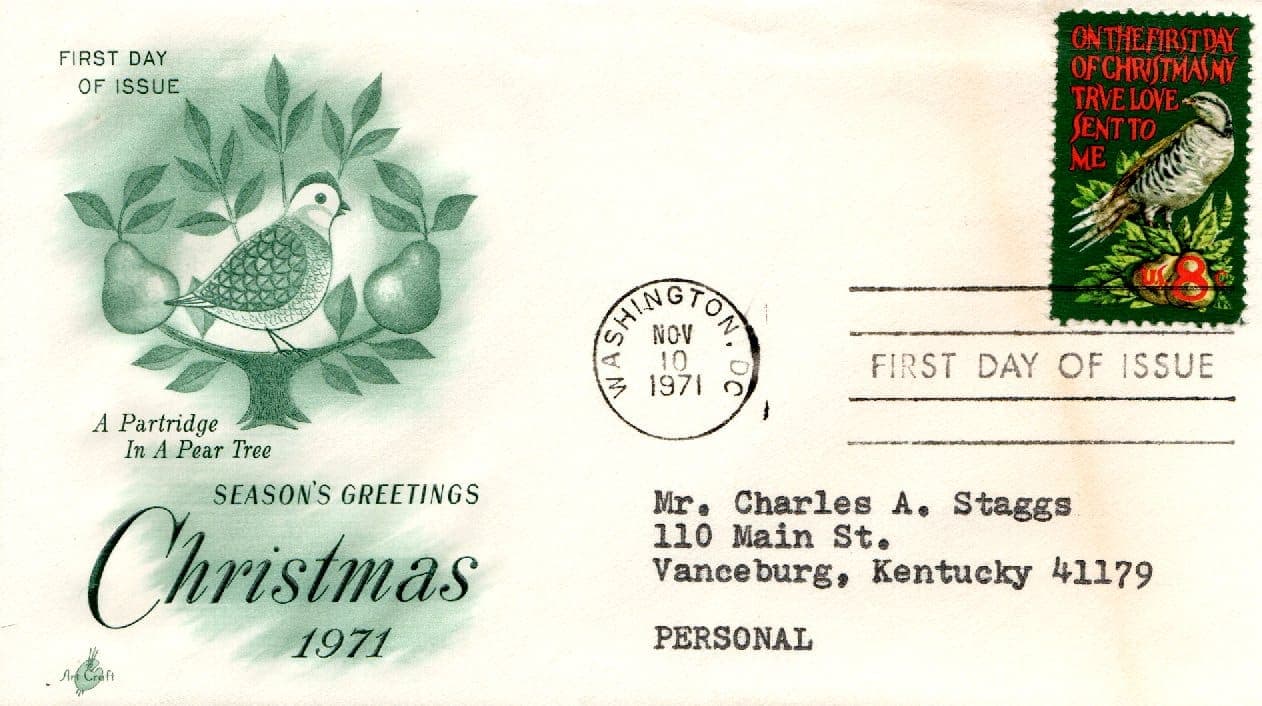
The story behind it

Stamps: common questions
What stamps are worth money?+
Valuable stamps are usually older, scarce issues in excellent condition, genuine errors like inverts or missing colors, and stamps with strong collector demand. Condition is critical, so a well-centered, fault-free example can be worth many times a damaged one. Most stamps from the mid-twentieth century onward were printed in huge numbers and are worth little individually, even if they look old.
Are first-day covers worth anything?+
Most first-day covers from the modern era were produced in large quantities and sell for modest amounts. Higher values tend to come from early covers, unusual cachets, hand-painted designs, scarce cancels or covers tied to important events. They make an enjoyable and affordable niche, but it’s best to collect them for interest rather than expecting large returns on typical examples.
How can I tell if a stamp has been repaired or regummed?+
Look at the back under good light and magnification. Regummed stamps may have gum that looks too even, shiny or discolored, or gum on the perforation tips. Thins show as translucent spots when held to light or dipped in watermark fluid. Reperforated edges can look too neat. For stamps of real value, an expert certificate is the best protection.