First Day Covers: Why Most Are Common and Which Ones Collectors Chase
First day covers are everywhere in stamp lots, and most sell for little. Here's how cachets, age and condition separate the ordinary from the desirable.
By The Grail Hunt · July 29, 2026 · 3 min read
This guide contains eBay affiliate links. If you buy through them we may earn a commission, at no extra cost to you. Read our affiliate disclosure.
If you've ever inherited a stamp collection, there's a good chance it included a shoebox of first day covers. They're colorful, historic and fun to browse — and the vast majority are inexpensive. That's not bad news. It means you can build a great collection affordably, as long as you know which features actually make a cover special.
What a first day cover is
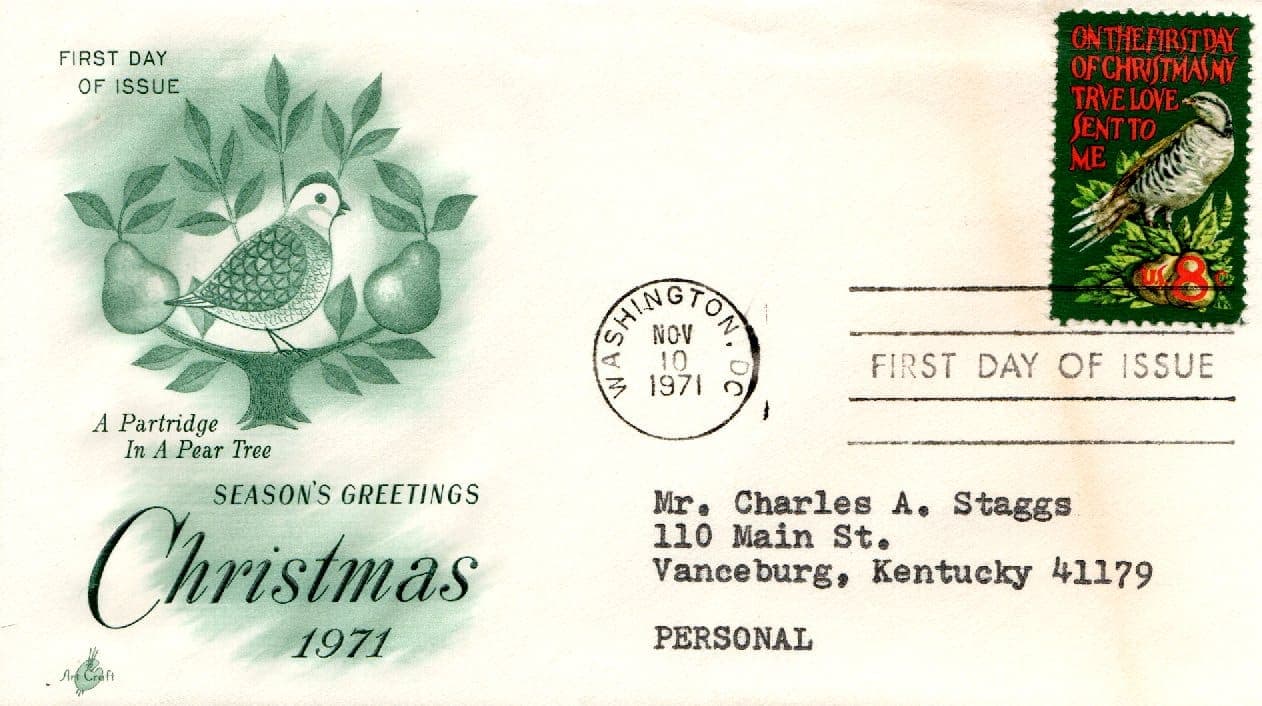
A first day cover (FDC) is an envelope or card bearing a new stamp that was canceled on the stamp's first day of issue. Most US issues have an official first day city, and covers canceled there carry a special postmark noting the occasion.
Many FDCs also feature a cachet — a printed, stamped or hand-drawn design, usually on the left side of the envelope, that relates to the stamp's subject. Cachets turned FDCs from simple postal souvenirs into miniature works of art.
Why most FDCs are inexpensive
Starting in the mid-20th century, first day covers became hugely popular, and commercial cachet makers such as Artcraft and Fleetwood produced them in enormous quantities. Collectors also serviced their own covers by the thousands. The result:
- Supply of modern covers far outstrips demand.
- Many were bought new as keepsakes and saved carefully, so nice condition is common.
- The stamps on them are usually common too.
A modern mass-produced cover in nice shape is a pleasant collectible, but it's rarely a valuable one.
Features that make a cover desirable
Value tends to concentrate in a few areas:
- Early covers. First day covers for older issues, especially from the era before cachets became widespread, are much scarcer.
- First cachets. The first cover a particular cachet maker ever produced often has a following of its own.
- Hand-painted or hand-drawn cachets. Original artwork made in small numbers, often by known cachet artists, stands out from printed designs.
- Scarce stamps or formats. Covers carrying high-value stamps, plate blocks, or unusual combinations can be more interesting.
- Unusual cancels. Covers canceled at unofficial cities on the first day, or with notable postmark varieties, attract specialists.
- Errors on cover. A genuine stamp error on an FDC is a rare find — and deserves the same skepticism and certification as any error.
Condition and what to check
Condition matters more on scarcer covers, but it's worth checking every time:
- Toning and foxing — brown spots from humidity reduce eye appeal.
- Addressing — many collectors prefer unaddressed covers or neat, small pencil addresses over large typed or inked ones.
- Tears, creases and stains on the envelope.
- Stamp condition — the stamp itself should be free of damage, and the cancel should be clear.
- Cachet quality — crisp printing or intact artwork, with no fading from sunlight.
Grail Hunt tip: When a listing claims a cover is early, rare or the "first cachet" of a maker, ask the seller to show the full front and back at high resolution. Backstamps, printed notes and cachet maker imprints often confirm — or undermine — the claim.
Buying FDCs online
- Bulk lots are for browsing, not treasure. Big boxes of modern covers are great for topical collectors, but don't pay for them expecting hidden rarities.
- Look for specifics. Good listings name the stamp, the Scott number, the cachet maker and the cancel city.
- Beware added cachets. Cachets can be applied to a genuine FDC years later. Style, ink and wear that don't match the envelope are warning signs.
- Check for faked cancels. On scarce covers, compare the postmark to known genuine examples.
- Use expertizing for expensive pieces. Certificates exist for covers too, and early or valuable covers deserve one.
The bottom line
Most first day covers are affordable history — perfect for building a collection around a theme you love. The desirable ones stand out for their age, their cachet, their scarcity or something unusual in the postmark. Buy the ordinary ones for enjoyment, and save your scrutiny and budget for the covers that truly earn it.
More Stamps guides