Buying Stamp Collections Online: How to Read Albums, Lots and Bulk Boxes
A big album can be a treasure trove or a picked-over shell. Learn how to read lot photos, judge catalog value claims and buy stamp collections with confidence.
By The Grail Hunt · July 28, 2026 · 3 min read
This guide contains eBay affiliate links. If you buy through them we may earn a commission, at no extra cost to you. Read our affiliate disclosure.
Buying a whole collection is one of the most enjoyable ways to grow your own. You get hundreds or thousands of stamps at once, plus the thrill of sorting through someone else's decades of work. But collection lots are also where buyers most often overpay. Here's how to size one up before you bid.
Know what kind of lot you're looking at
Stamp lots come in a few common forms, and each has different strengths:
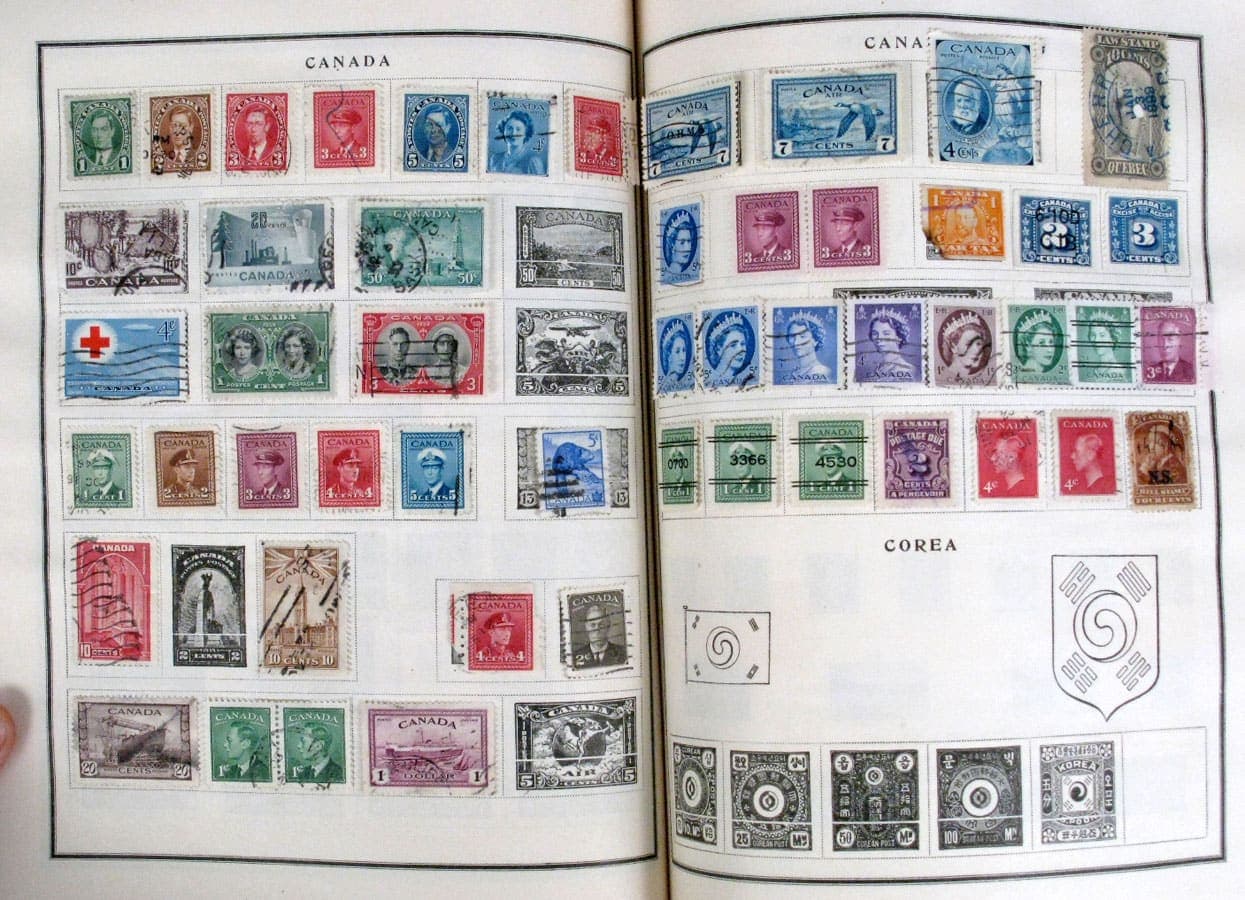
- Albums — printed pages with spaces for specific stamps. Easy to evaluate because empty spaces show what's missing.
- Stock books — pages of clear strips holding loose stamps. Flexible, but harder to judge at a glance.
- Glassines and envelopes — loose stamps in bags or packets. Often unsorted and full of duplicates.
- Kiloware — stamps still on paper clipped from envelopes, sold by weight. Mostly common, but fun for sorting.
- Mint postage lots — sheets and panes of unused modern stamps.
Match the lot type to your goal. A beginner building a worldwide collection might love an album; a specialist might prefer a stock book of one country.
Watch for picked-over collections
A picked-over collection is one where the better stamps have already been removed, often by a dealer, before the rest was sold. Signs include:
- Empty spaces where key stamps in a set should be, while the common values remain.
- Hinge remnants or mounts sitting in otherwise empty spaces.
- Descriptions that say "remainder," "balance of collection" or "duplicates."
- Listings that highlight the album's size and age but never mention specific stamps.
Picked-over collections aren't worthless, but they should be priced for what's left, not what used to be there.
Read the photos like a detective
Lot photos tell you more than the description if you slow down:
- Count the pages shown versus the pages claimed. A seller showing the best five pages of a 200-page album is showing you the highlights.
- Zoom in on condition. Look for toning, creases, thins and stamps stuck to the page.
- Check for stuck-together mint stamps. Mint stamps stored in humidity can adhere to pages or to each other, which damages the gum and the stamp.
- Look for water damage, mold or foxing on album pages.
- Identify the key stamps yourself. If you can spot the valuable ones in the photos, you can judge the lot on your own terms.
Grail Hunt tip: Ask the seller for photos of every page, or at least a set of random pages you choose yourself. A seller who's confident in the lot will usually oblige; one who refuses is telling you something.
Catalog value versus real value
Many listings advertise a high catalog value, often based on the Scott catalogue. Treat that number carefully:
- Catalog values are a reference point, not a price you can sell for. Real-world sale prices for common stamps are often a small fraction of catalog.
- Catalogs often assign a minimum value to even the most common stamp, so thousands of cheap stamps can add up to an impressive-sounding but meaningless total.
- Catalog value assumes a certain condition. Damaged, heavily canceled or poorly centered stamps sell for much less.
- Modern mint US postage frequently trades at or below face value, because there is so much of it.
The right question isn't "what's the catalog value?" but "what are the better stamps in here worth, in their actual condition?"
Smart questions to ask
- Is this an original collection, or has it been picked through?
- Are there any certificates for the better stamps?
- How has the collection been stored?
- Are the stamps hinged, mounted or loose?
- Can I return it if the contents don't match the description?
The bottom line
A stamp collection lot is a bundle of claims. Read the photos carefully, look for missing key stamps, and ignore inflated catalog totals. Buy the lot for what it demonstrably contains — and enjoy the sorting, because that's half the fun.
More Stamps guides