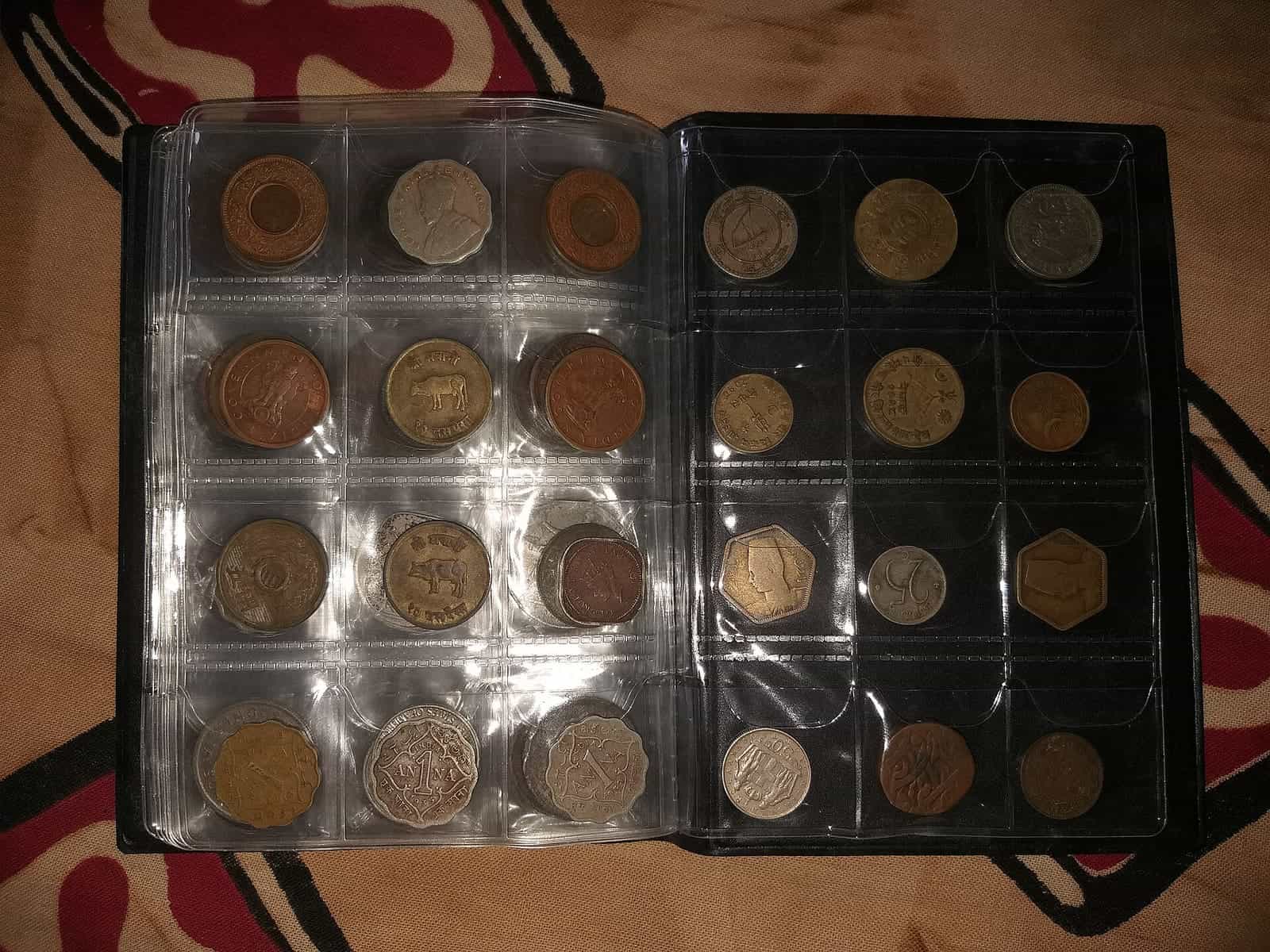
🌍 World Coins
Ancient Roman denarii to modern bullion from mints around the globe.
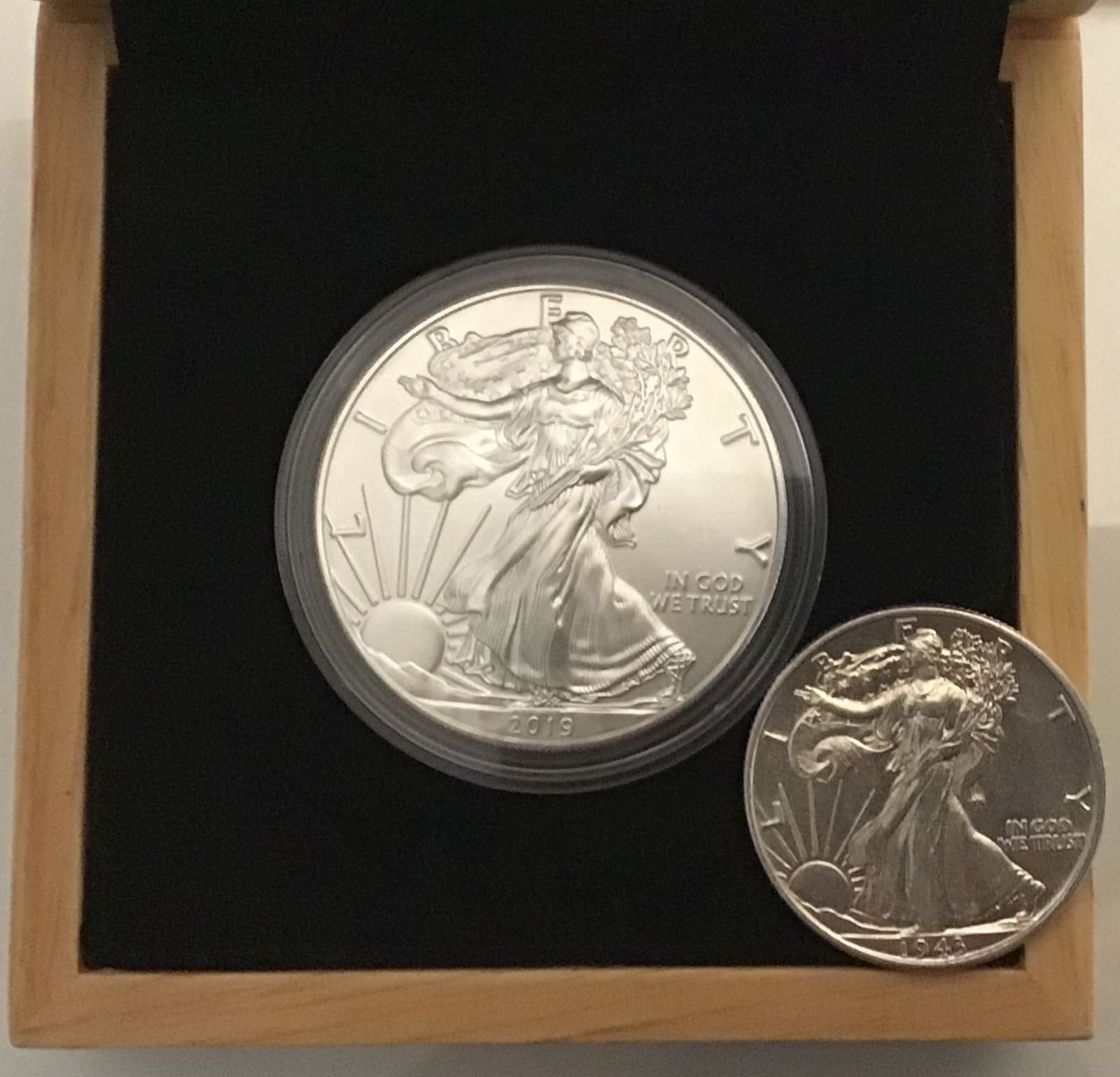
Photo: Billjones94 / CC0
World coins: collecting ancient, foreign and gold coins
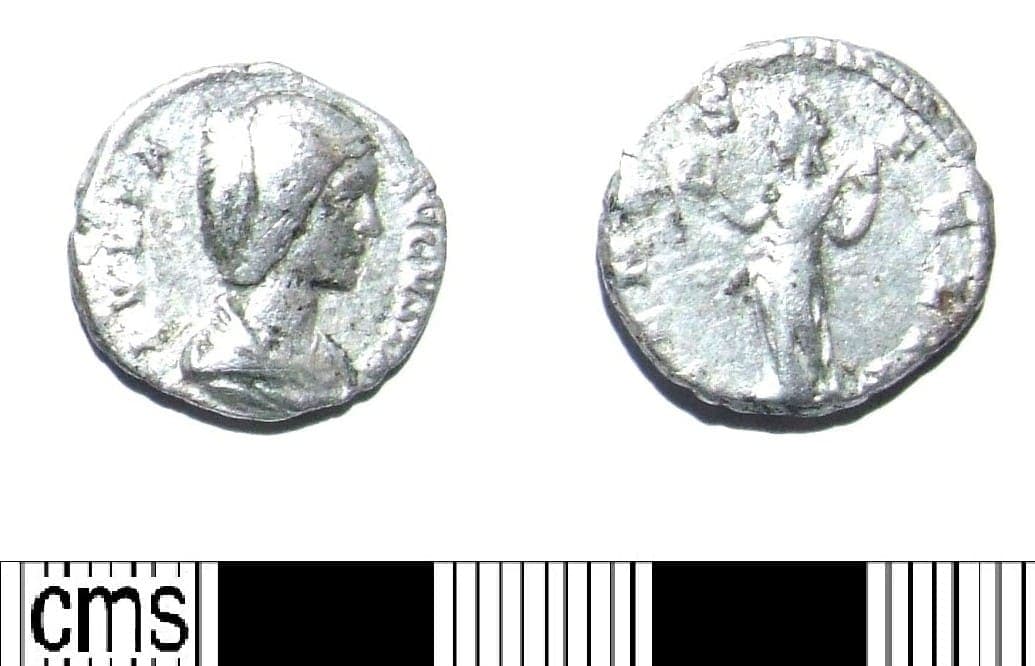
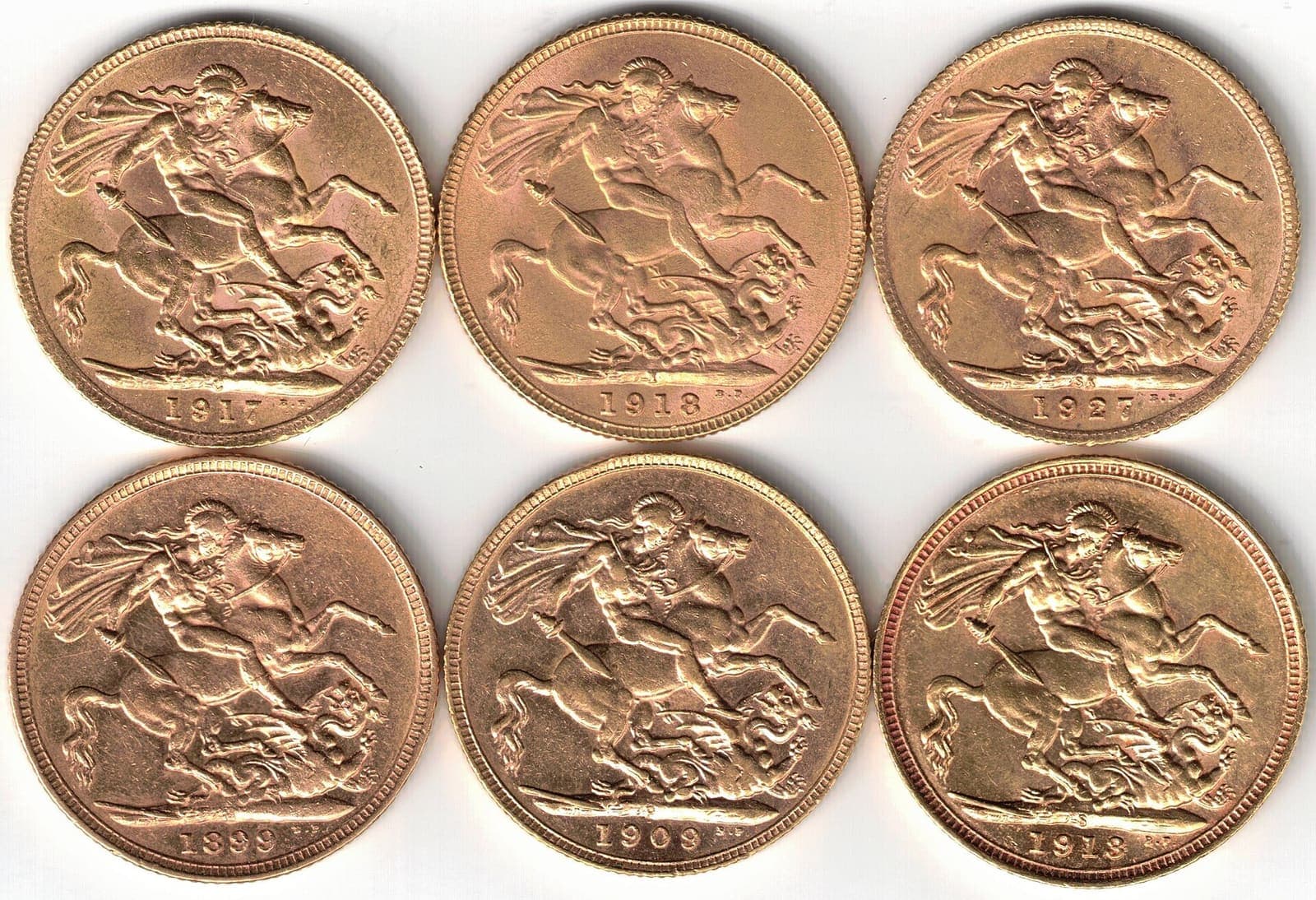
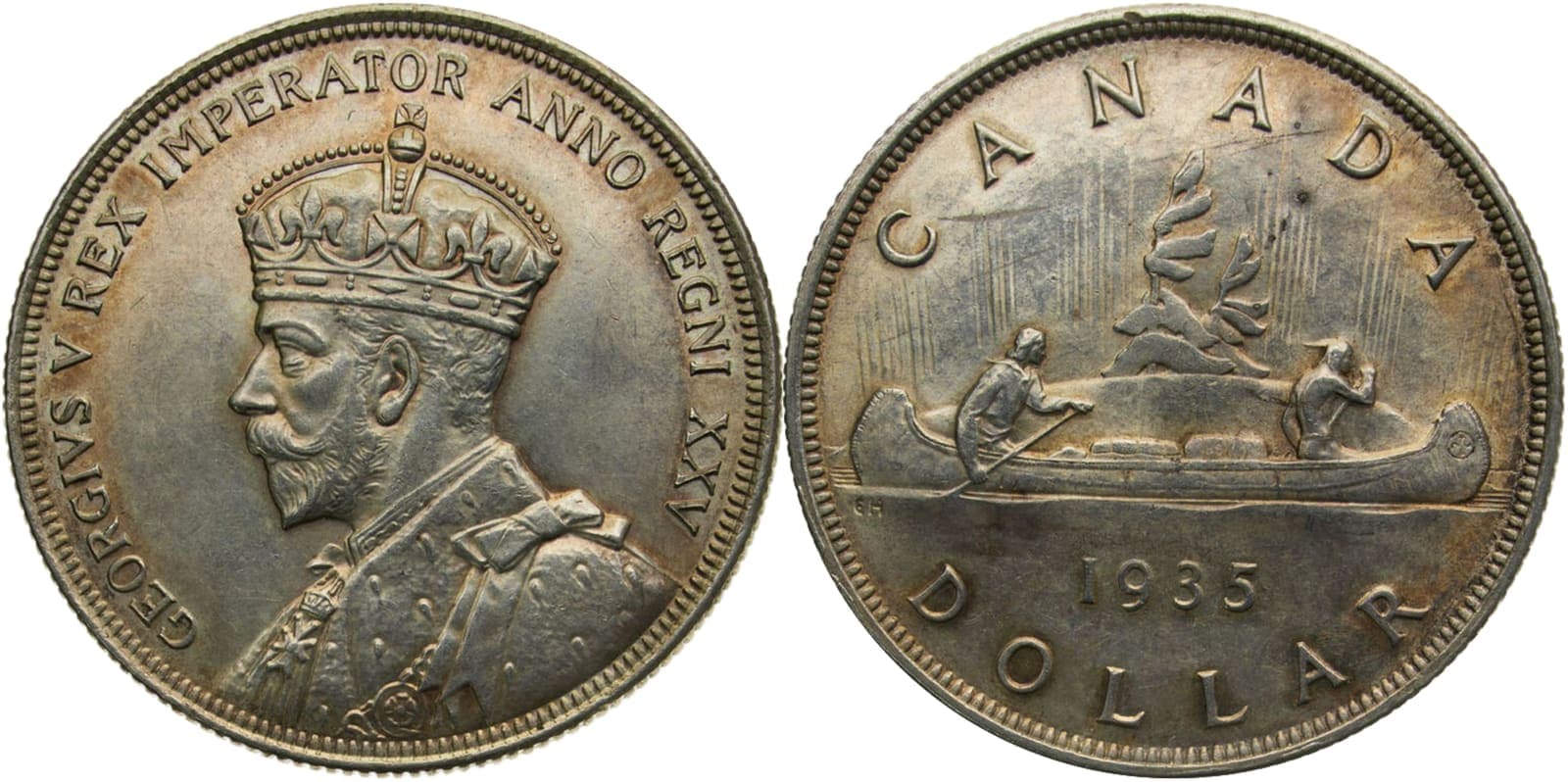
World coins cover more than two thousand years of history, from Greek drachms and Roman denarii to British gold sovereigns, Canadian commemoratives and modern bullion from mints across the globe. It’s one of the most rewarding corners of numismatics because you can hold a piece of an empire in your hand, and many genuine ancient coins are surprisingly affordable.
Value depends on the same things that drive any coin: rarity, demand, metal content and condition. For ancients, the quality of the strike, how well centered the design is, and whether the portrait is attractive often matter as much as the ruler named on it. For gold and silver pieces, it helps to understand the difference between bullion, which tracks metal prices, and numismatic coins, which carry a collector premium. Counterfeits are common in this area too, from cast copies of ancient coins to fake gold sovereigns, so learning how to tell if a world coin is real is essential before you spend serious money.
When you shop online, favor sellers who clearly describe weight, diameter and attribution, and who show both sides in good light. Certification from NGC or PCGS is available for many world and ancient coins and can take much of the risk out of a big purchase. Always compare against recent sold prices rather than asking prices. The guides below cover Roman denarii, gold sovereigns, valuable Canadian coins and bullion versus numismatic pricing, and you’ll find live listings from eBay alongside them.
World Coins guides
World Coins: common questions
Are ancient Roman coins real if they are cheap?+
Often, yes. Rome struck coins in enormous quantities, so worn bronze and common silver denarii can be genuinely inexpensive. Low price alone doesn’t prove a coin is fake. That said, cast fakes and tourist copies are widespread. Look for a sensible weight, natural wear and patina, and a seller who attributes the coin properly, or choose a certified example for higher-value pieces.
What foreign coins are worth money?+
Gold and silver coins are always worth at least their metal value, which makes them a safe starting point. Beyond that, value comes from rarity, historical interest and condition, such as scarce dates, low-mintage issues or coins in exceptional grades. Most modern circulating foreign coins found in a drawer are worth little, so check sold listings before assuming a coin is valuable.
What is the difference between bullion and numismatic coins?+
Bullion coins are bought mainly for their gold or silver content, and their prices move closely with metal markets. Numismatic coins are valued for rarity, age, condition and collector demand, so they usually sell well above melt value. Some coins sit in between. Knowing which kind you’re buying helps you judge whether the premium over metal value makes sense.