Ancient Coins for Beginners: Buying Your First Roman Denarius
Hold 2,000 years of history for less than a nice dinner. What to look for in a Roman silver denarius, and how to avoid fakes and bad lots.
By The Grail Hunt · September 10, 2026 · 2 min read
This guide contains eBay affiliate links. If you buy through them we may earn a commission, at no extra cost to you. Read our affiliate disclosure.
There's nothing quite like holding a coin that was spent in the markets of ancient Rome. The silver denarius was the workhorse coin of the Roman world for centuries, and many are surprisingly affordable. Here's how to buy your first one with confidence.
What a denarius is
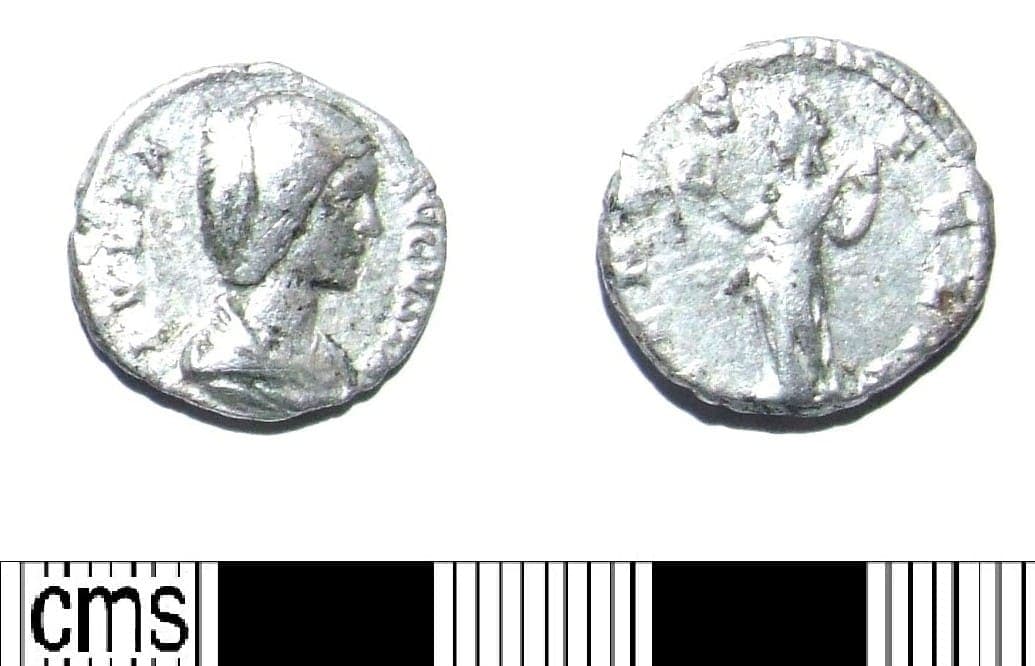
The denarius was a small silver coin, roughly the size of a modern US dime, first struck around the late 3rd century BC. Most carry the portrait of an emperor or empress on the front, with a god, personification or political message on the back.
Over time Rome debased its silver coinage — early denarii are high-grade silver, while those of the 3rd century AD contain noticeably less. That's part of the story each coin tells, and it also affects price.
Condition terms you'll see
Ancient coins aren't graded on the modern 1–70 scale. Instead you'll see descriptive grades such as Fine (F), Very Fine (VF) and Extremely Fine (EF/XF). NGC's ancient coin service also adds separate scores for strike and surface out of five.
Things that matter most to collectors:
- Portrait quality. A sharp, well-centered portrait is worth paying for.
- Legends. Can you read the inscription around the edge? That's how the emperor is identified.
- Centering. Ancient coins were hand-struck, so off-center strikes are common. A full portrait and legend command a premium.
- Surfaces. Porosity, corrosion or harsh cleaning reduce value.
Watch out for fakes and "uncleaned" lots
Ancient coins have been faked for centuries. Modern fakes are often cast rather than struck, which can leave a soft, grainy surface, tiny bubbles, or a seam around the edge. Weight and die style that don't match known examples are also red flags.
"Uncleaned" bulk lots are fun, but understand what you're buying: they're mostly worn bronze coins, and the chance of a hidden silver treasure is low.
Grail Hunt tip: Look up the coin in a reference such as the Roman Imperial Coinage (RIC) number the seller provides. A seller who can properly attribute a coin usually knows what they're selling.
Provenance matters
Many countries restrict the export of antiquities, and the US has import restrictions on certain ancient coins. Buy from established sellers who describe where a coin came from and are open about it. It protects you, and it protects the hobby.
The bottom line
Start with a common emperor in Very Fine condition with a clear portrait and legible legend. Buy from a seller who attributes coins properly, check the photos closely for casting marks, and you'll own a real piece of Rome for a very reasonable price.
More World Coins guides