Bullion vs Numismatic Coins: When Collector Value Beats Metal Value
Silver Eagles, Maple Leafs and Britannias can be bullion or collectibles. Learn how premiums over spot work, when proofs matter, and how to avoid fake bullion.
By The Grail Hunt · August 3, 2026 · 3 min read
This guide contains eBay affiliate links. If you buy through them we may earn a commission, at no extra cost to you. Read our affiliate disclosure.
Walk into any coin shop and you'll find two very different kinds of coins sitting side by side. Bullion coins are priced mainly by the metal inside them. Numismatic coins are priced by rarity, condition and collector demand. The same design can fall into either camp, and knowing the difference is the key to paying a fair price.
1. What makes a coin bullion
Bullion coins are made by government mints in large quantities, with a guaranteed weight and purity. They're designed to be easy to buy, sell and recognize. The most popular silver examples include:
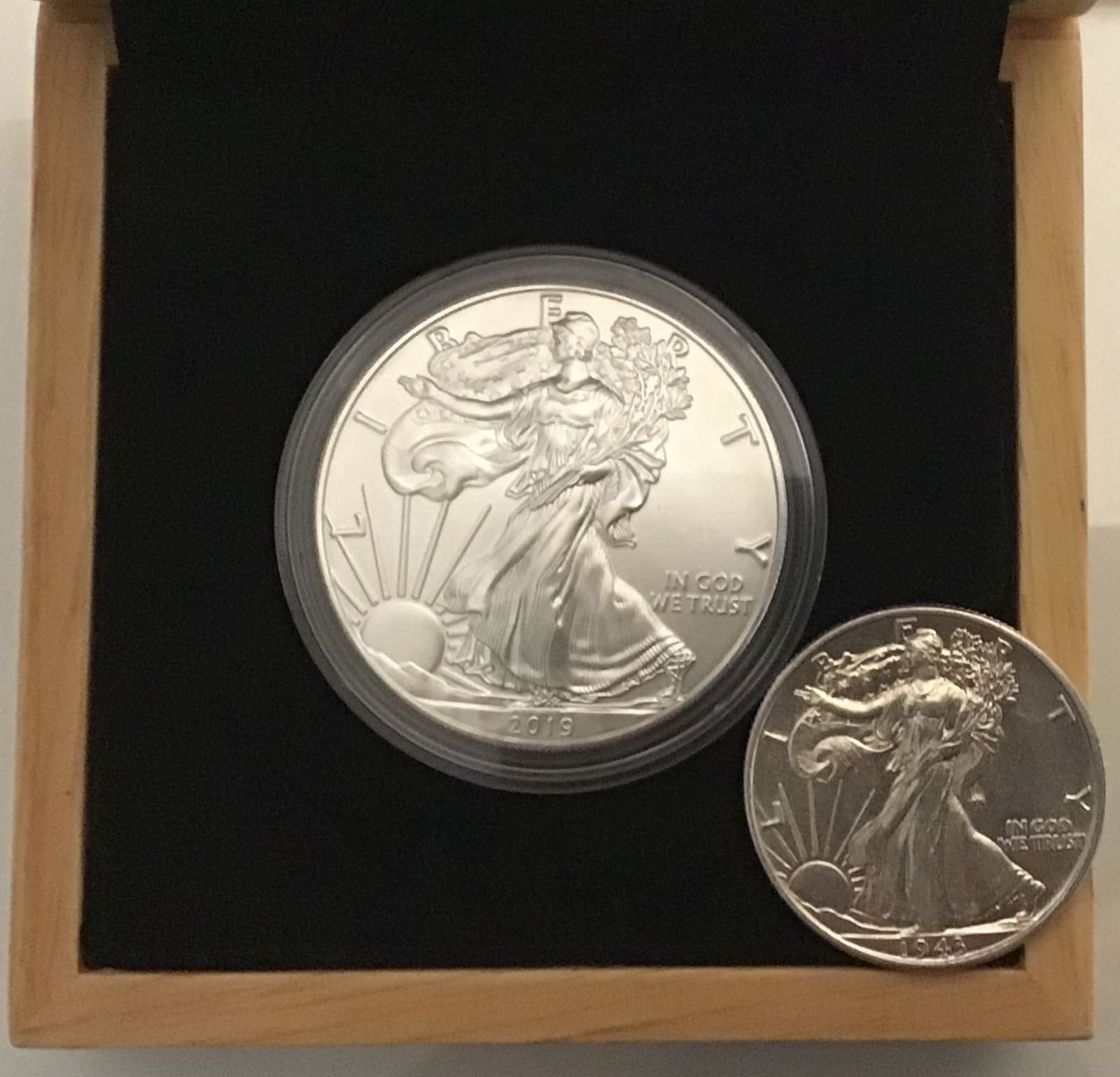
- American Silver Eagle — One troy ounce of .999 fine silver, struck by the U.S. Mint since 1986
- Canadian Silver Maple Leaf — One troy ounce of .9999 fine silver from the Royal Canadian Mint
- British Silver Britannia — One troy ounce from the Royal Mint, now in .999 fine silver
Gold versions of all three exist as well. For ordinary bullion strikes, the year usually matters little — you're buying ounces.
2. How premiums over spot work
The spot price is the benchmark market price for an ounce of metal. You'll almost always pay more than spot, and that extra is the premium. It covers minting, distribution, dealer margin and demand.
- Government-minted coins like Eagles and Maples generally carry higher premiums than generic rounds or bars, because they're widely recognized and easy to resell.
- Premiums fluctuate. During periods of heavy demand, they can widen sharply; in quiet markets, they narrow.
- Selling works in reverse. Dealers typically buy below their selling price, so factor in the spread before you buy.
When comparing listings, calculate the total cost per ounce including shipping. A low price with high shipping is no bargain.
3. When collector value takes over
A bullion design becomes numismatic when something other than metal drives demand:
- Proof coins — Specially struck for collectors with mirror-like fields and frosted designs, sold in original packaging with certificates
- Burnished and special finishes — Collector-oriented strikes, such as the U.S. Mint's "W" mint mark burnished Silver Eagles
- Low-mintage or key issues — For example, the 1995-W proof Silver Eagle is famous as the key to the series
- High grades — A certified coin at the top of the grading scale can sell for far more than a raw example
- Varieties and errors — Die changes and mint errors attract collectors
These premiums can be large, but they also depend on continuing collector demand. Understand what you're paying for before you pay up.
Grail Hunt tip: If your goal is metal, buy the coin with the lowest premium per ounce from a reputable seller. If your goal is collecting, buy the best coin you can afford and keep the original packaging.
4. Counterfeit bullion is real
Because bullion is traded in bulk, it's an attractive target for counterfeiters. Fake Silver Eagles and other popular coins have appeared in large numbers online. Protect yourself with a few simple checks:
- Weight and size. A genuine Silver Eagle weighs about 31.1 grams and measures about 40.6 mm across. Fakes are often off in weight, thickness or diameter.
- Magnet test. Silver isn't magnetic. A coin that sticks to a magnet is fake — though passing the test doesn't prove it's genuine.
- Ring test. Genuine silver has a clear, sustained ring when tapped gently; many fakes sound dull.
- Security features. Recent Maple Leafs carry fine radial lines and a tiny micro-engraved security mark, and newer Britannias have added their own anti-counterfeiting features. Learn what genuine coins look like.
- Details. Mushy lettering, soft design details and odd surface textures are common signs of a fake.
5. Buying bullion and collector coins online
- Stick with sellers who have long, positive feedback on bullion specifically
- Be wary of prices well below spot — that's the most common sign of a counterfeit
- Ask for photos of the actual coin, not stock images, and for weight readings on high-value lots
- For proofs and key dates, buy certified by PCGS or NGC and verify the certification number
- Pay through the marketplace so you're covered by its buyer protection
The bottom line
Bullion is about metal; numismatics is about scarcity, condition and demand. Know which one you're buying, compare premiums per ounce, and don't pay collector prices for ordinary bullion strikes. Whatever you buy, verify weight and size, and remember that a deal that looks too good usually is.
More World Coins guides