Valuable Canadian Coins: Silver Eras, Key Dates, Errors and Mint Sets
Which Canadian coins collectors actually hunt for, from the silver era and famous key dates to die varieties, Royal Canadian Mint sets and grading tips for buyers.
By The Grail Hunt · August 4, 2026 · 3 min read
This guide contains eBay affiliate links. If you buy through them we may earn a commission, at no extra cost to you. Read our affiliate disclosure.
Canadian coins are a natural next step for U.S. collectors. The denominations feel familiar, the designs are beautiful, and there's plenty of history packed into the series — from Victorian-era silver to modern Royal Canadian Mint collector sets. Most Canadian pocket change is worth face value, but a handful of dates, varieties and eras are well worth learning.
1. Know the silver eras
Canadian silver coinage went through a few distinct stages, and knowing them helps you sort a jar of old coins quickly:
- Sterling silver in the early decades of Canadian coinage, running into the late 1910s
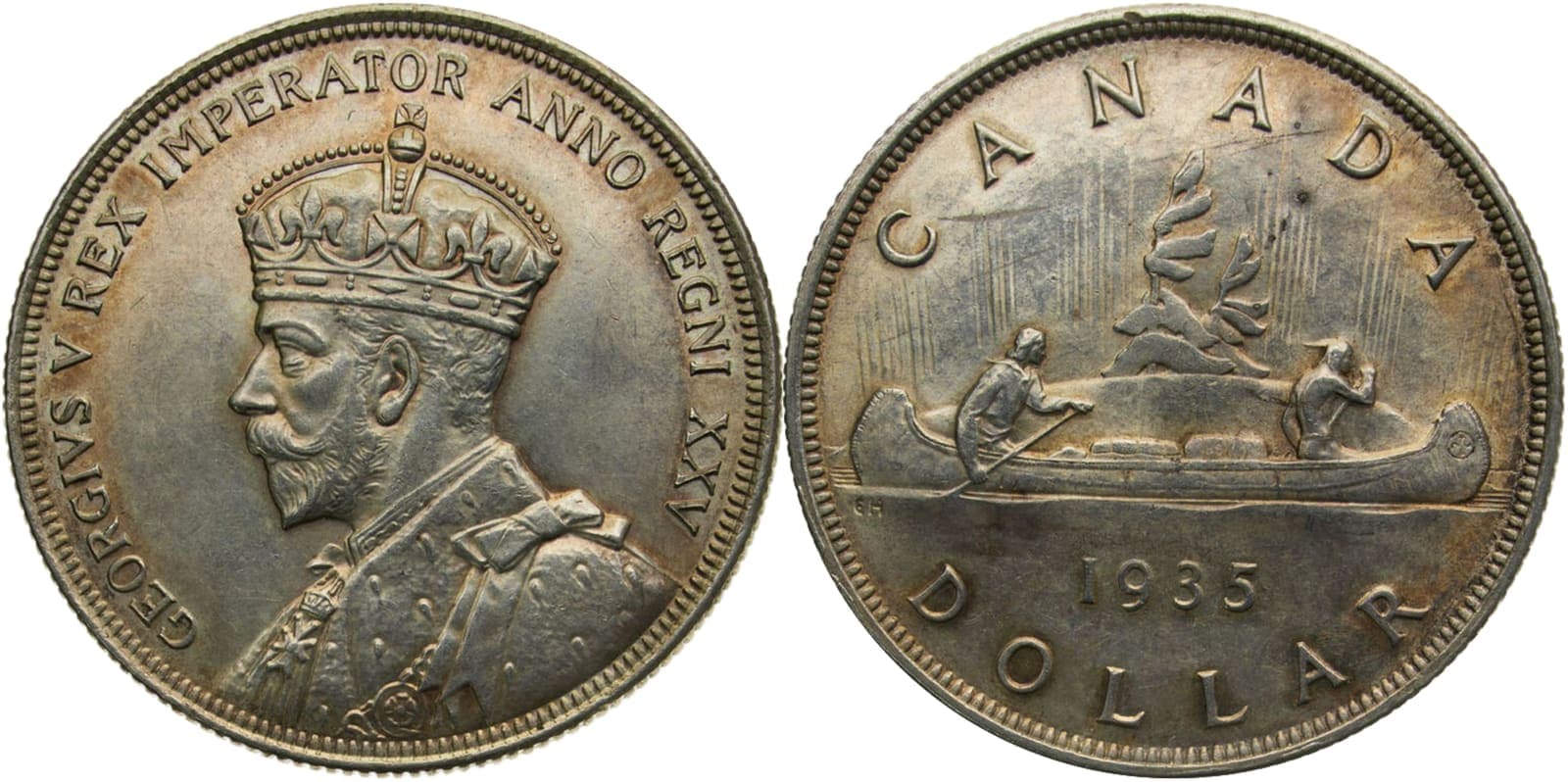
- 80% silver from 1920 through 1966 for dimes, quarters, half dollars and silver dollars
- A transition in 1967 and 1968, when some coins were struck in 80% silver, some in 50% silver, and then the Mint switched to nickel
That transition period is where you'll want to be careful. Coins from those years look very similar whether they contain silver or not, so a scale or a trusted reference is useful. As a general rule, Canadian dimes, quarters and halves dated 1966 and earlier are silver.
2. Key dates collectors chase
You don't need to memorize the whole catalog, but a few Canadian coins are famous across the hobby:
- 1921 50 cents — Most of the mintage was melted, and very few survive. It's one of the great rarities of Canadian coinage.
- 1936 "dot" coins — While new dies for King George VI were being prepared, the Mint struck some coins in 1937 using 1936-dated dies marked with a small dot. The dot cent, dime and quarter are important rarities, with the cent and dime especially scarce.
- 1947 "maple leaf" — With new dies for King George VI delayed, some coins dated 1947 were struck in 1948 with a tiny maple leaf beside the date.
- 1948 issues — Several 1948 coins were struck in small numbers while new dies were prepared, making them scarcer than surrounding dates.
Beyond these, many early Victorian and Edwardian coins are scarce in high grade. Some early 20th-century coins struck at the Heaton mint in Birmingham carry a small H mint mark and are worth checking.
3. Errors and die varieties
Canadian coins have their share of collectible mistakes and varieties:
- Doubled dies and repunched dates on various denominations
- Off-center strikes, clipped planchets and broadstrikes — classic mint errors seen worldwide
- Well-known die varieties, such as the 1955 "Arnprior" silver dollar, identified by subtle differences in the water lines on the reverse
With varieties, the difference can be tiny. Always compare coins against photos of certified examples before paying a premium.
Grail Hunt tip: Keep a list of the transition years and famous varieties on your phone. When you're scrolling through bulk lots, one quick check can turn up a coin the seller didn't notice.
4. Royal Canadian Mint sets
The Royal Canadian Mint has produced collector sets for decades, including proof-like sets, specimen sets and proof sets, plus many commemoratives and special issues. These are generally sold as complete sets and valued by condition, packaging and demand. Keep original packaging and certificates together — sets that have been broken up or are missing their original holders are usually less desirable. Watch for toning or spotting that develops inside older soft plastic packaging.
5. Grading and buying safely
Canadian coins are graded on the familiar 1–70 scale. ICCS, a Canadian grading service, is widely used for Canadian material, along with PCGS and NGC. When you shop online:
- Ask for clear, close photos of both sides, the date and any variety features
- Confirm whether the coin has been cleaned — cleaned silver sells at a steep discount
- For key dates like the 1921 50 cents or dot coins, buy certified and verify the certification number
- Be skeptical of key dates offered raw at bargain prices; these are faked, including altered dates
- Use a marketplace with buyer protection and check seller feedback on similar coins
The bottom line
Canadian coins reward collectors who know the basics: the silver eras, the transition years, a short list of famous keys and the most popular varieties. Buy the big coins certified, keep mint sets intact, and enjoy searching bulk lots for the Canadian coin the seller missed.
More World Coins guides