🫖 Pottery & Glass
Depression glass, art pottery, Fiestaware and mid-century studio pieces.
Photo: Tangerineduel / CC BY-SA 4.0
Pottery and glass: identifying marks, makers and reproductions
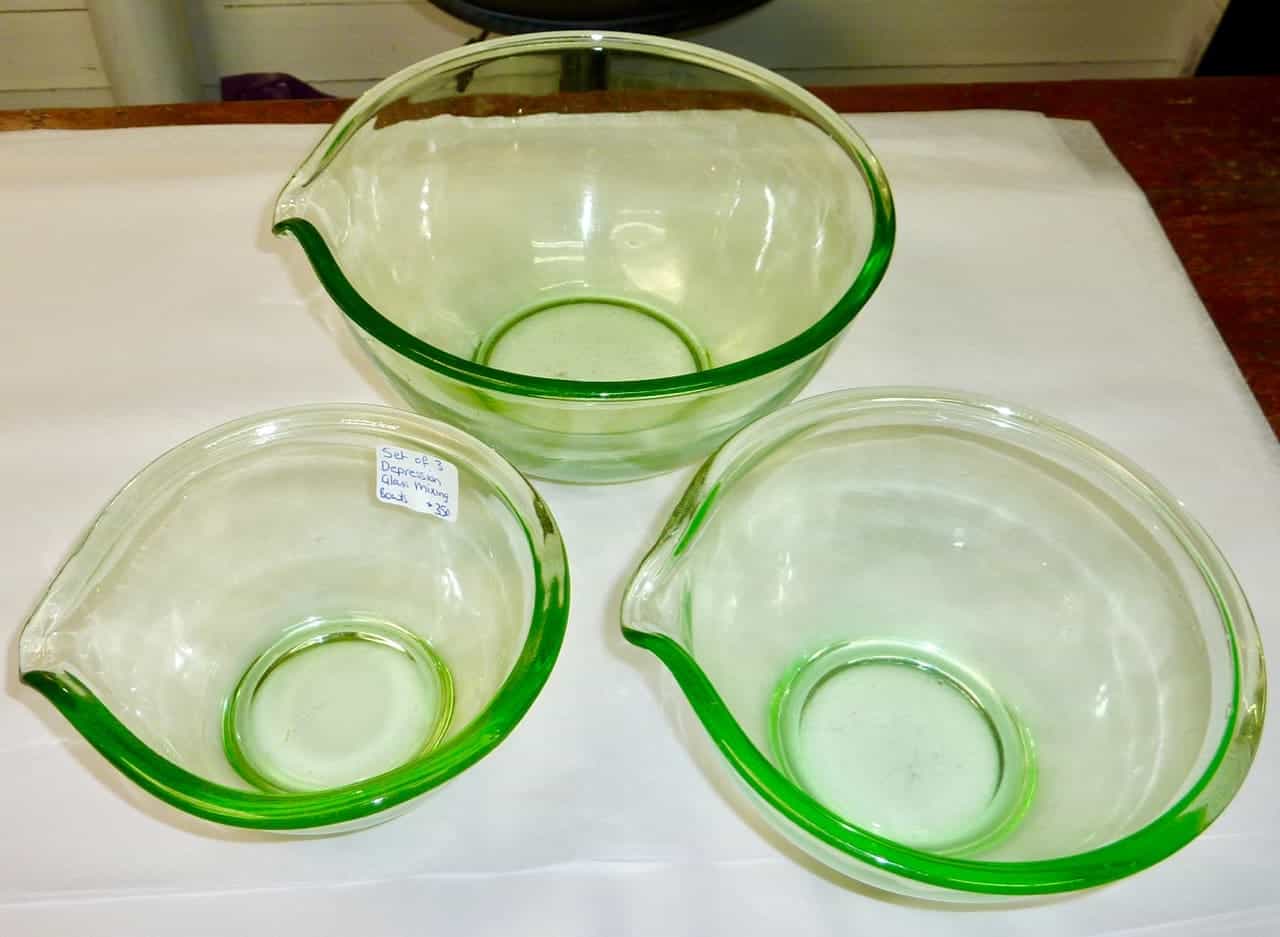
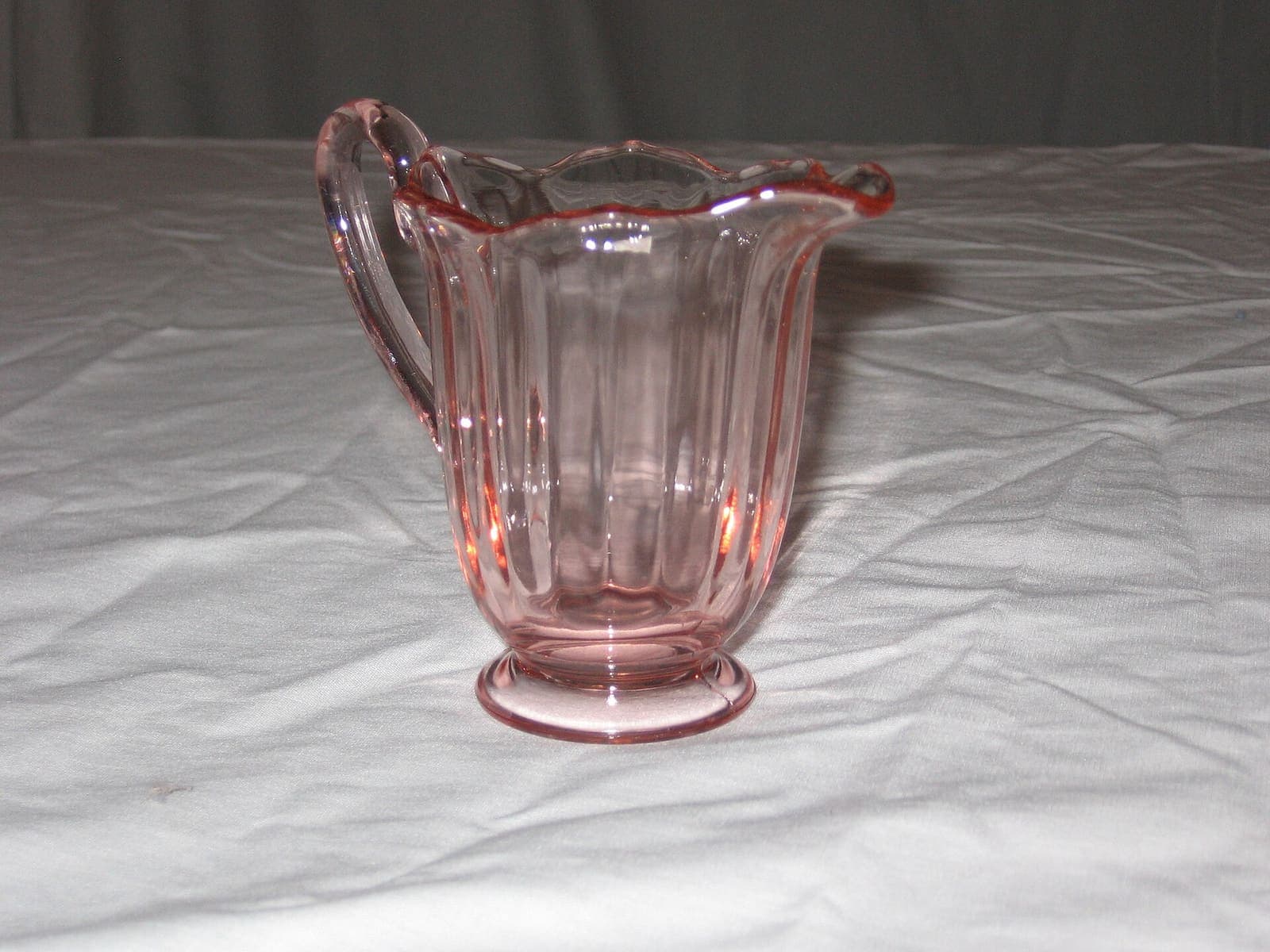
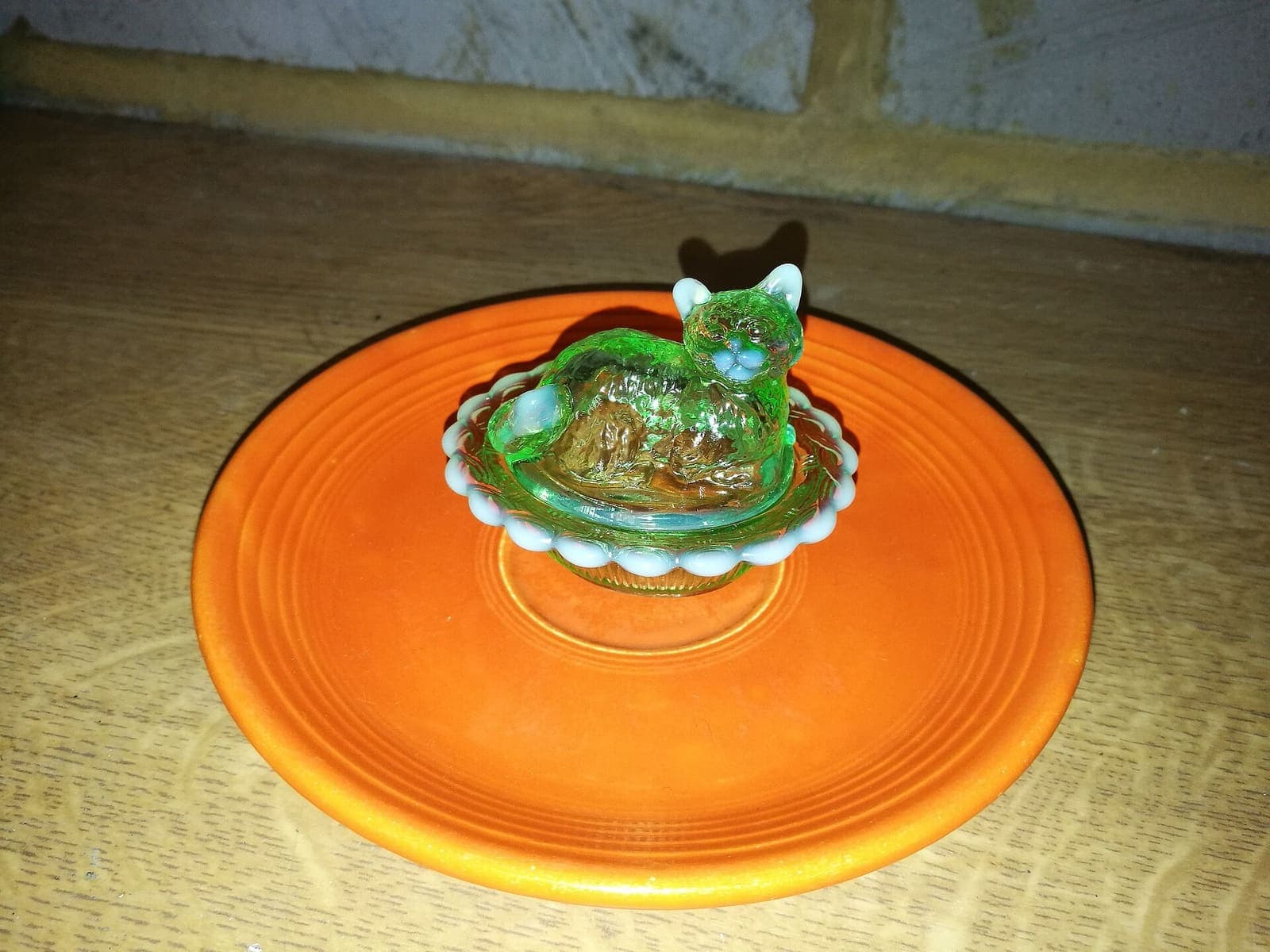
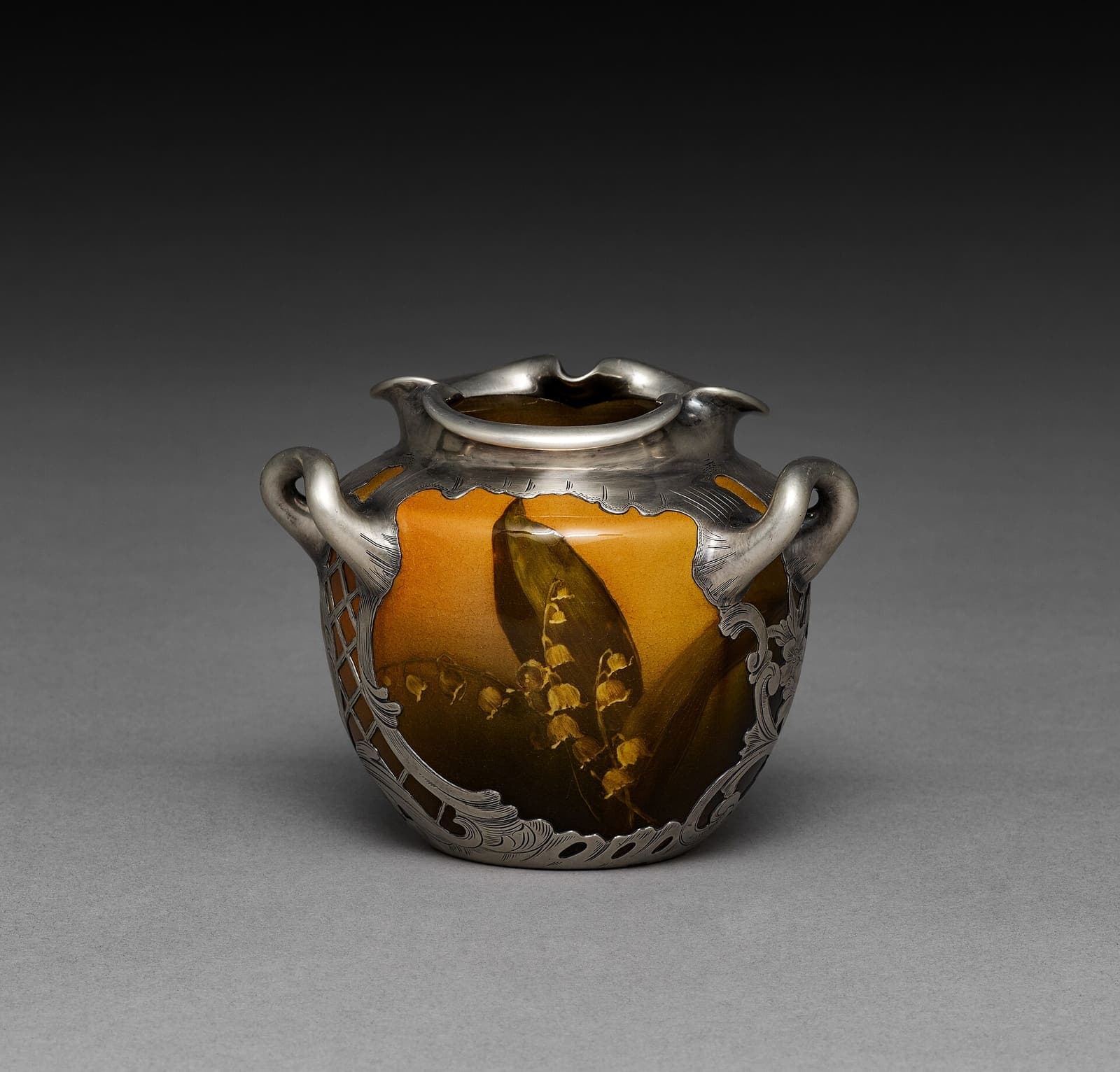
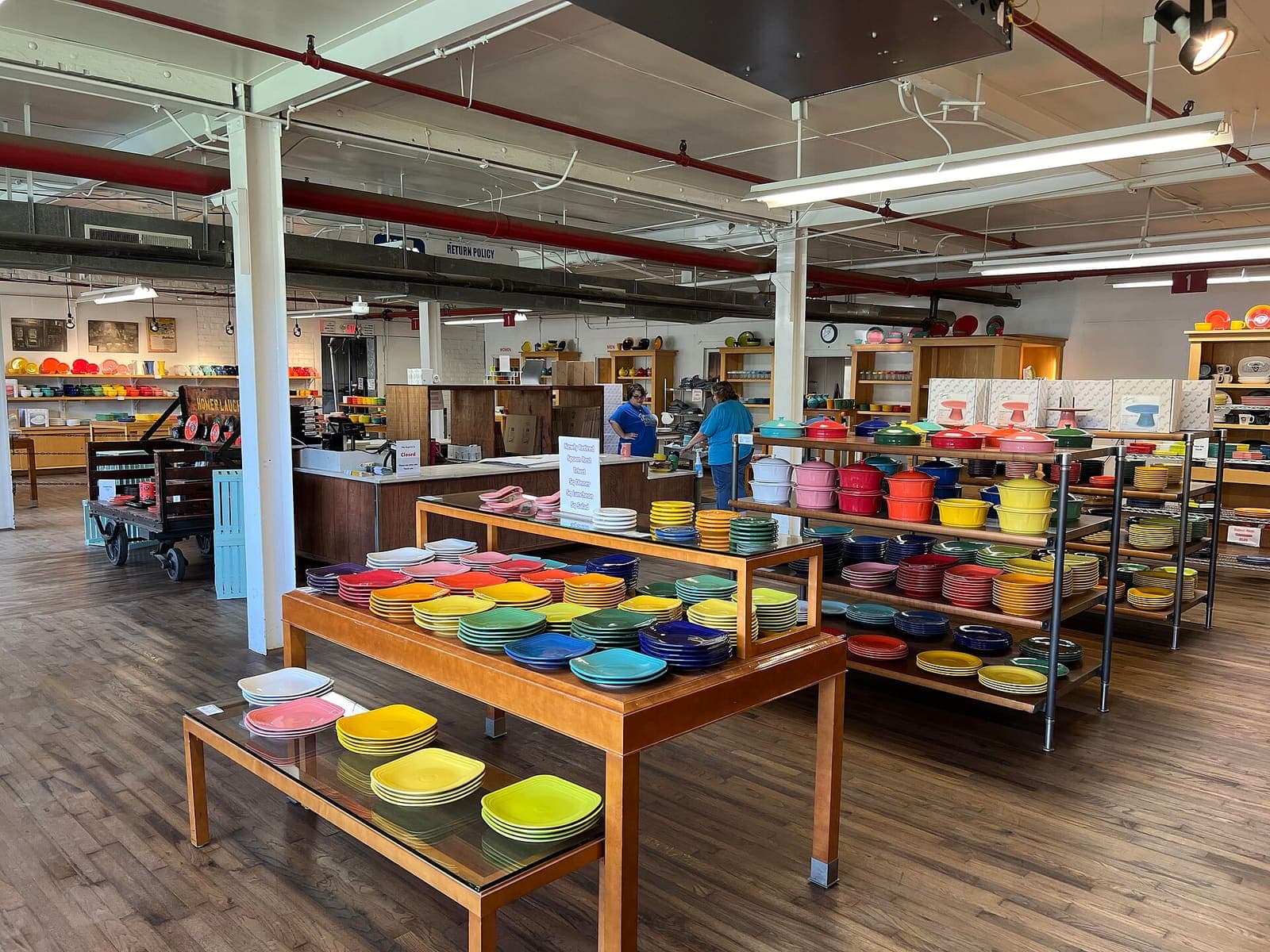
Pottery and glass collecting covers Depression glass, uranium glass, Fiesta dinnerware, Roseville and other American art pottery, mid-century studio pieces and much more. It’s a colorful, accessible category where you can build a beautiful collection from thrift stores and online listings, and where knowing your patterns and marks gives you a real edge.
Value depends on maker, pattern, color, form, rarity and condition. Collectors pay close attention to chips, cracks, hairlines, crazing and wear, and even small damage can lower value significantly. Marks on the base can help identify makers, but they can also be faked, and not every genuine piece is marked. The biggest pitfalls are reproductions, which are common in popular Depression glass patterns and in some art pottery lines, and restorations that hide repairs under paint or glaze. Learning how to tell if Depression glass is real, or whether a pottery mark is genuine, often comes down to comparing details like color, weight, mold quality and base markings.
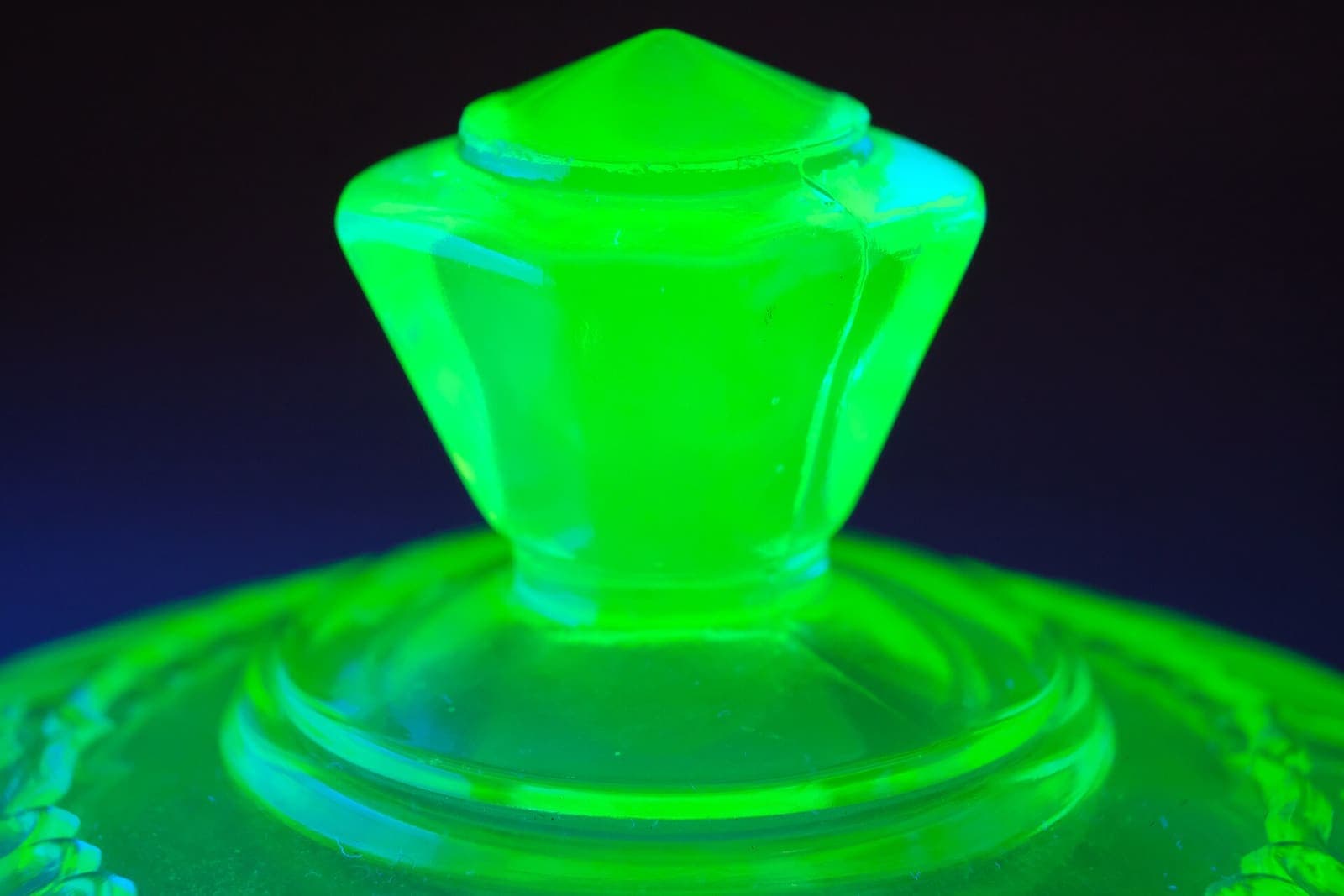
When buying online, ask for photos of the base, marks and any damage in good natural light, and ask directly about chips, cracks and repairs. A blacklight can help reveal some restorations and identify uranium glass, which glows green under UV light. Compare recent sold prices for the same pattern, color and condition. The guides below cover Depression glass reproductions, uranium glass, Fiesta ware and Roseville pottery, with live listings from eBay right below them.
Pottery & Glass guides
The story behind it
Pottery & Glass: common questions
How can you tell if Depression glass is real?+
Compare the piece with verified originals of the same pattern. Reproductions often differ in color, weight, clarity or pattern detail, and some shapes or colors were never made originally. Look for sharp, well-defined molding and check reference guides that list known reproductions. When in doubt, buy from sellers who specialize in Depression glass and guarantee authenticity.
What is uranium glass and is it safe?+
Uranium glass contains small amounts of uranium used as a colorant, often giving it a yellow-green tint and a bright green glow under ultraviolet light. It is widely collected and displayed. The radiation it emits is generally considered very low for normal display, but many collectors avoid using it for food or drink as a precaution.
How can you tell if pottery has been repaired?+
Look for areas where the glaze looks different in shine or texture, and gently tap the piece, since cracks can change the sound. A blacklight can reveal some repairs that glow differently from the original glaze. Feel edges and rims for filled chips. Reputable sellers should disclose restoration, and repaired pieces should be priced well below perfect examples.