Uranium Glass Explained: What the Green Glow Really Tells You
Uranium and Vaseline glass glow vivid green under a black light. Here's what that glow proves, what it doesn't, and how to buy and handle it safely.
By The Grail Hunt · June 27, 2026 · 3 min read
This guide contains eBay affiliate links. If you buy through them we may earn a commission, at no extra cost to you. Read our affiliate disclosure.
Switch on a black light near a shelf of old glass and some pieces suddenly blaze neon green. That's uranium glass — glassware made with a small amount of uranium added as a colorant. It's one of the most fun collecting niches out there, but the glow is often misunderstood. Here's what you need to know before you buy.
What uranium glass is
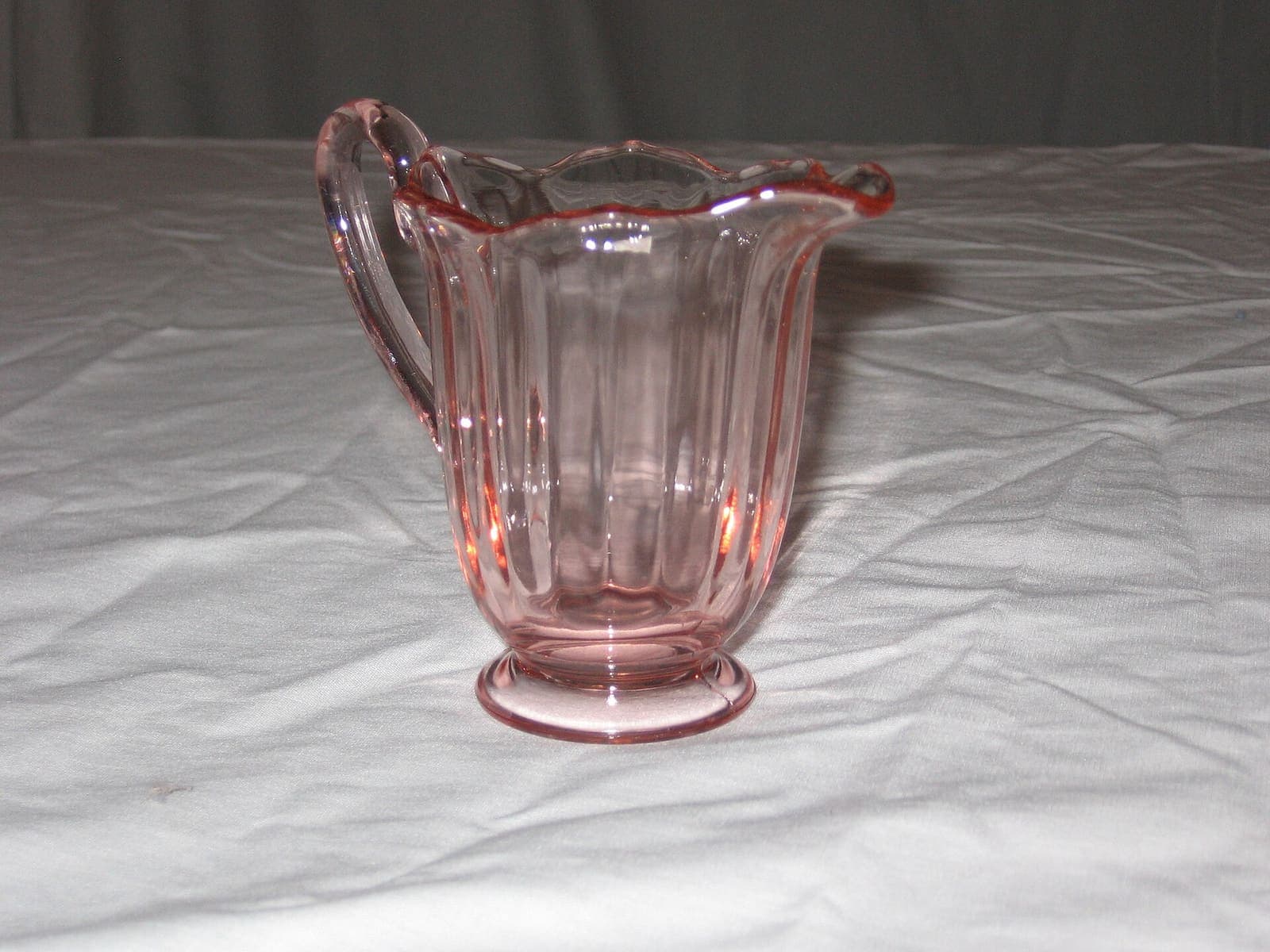
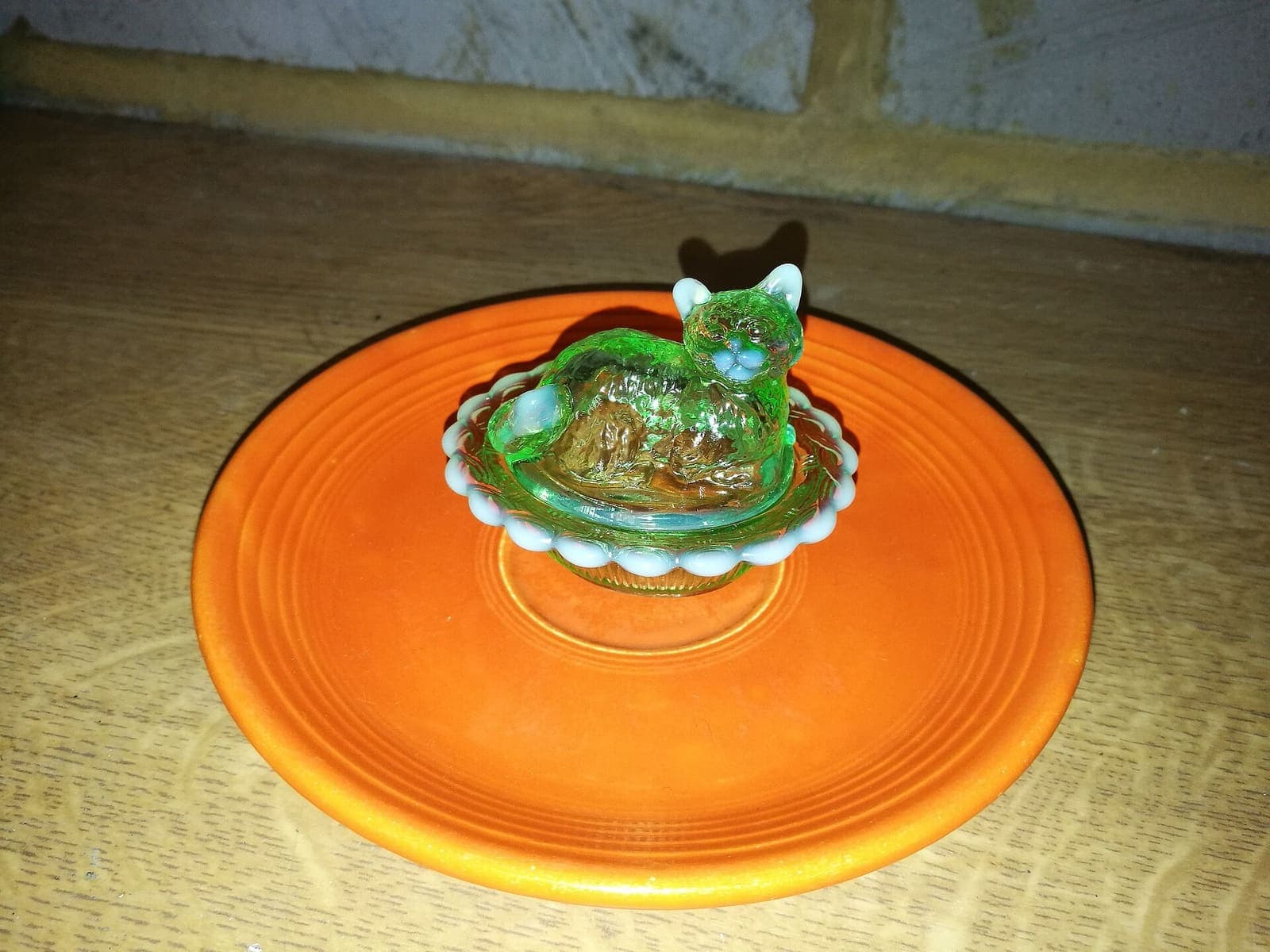
Glassmakers added uranium compounds to glass for color long before anyone worried about radioactivity. The result ranges from pale yellow to yellow-green and even opaque shades, depending on the other ingredients. Collectors use several names:
- Vaseline glass — transparent yellow to yellow-green, named for its resemblance to petroleum jelly
- Custard glass — opaque, creamy yellow
- Uranium-bearing green glass — including some Depression-era green glassware
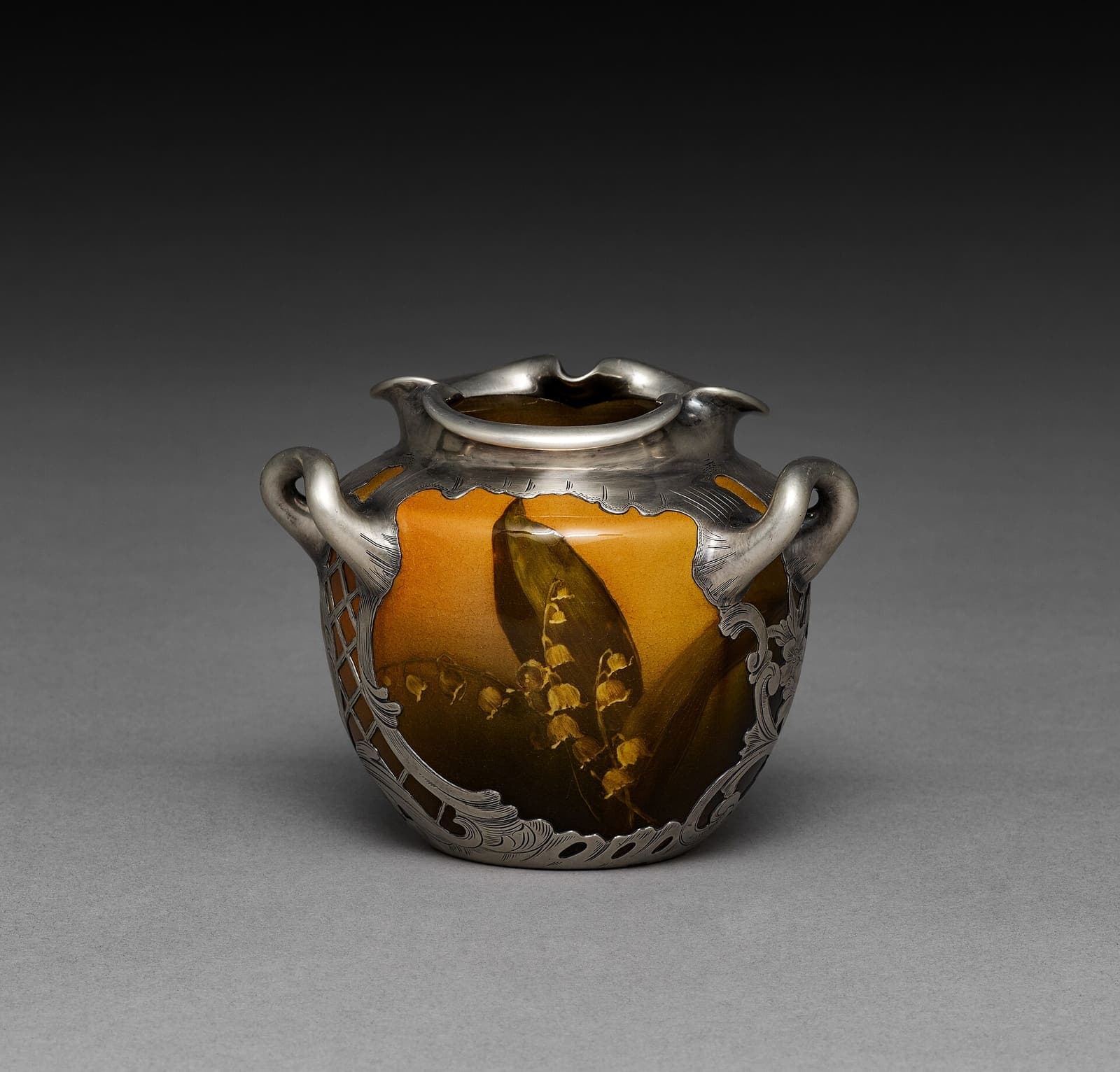
- Burmese and other art glass — some of which contains uranium as part of the recipe
Pressed tableware, candy dishes, lamp parts, beads, marbles and decorative novelties were all made this way.
The UV test
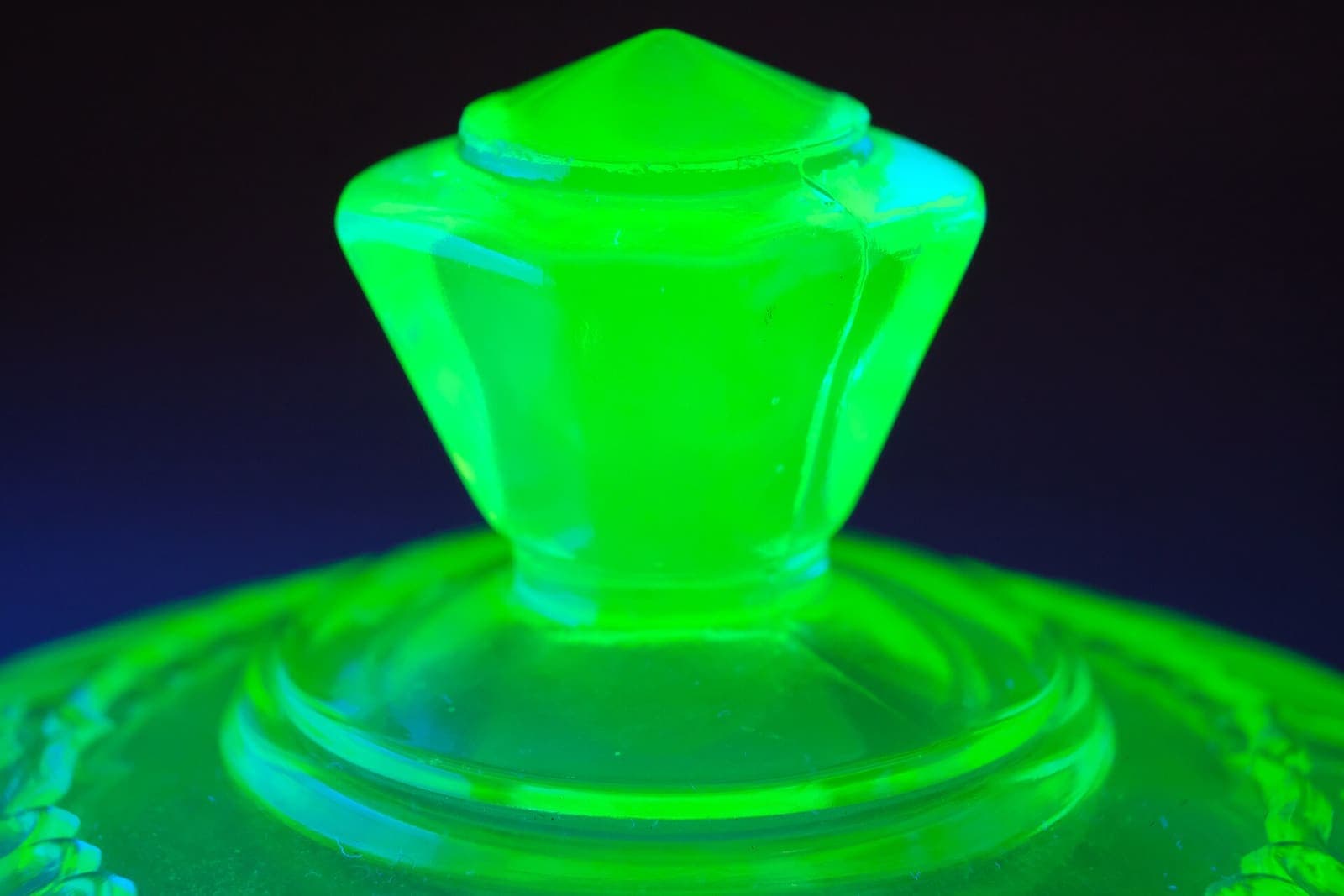
Uranium glass fluoresces bright green under ultraviolet light. A longwave UV flashlight — often sold as 365 nm — gives the clearest result, and it's small enough to carry to shows and flea markets.
A few things to keep in mind:
- The glow should be a vivid, even green. Other ingredients can cause other fluorescent colors, so orange, blue or purple glows don't indicate uranium.
- Test in a dim room; bright daylight washes out the effect.
- Colored or opaque glass may glow more weakly, but should still show that distinctive green.
What the glow doesn't prove
This is where many buyers go wrong. A green glow tells you the glass contains uranium — not how old it is. Uranium glass was most common from the 19th century into the mid-20th century, and its use dropped sharply in the U.S. when uranium became strictly controlled around World War II. But production resumed in later decades, and uranium glass is still made today, including novelty pieces and new pressings from old molds.
So treat the glow as one clue among several. Look at mold quality, wear, and whether the shape and color match known period examples.
Spotting reproductions
Many popular patterns and novelty shapes have been reproduced in uranium glass. Common warning signs include:
- Crisp, unworn bases on a piece described as a century old
- Weak or soft pattern detail from molds taken off an original
- Shapes or colors that don't appear in reference books for that maker or pattern
- Too many identical pieces from the same seller
Genuine older pieces usually show gentle base wear — fine scratches from decades of sliding on shelves and tables.
Condition matters
Check carefully for chips, cracks and flea bites on rims and bases, and for cloudiness or "sick glass" inside vases and pitchers, which is very hard to remove. A UV light can help here too: chips and repairs sometimes show up clearly against the glow.
Grail Hunt tip: Ask the seller for two photos — one in normal light and one under a UV light — plus a close-up of the base. It confirms the uranium content and shows wear in one quick exchange.
Safe handling
The uranium content in most glassware is small, and collectors generally regard display pieces as low risk. Sensible habits still apply: don't eat or drink from it, avoid grinding, cutting or sanding it, wash your hands after handling large groups, and keep broken shards out of reach of kids and pets.
Buying safely online
Confirm dimensions, condition and any damage in writing. Fragile glass should be wrapped individually and double-boxed. Pay using a method with buyer protection so you're covered if a piece arrives damaged or not as described.
The bottom line
A green glow confirms uranium, not age. Combine the UV test with close inspection of wear, pattern detail and known shapes, and you'll build a collection that shines for the right reasons.
The story behind it
More Pottery & Glass guides