Depression Glass or Reproduction? A Collector's Field Test
Pink, green and amber Depression glass is affordable and beautiful — and widely reproduced. How to tell the originals from the copies.
By The Grail Hunt · August 14, 2026 · 2 min read
This guide contains eBay affiliate links. If you buy through them we may earn a commission, at no extra cost to you. Read our affiliate disclosure.
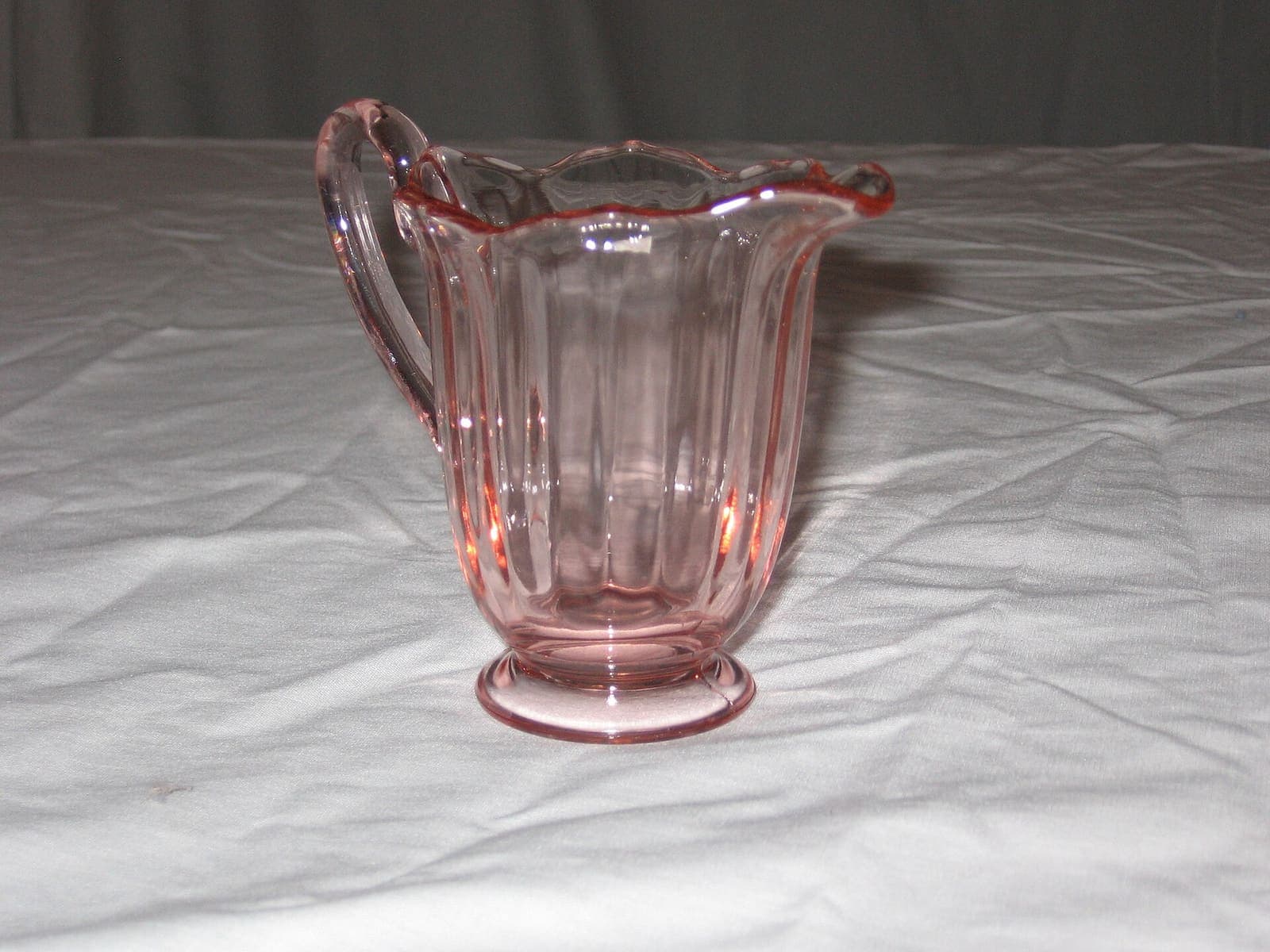
Depression glass — the colorful, mass-produced glassware made in America roughly from the late 1920s through the 1930s — was once given away in cereal boxes and at movie theaters. Today it's one of the most popular and affordable collecting areas. It's also been reproduced for decades, so it pays to know the difference.
What Depression glass is
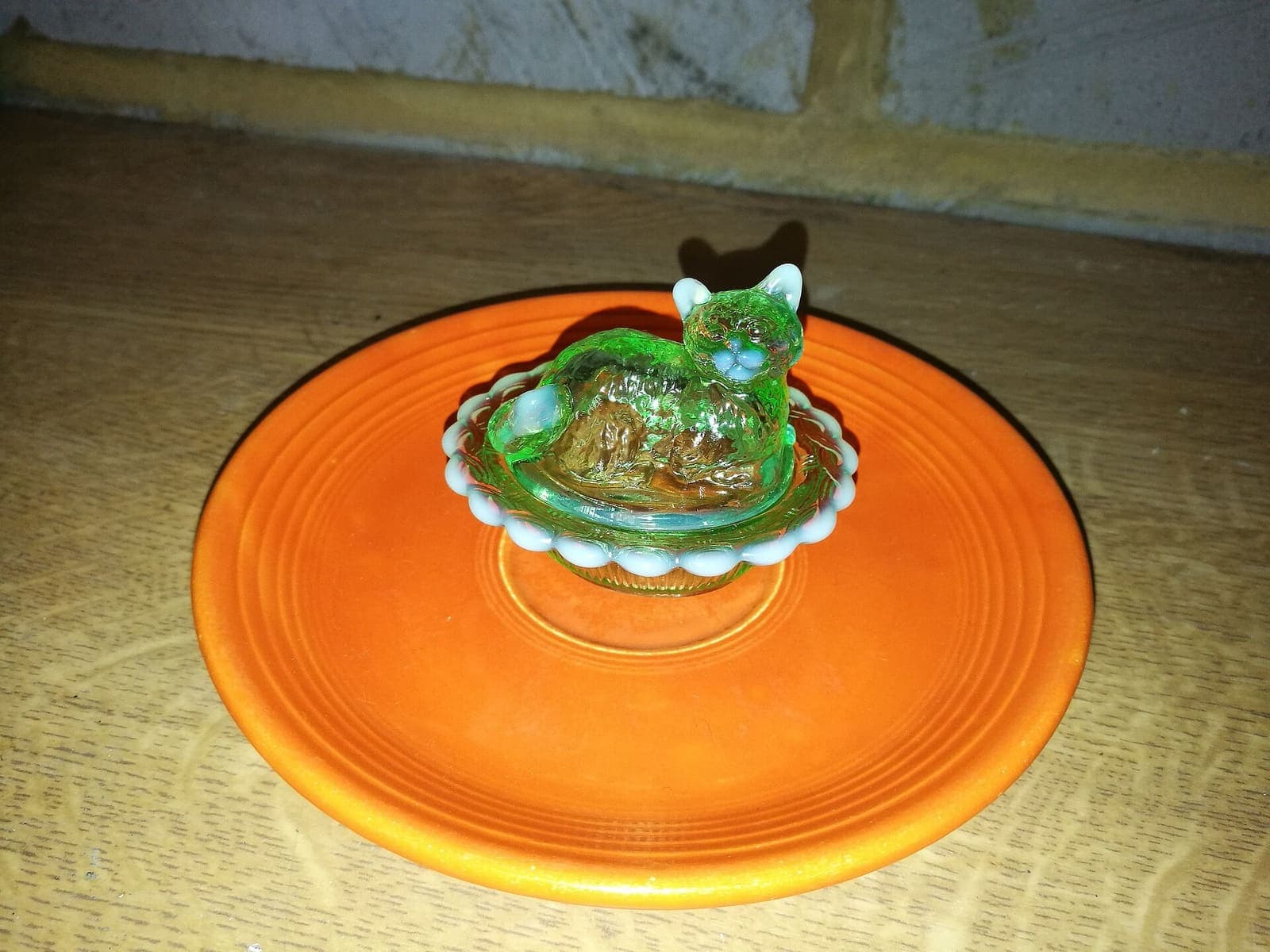
It was made cheaply, in huge quantities, by companies like Anchor Hocking, Hazel-Atlas, Federal Glass, Jeannette and Indiana Glass. Common colors include pink, green, amber, yellow, clear and cobalt blue, in dozens of named patterns such as Cherry Blossom, Madrid, Miss America and Royal Lace.
Because it was made quickly, genuine pieces often have small imperfections — tiny bubbles, slight mold roughness or straw marks. Those flaws are normal.
Identify the pattern first
Collectors identify Depression glass by pattern name, and reference guides picture every piece. Once you know the pattern, you can research which pieces and colors are known to have been reproduced — some patterns have been copied extensively, others hardly at all.
Signs of a reproduction
Every pattern has its own tells, but common general clues include:
- Color that's slightly off. Reproduction pinks and greens are often a bit too bright, too dark or have a different tint than originals.
- Weak or muddy pattern detail. Molds made from original pieces lose crispness.
- Weight and thickness. Reproductions can feel heavier or thicker.
- Shapes or colors that were never made. A piece in a color not listed for that pattern is a red flag.
Some companies also reissued their own patterns later. Indiana Glass, for example, reissued Madrid as "Recollection," with a date mark added — and reproduction dates can later be ground off.
The black-light trick
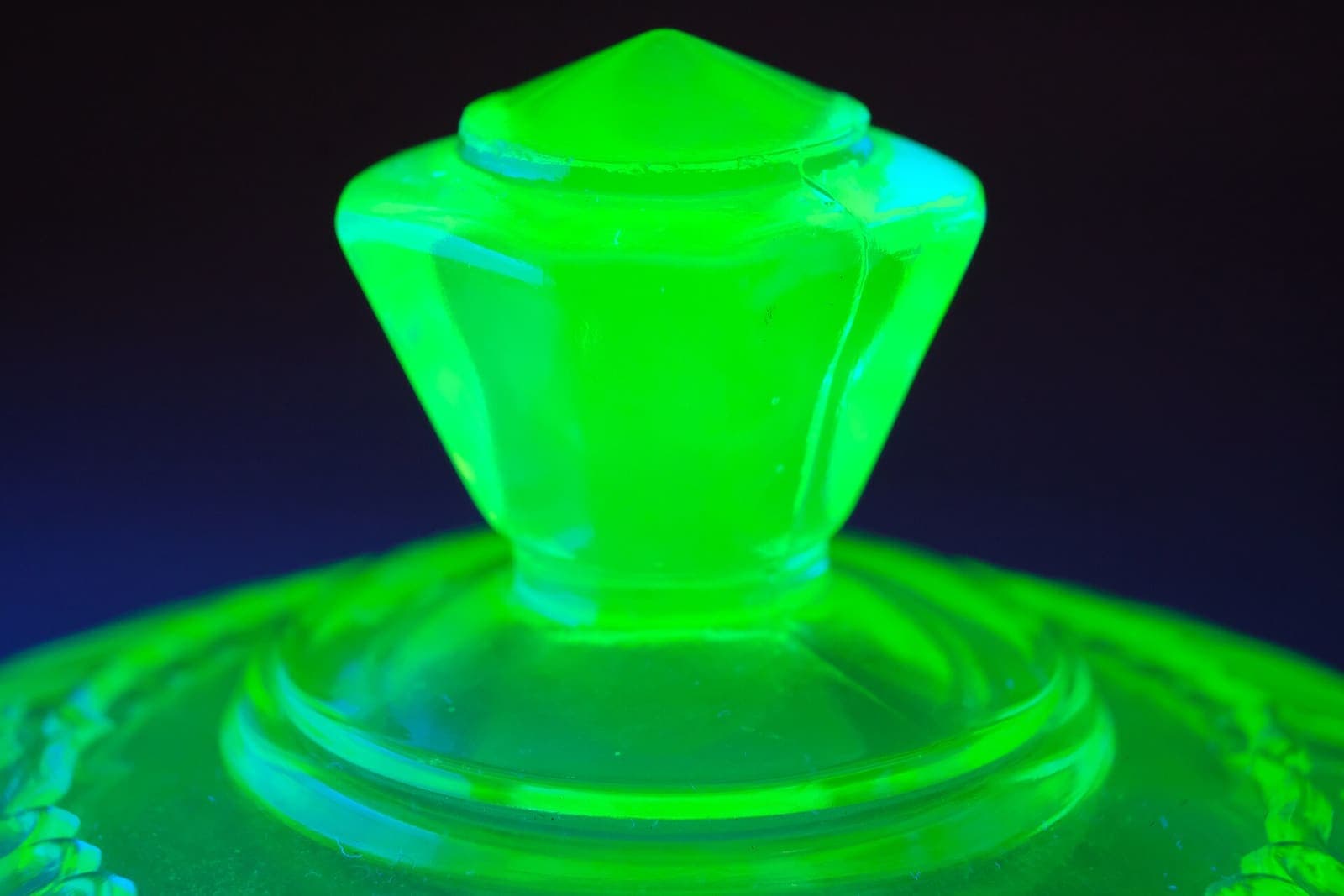
Some green Depression glass contains uranium, and it glows bright green under an ultraviolet (black) light. A glow isn't proof of age on its own — uranium glass has been made at other times too — but it's a useful quick test alongside everything else.
Grail Hunt tip: Ask sellers about chips, cracks and cloudiness ("sick glass"), and look for close-ups of rims and edges. Small chips on rims are easy to miss in photos and significantly lower value.
The bottom line
Identify the pattern, learn which pieces were reproduced, and compare color, detail and weight against known originals. With a reference guide in hand, Depression glass is one of the most rewarding — and affordable — hunts around.
More Pottery & Glass guides