Collecting Roseville Pottery: Patterns, Fake Marks and Hidden Repairs
Roseville is one of America's most collected art potteries — and one of the most copied. How to judge marks, glazes, damage and restoration before buying.
By The Grail Hunt · June 26, 2026 · 3 min read
This guide contains eBay affiliate links. If you buy through them we may earn a commission, at no extra cost to you. Read our affiliate disclosure.
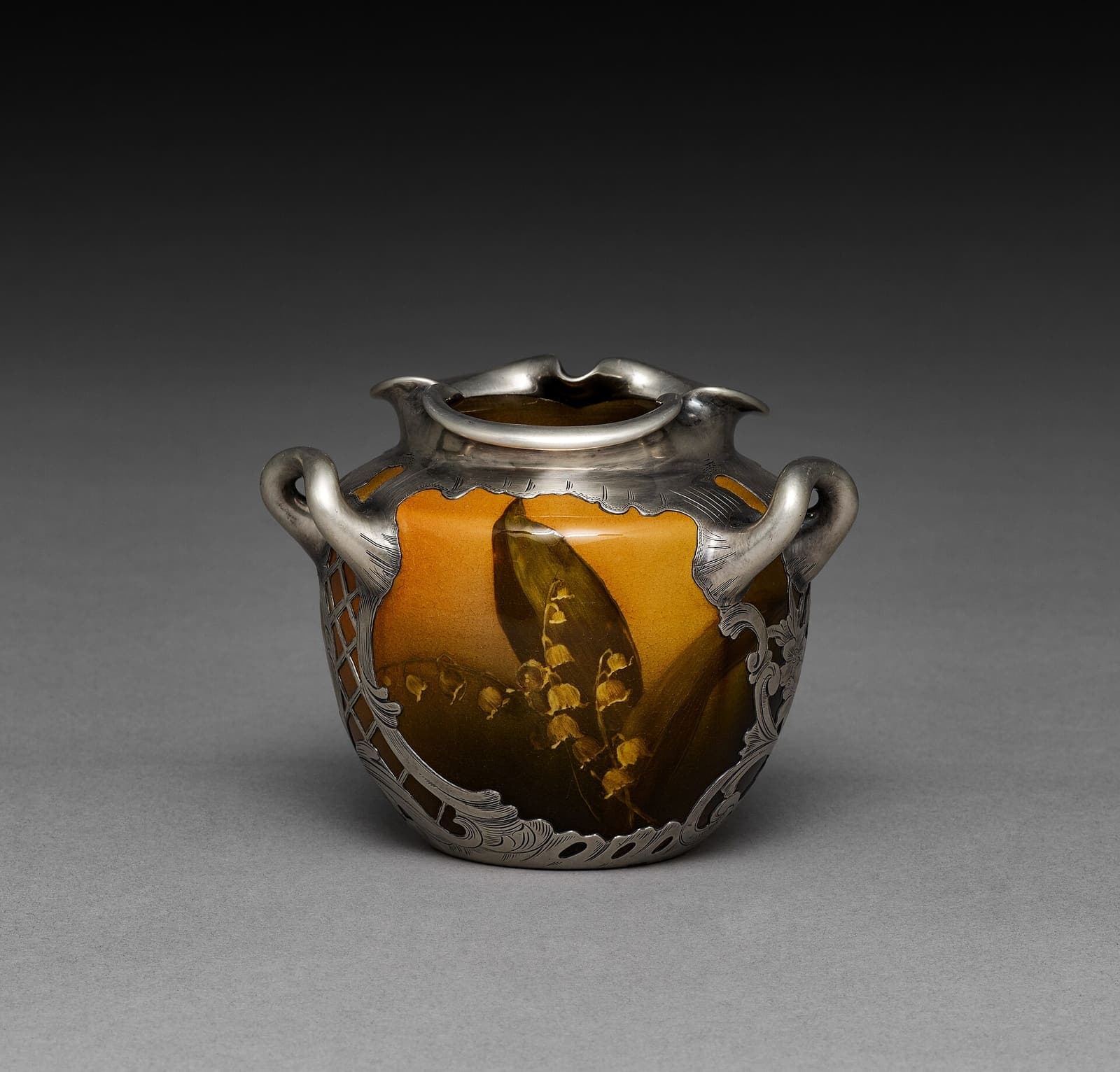
Roseville Pottery of Ohio produced some of the most beloved American art pottery of the early and mid-20th century, from moody Arts and Crafts designs to cheerful floral patterns. Its popularity has also made it a favorite target for reproductions with fake marks. The good news: once you know what real Roseville looks and feels like, most copies give themselves away.
Learn the patterns
Roseville is collected by pattern name, and there are many of them. Well-known examples include Pinecone, Futura, Sunflower, Blackberry, Magnolia, Freesia, Zephyr Lily, Snowberry and Wisteria. Each has characteristic shapes, colorways and molded details, and reference books illustrate them along with shape numbers and sizes.
Start by identifying the pattern and colorway, then check that the shape and size match a known production piece. Desirability varies widely by pattern, color, size and form — larger, earlier and more unusual pieces generally attract the most interest.
Understand the marks
Roseville's marking practices changed over time, which is exactly what fakers exploit:
- Many pieces from the 1920s and 1930s were unmarked or carried only a paper label, which has often been lost.
- Later production commonly has a raised molded mark reading "Roseville U.S.A." along with a shape number and size.
- Some earlier lines used ink stamps or impressed marks.
The key lesson: a crisp raised mark on a pattern that's normally found unmarked is a red flag, not a reassurance. Compare any mark to documented examples for that specific pattern.
Spotting reproductions
Reproductions — many imported since the 1990s — often share these tells:
- Muddy or overly glossy glazes with colors that don't blend the way originals do
- Soft, blurry molded detail, especially on leaves, flowers and handles
- Wrong weight — noticeably heavier or lighter than a comparable genuine piece
- Marks with off fonts or spacing, or marks that look added rather than molded in
- Unusual base finishes — too clean, too white or glazed differently from originals
Handle known genuine pieces whenever you can, at shows, shops or museums. Your hands will learn the difference faster than any checklist.
Crazing, chips and cracks
Crazing — a network of fine lines in the glaze — is common on older pottery and usually a minor issue unless it's heavy or stained. More serious problems include:
- Chips on rims, handles, bases and raised decoration
- Hairline cracks, often running down from the rim
- Glaze flakes and kiln flaws, some original to manufacture
Honest sellers will distinguish manufacturing flaws from later damage, but always ask.
Checking for restoration
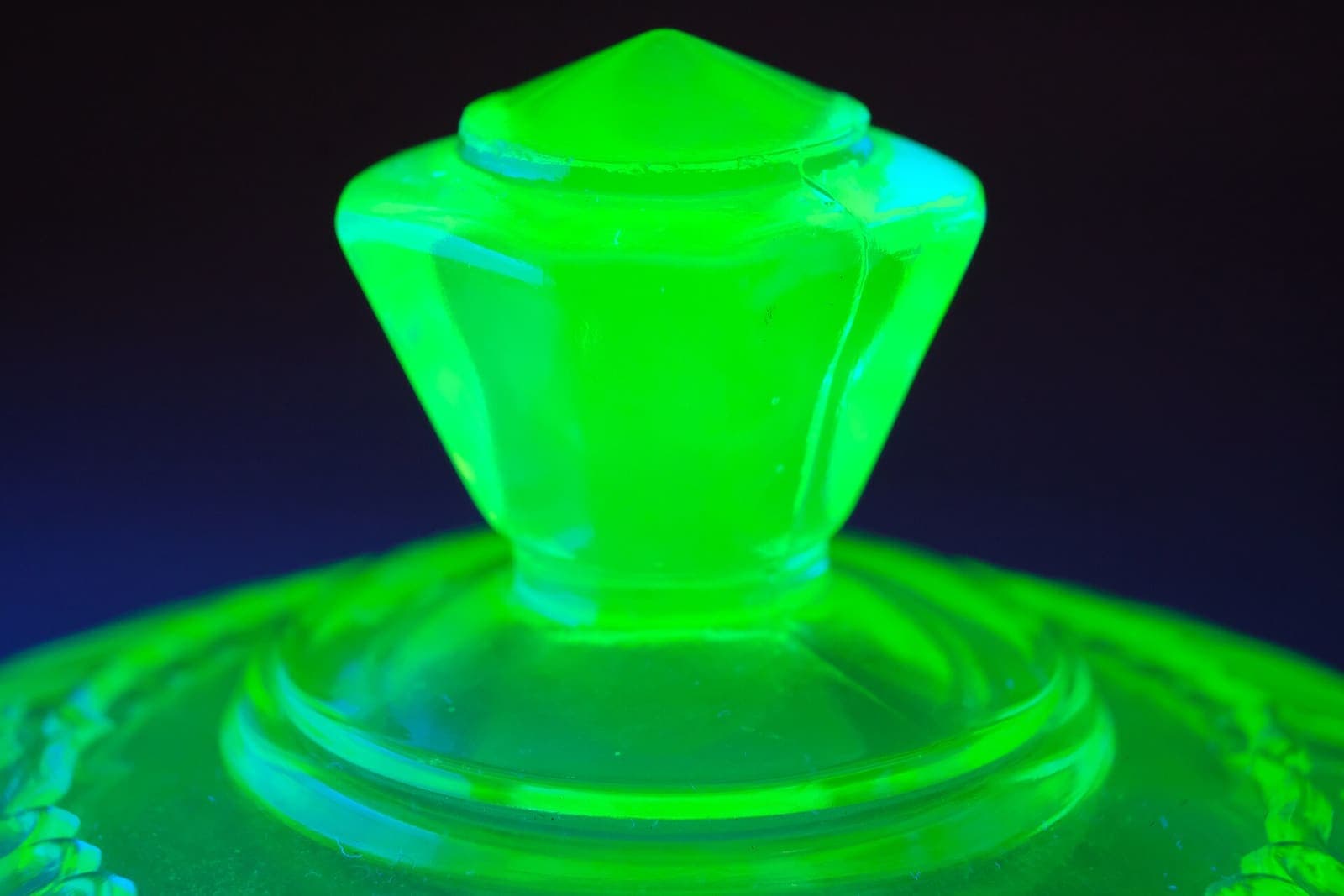
Professional restoration can be nearly invisible in photos. A longwave UV black light is a valuable tool: fired glaze usually fluoresces fairly evenly, while paints, fillers and epoxies often show up as patches of different color or brightness. Run the light slowly over rims, handles and flowers, where repairs are most common. Restoration isn't automatically a deal-breaker, but it significantly affects value and should be disclosed and priced accordingly.
Grail Hunt tip: Ask the seller to confirm in writing that the piece has no chips, cracks or restoration, and to photograph it under a black light. A seller who's confident in the piece will usually agree.
Buying safely online
Request photos of every side, the base and the mark, and ask for exact height. Compare dimensions to reference listings for that shape number. Insist on careful packing: pottery should be wrapped, suspended in padding and double-boxed. Pay with a method that offers buyer protection, and inspect the piece promptly on arrival.
The bottom line
Know your patterns, learn which ones were typically unmarked, and study glaze and molded detail. Add a black-light check for restoration, and you'll collect genuine Roseville with confidence.
More Pottery & Glass guides