🏎️ Die-Cast Cars
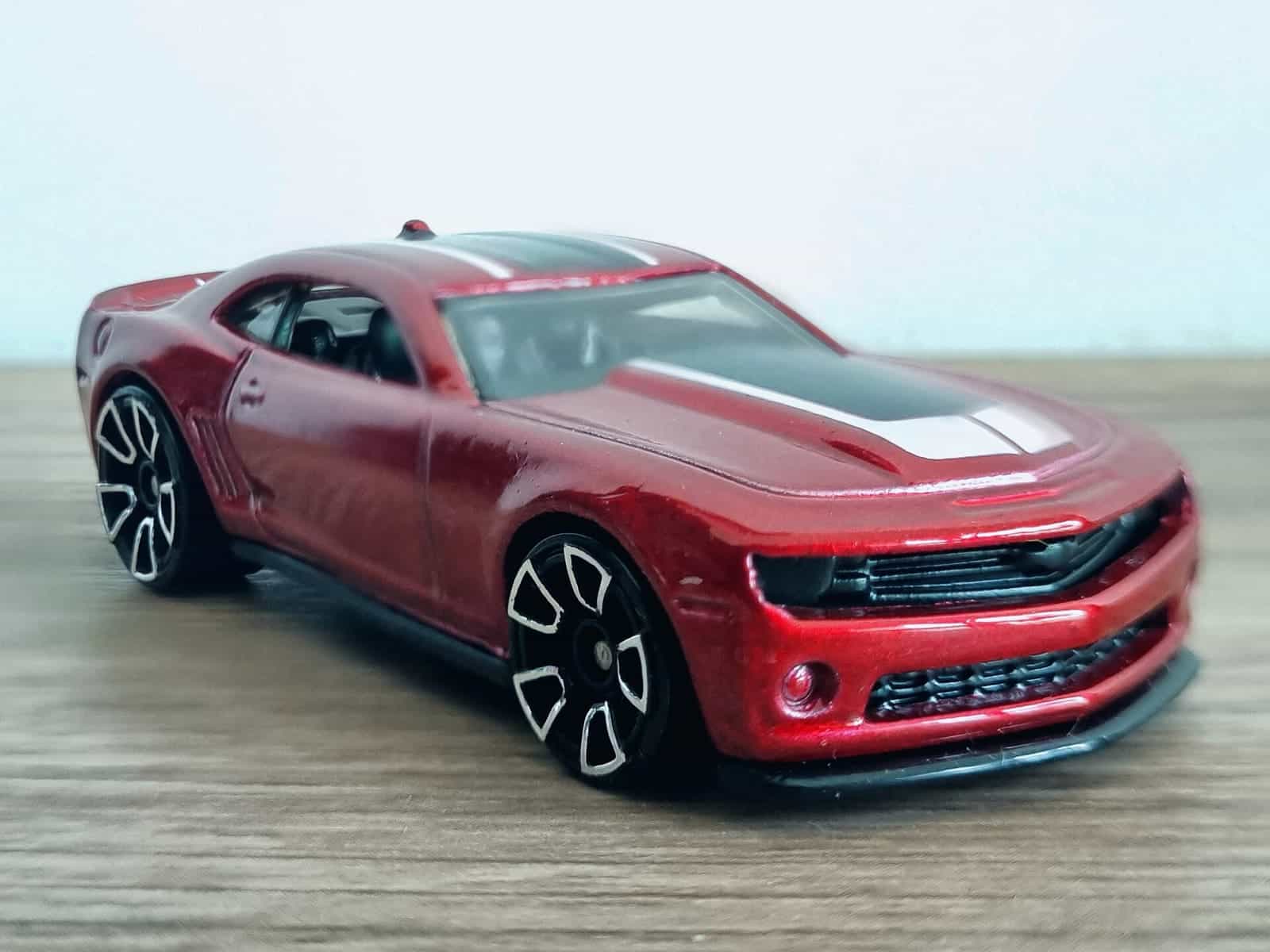
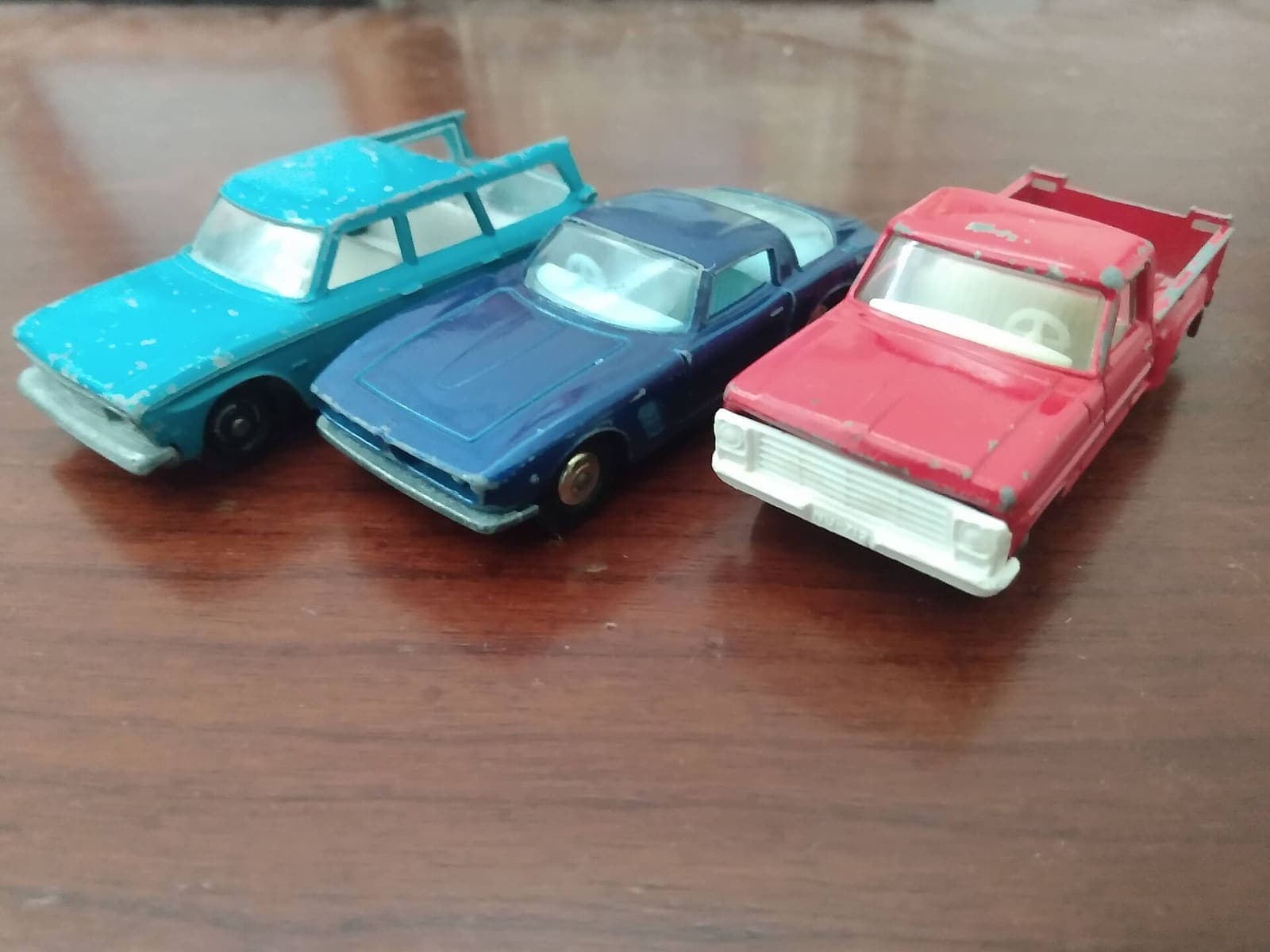
Hot Wheels Redlines, Matchbox and 1:18 scale models.
Photo: BenedictLiang / CC0
Die-cast cars: Hot Wheels Redlines, Matchbox and scale models
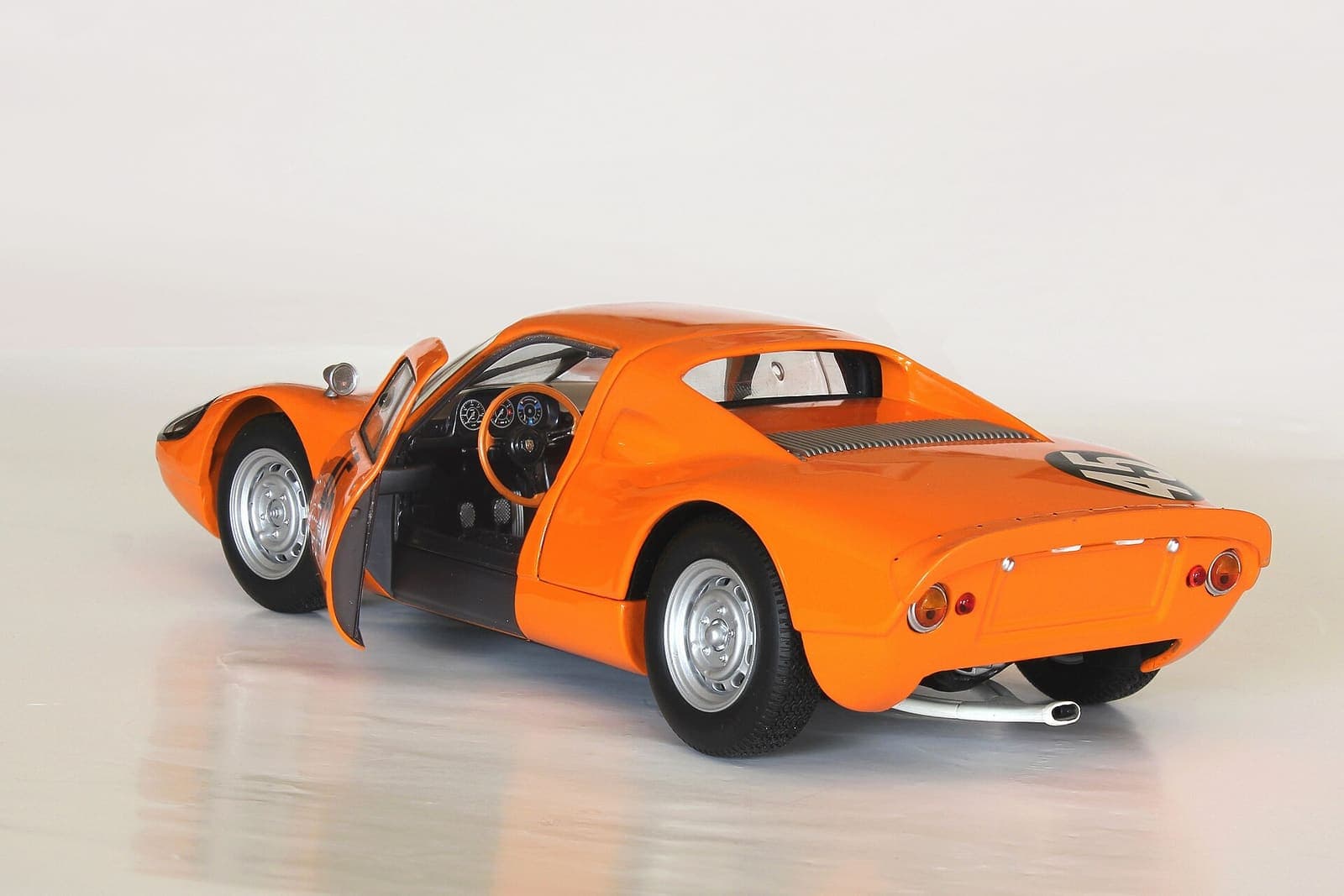
Die-cast collecting covers vintage Hot Wheels Redlines, classic Matchbox models from the Lesney era, modern treasure hunts and detailed 1:18 and 1:43 scale models of real cars. It’s a hobby that rewards sharp eyes, because small details like wheel type, paint color and base markings can separate a common car from a highly sought one.
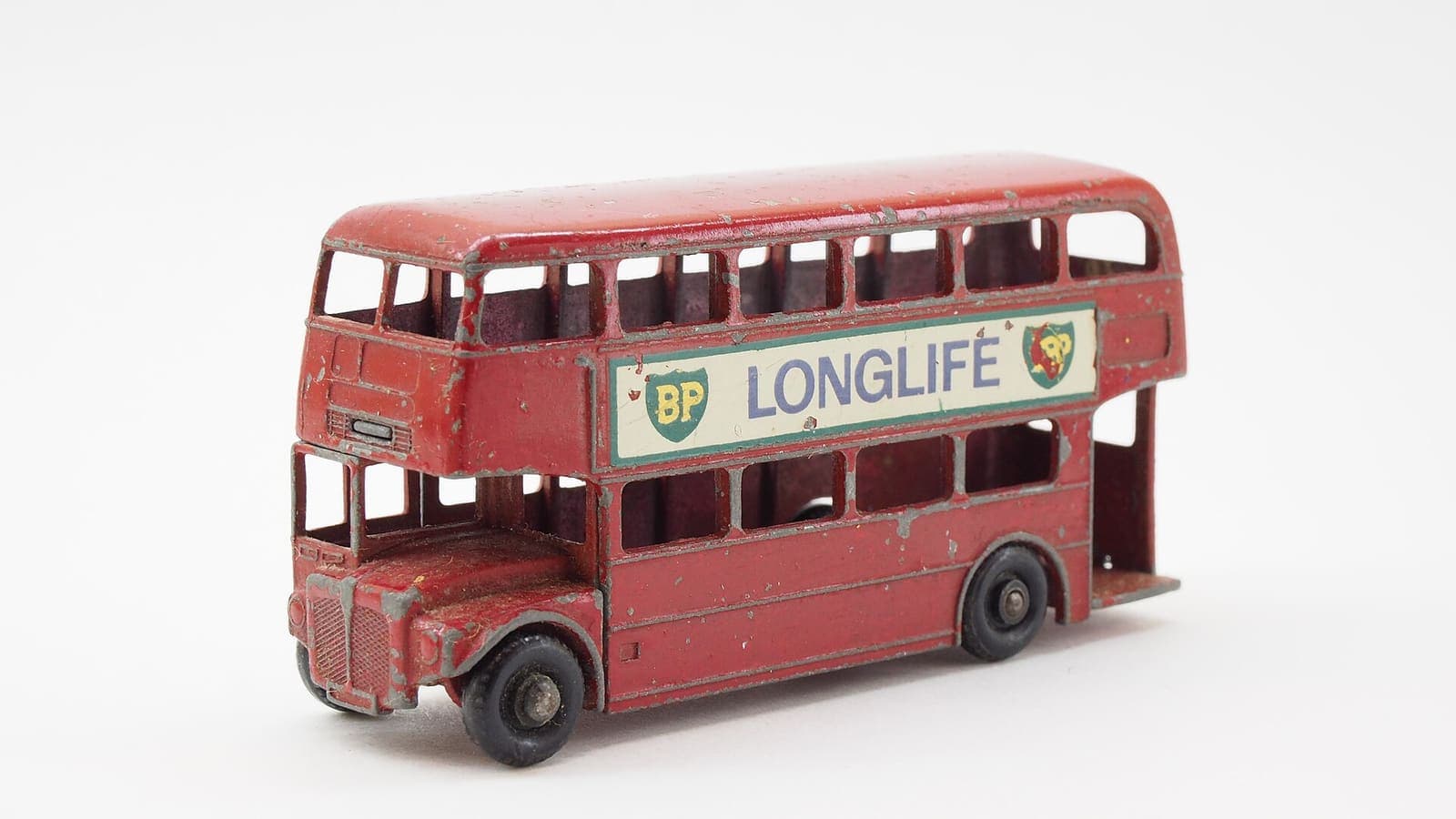
Several things drive die-cast car value: the casting, the color, the variation and condition. With Redlines, the original paint finish and wheels matter a great deal, and some colors are far scarcer than others. With Lesney Matchbox models, original boxes often add substantially to value. Scale models are judged on detail, completeness and whether the original packaging survives. The main pitfalls are restorations and fakes: repainted bodies, replacement wheels, reproduction boxes and parts swapped between cars can all be hard to spot in small photos. Learning how to tell if a Hot Wheels Redline is original, from rivets to wheel details, protects you when prices climb.
When buying online, ask for close-ups of the base, rivets, wheels and any chips, and be wary of paint that looks too perfect on a car that is decades old. Compare the exact casting, color and condition against recent sold prices rather than asking prices, and check whether a box is original or reproduction. The guides below cover Redlines, Matchbox Lesney models, scale model cars and vintage tin toys, and you’ll find live listings from eBay right below.
Die-Cast Cars guides
The story behind it
Die-Cast Cars: common questions
What Hot Wheels cars are worth money?+
The most valuable Hot Wheels are generally Redline-era cars from the late 1960s and 1970s, especially rare castings, scarce colors and examples in excellent or unplayed condition. Prototypes, errors and cars still in original blister packs also command strong prices. Most modern mainline cars are common, though treasure hunts and some special editions have a dedicated following.
How can you tell if a die-cast car has been restored?+
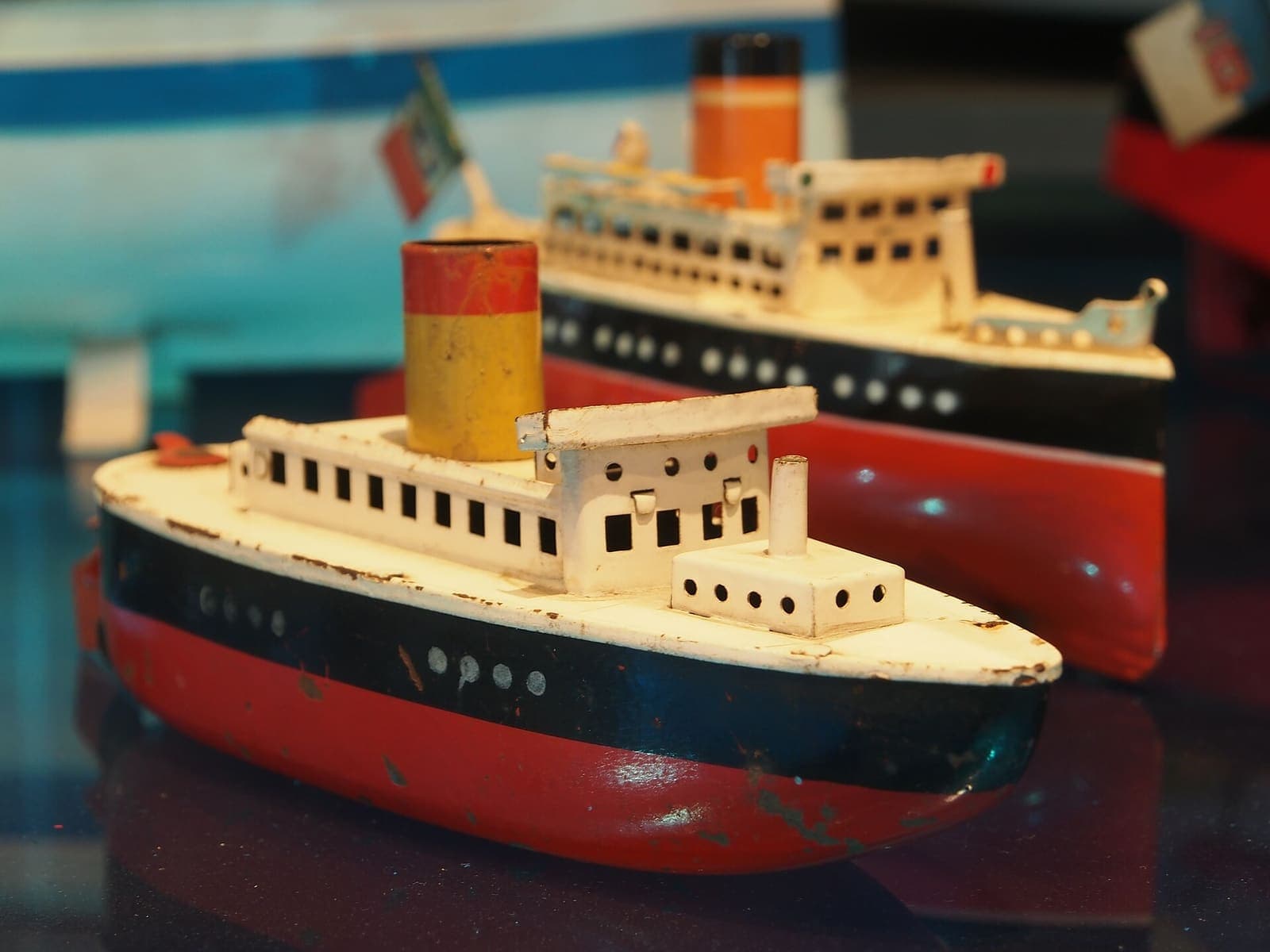
Look closely at the rivets on the base, since drilled or replaced rivets suggest the car was taken apart. Check for paint on the base, uneven finish, or colors that don’t match known originals. Replacement wheels and axles may look slightly different from factory parts. Restored cars can still be nice to own, but they should be priced well below originals.
Does the original box matter for Matchbox cars?+
Yes, often a great deal. For vintage Lesney-era Matchbox models, an original box in good condition can significantly raise the value, and crisp boxes are sometimes scarcer than the cars themselves. Reproduction boxes exist, so check printing quality, card stock and model details. A car and box that clearly belong together is always more desirable.