Die-Cast Scale Model Cars: Scales, Collector Brands and Complete Boxes
From 1:64 to 1:18, collector-grade model cars reward careful buying. How to choose a scale, judge editions and boxes, and avoid shipping damage online.
By The Grail Hunt · July 13, 2026 · 3 min read
This guide contains eBay affiliate links. If you buy through them we may earn a commission, at no extra cost to you. Read our affiliate disclosure.
Die-cast scale models range from pocket-size toys to finely detailed replicas with opening doors, carpeted interiors and working steering. For collectors, the fun is in choosing a focus — a scale, a marque, a racing series — and hunting down the best examples. Here's what to know before you buy.
Understand the scales
Scale describes how much smaller the model is than the real car. The most popular collector scales are:
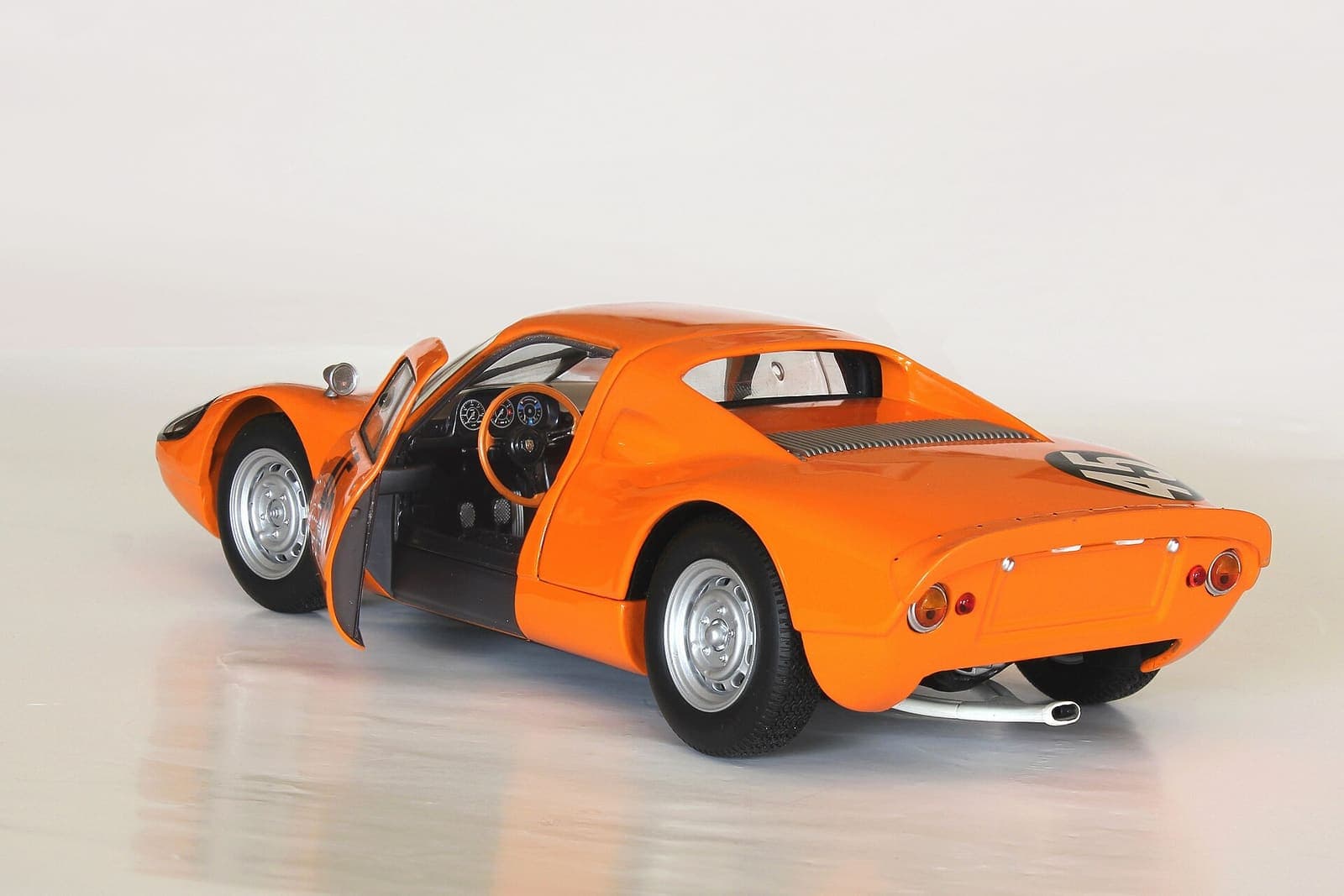
- 1:18 — large display models, typically around 10 to 12 inches long for a typical car. They often feature opening doors, hoods and trunks, and they make a statement on a shelf.
- 1:43 — a long-established collector scale, roughly 4 inches long for a typical car. It balances detail with space, making it ideal for large themed collections.
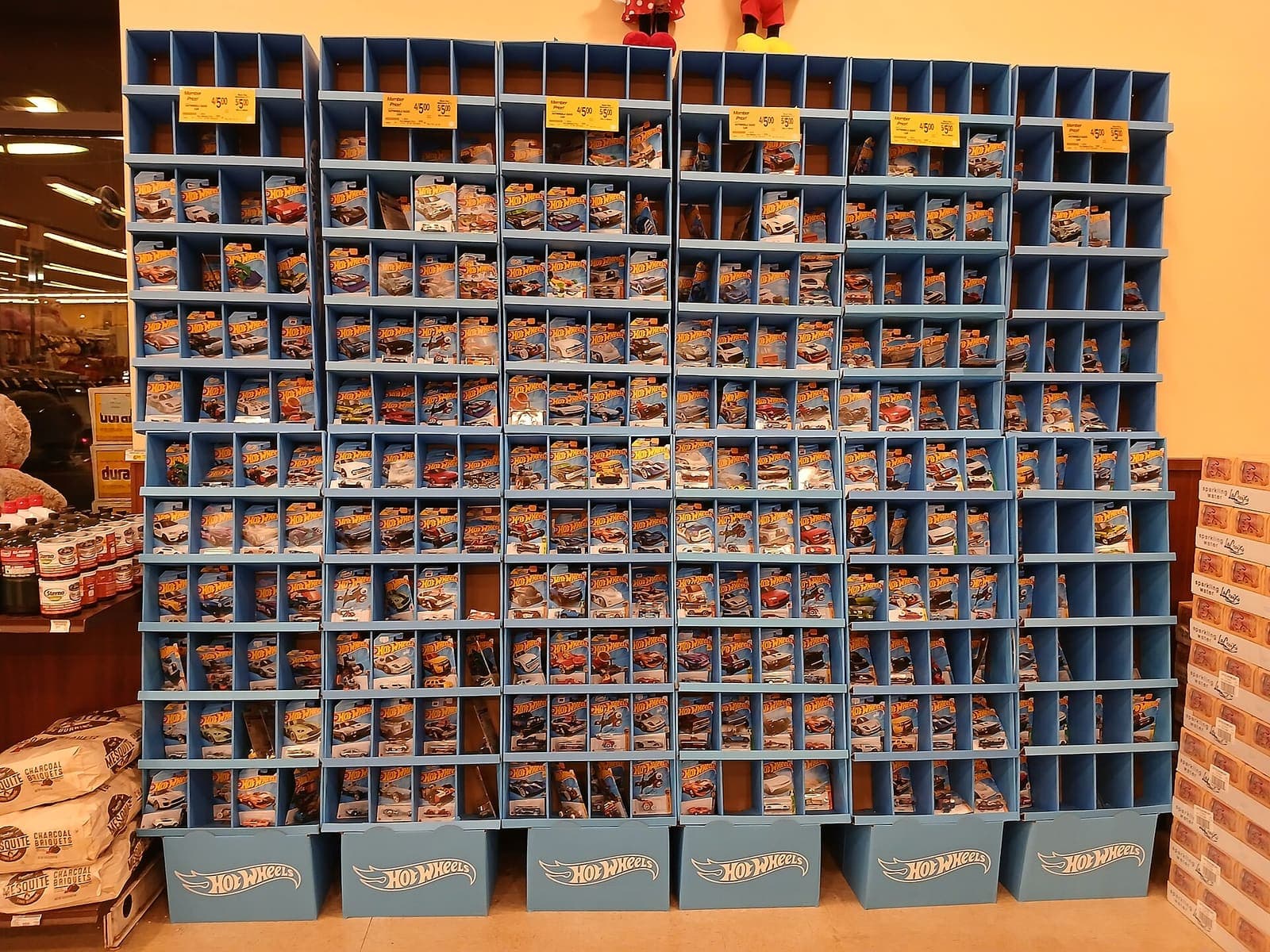
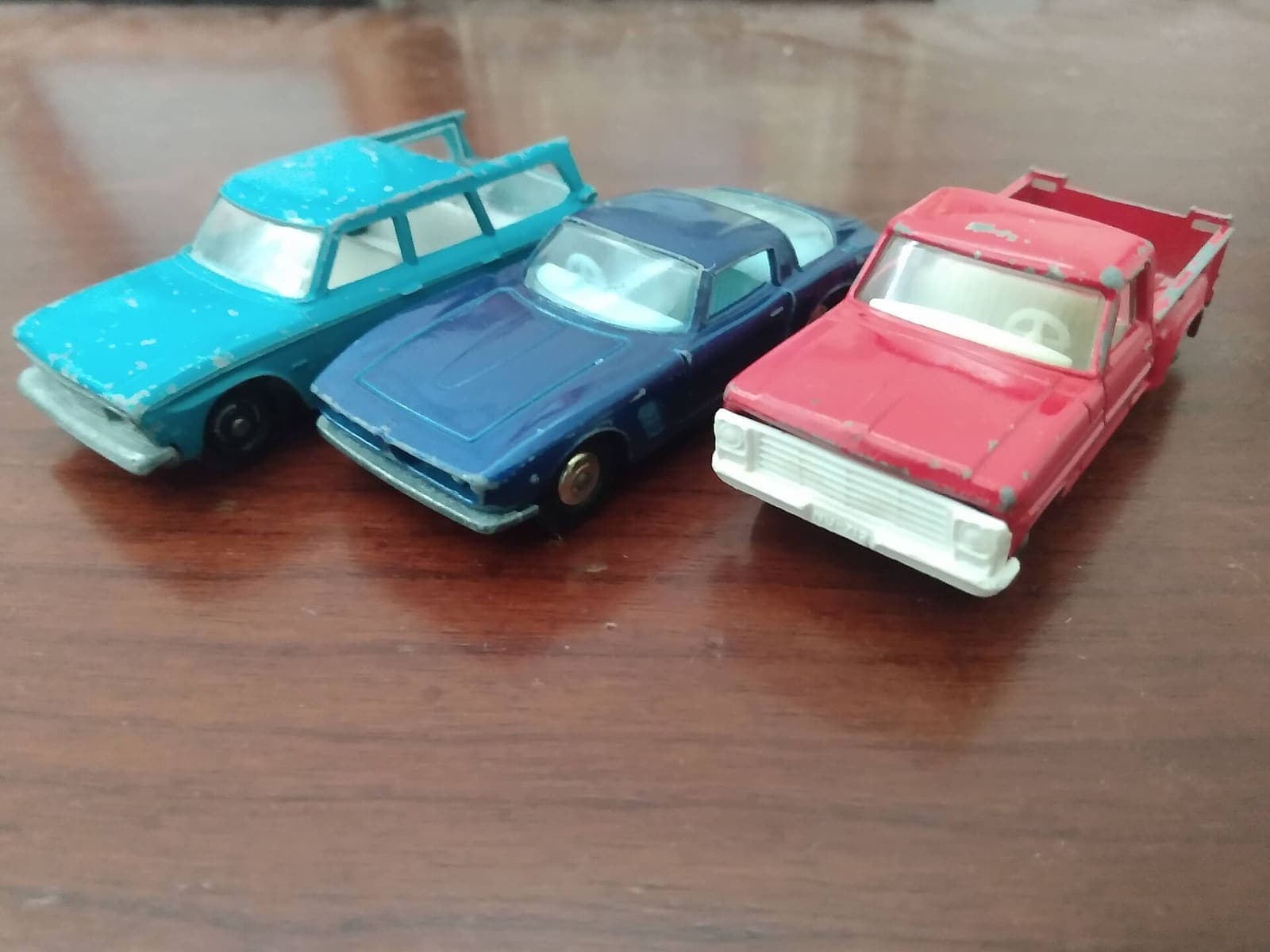
- 1:64 — about the size of classic toy cars. Once mostly for kids, the scale now includes plenty of detailed collector-focused models at affordable prices.
Pick a scale and stick with it if you can — a collection in one scale displays much more cohesively.
Collector models vs toys
Not every die-cast car is aimed at collectors. Toy-grade models are built to be played with, with simplified shapes and durable parts. Collector-grade models focus on accuracy, with detailed interiors, realistic paint and photo-etched parts. Many specialist brands produce collector-grade models, and some also make sealed resin models — highly detailed but with no opening parts.
Know which you're buying. Listings sometimes describe inexpensive toy-grade models in collector-grade language.
Limited editions and certificates
Many collector models are produced in limited editions, sometimes numbered individually. A limited edition may include:
- A numbered certificate or a number on the base or display plinth
- Special packaging or a presentation box
- Unique paint schemes, race liveries or driver signatures
A smaller production run can make a model more desirable, but "limited edition" alone doesn't guarantee strong demand. Popular cars, liveries and brands tend to matter more.
Box and certificate completeness
For collector models, the packaging is part of the package. A complete example typically includes:
- The original outer box or sleeve
- Inner packaging — foam, plastic trays or clamshells
- Mounting screws that attach the model to its base
- Certificates, booklets and accessories, such as spare parts or display cases
Missing boxes and certificates can significantly reduce value and make resale harder.
Condition and common issues
Inspect models carefully. Common issues include:
- Broken or missing small parts — mirrors, wipers, antennas and spoilers
- Paint defects — chips, rubs, bubbles or orange peel
- Loose or detached parts from dried-out glue
- Zinc pest — some older die-cast alloys can crack, swell or crumble over time, and it can't be reversed
- Yellowed or cloudy clear parts
Shipping damage and buying safely
Detailed models are fragile, and shipping is where many are damaged. Before you buy, ask the seller how they'll pack the model. Look for:
- The model screwed to its base or secured in its original tray
- Double boxing, with padding between the boxes
- No loose parts rattling around
If a model arrives damaged, photograph everything — the outer package, the inner packaging and the model — before you unpack further.
Grail Hunt tip: Ask the seller to confirm that the model is still secured to its base and that all mirrors, antennas and small parts are attached. Then ask how they plan to pack it. A seller who takes packing seriously usually takes care of their models too.
Request photos of all sides of the model, the underside, the box and any certificate. Ask about smoking households, sun exposure and storage conditions, and keep the answers in eBay messages. Check the return policy and buyer protections before you commit.
The bottom line
Choose a scale, learn the difference between collector-grade and toy-grade models, and value complete boxes and certificates. With careful inspection and good packing, your collection will stay as sharp as the cars it celebrates.
The story behind it
More Die-Cast Cars guides