Lesney Matchbox Cars: Regular Wheels, Superfast and Box Types Explained
Lesney-era Matchbox models are small British classics. How to tell regular wheels from Superfast, read box types and spot restorations before you buy.
By The Grail Hunt · July 14, 2026 · 3 min read
This guide contains eBay affiliate links. If you buy through them we may earn a commission, at no extra cost to you. Read our affiliate disclosure.
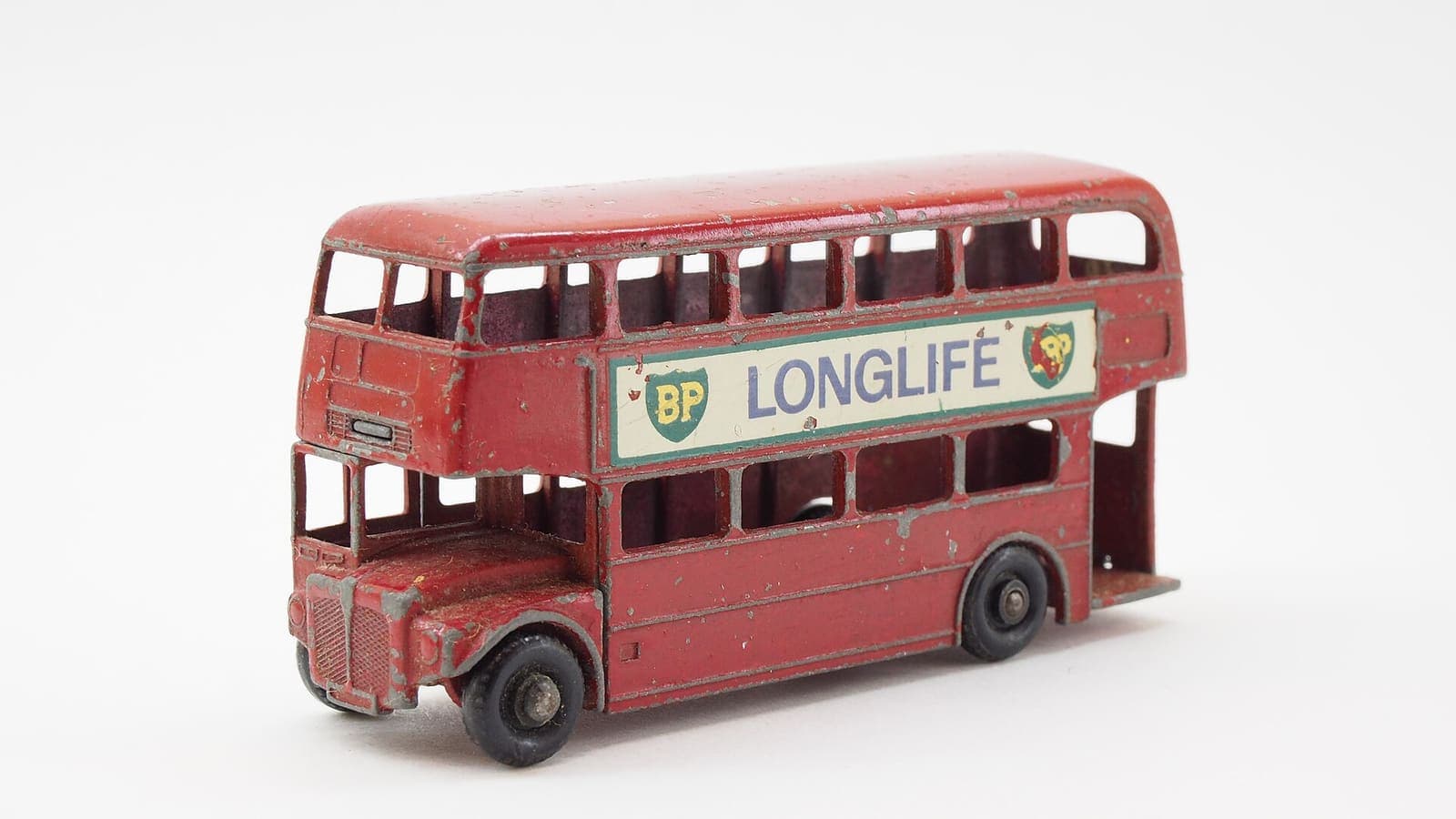
Long before orange track and loop-the-loops, Matchbox cars were being made in England by Lesney Products. The small, detailed models — originally sized to fit in a box like a matchbox — were sold around the world and became a childhood staple for generations. Today, Lesney-era Matchbox cars are a rewarding and deep collecting field.
What "Lesney era" means
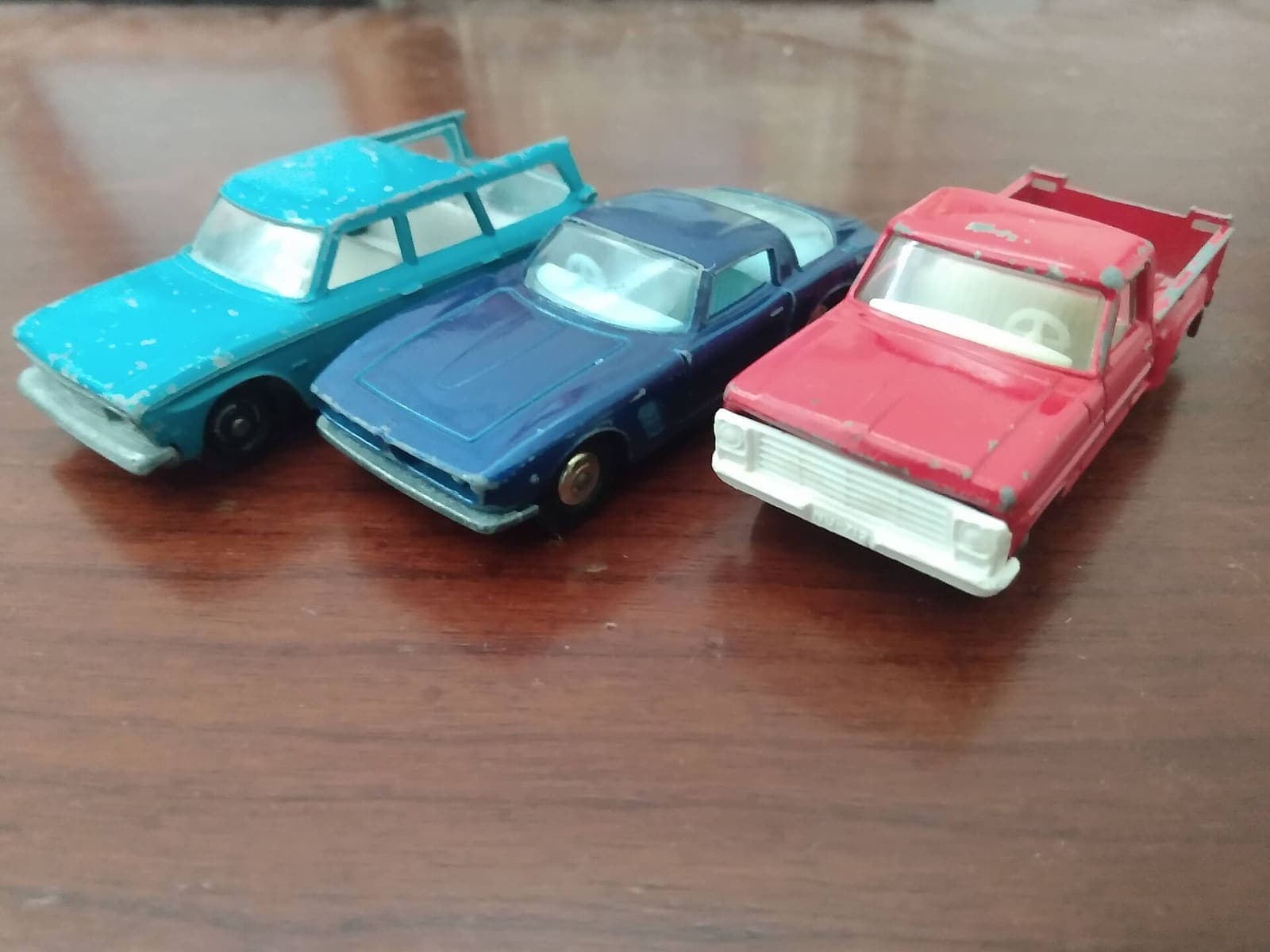
Lesney produced Matchbox models from the 1950s into the early 1980s, when the company ran into financial trouble and the brand passed to new owners. Lesney-made models typically carry "Lesney" and "Made in England" markings on the base. The core range was the 1-75 series, with each model assigned a number, alongside other lines like Models of Yesteryear and larger King Size models.
Regular wheels vs Superfast
The biggest dividing line in Lesney collecting is the wheels:
- Regular wheels — the original style, used from the 1950s through the late 1960s. Wheels progressed from metal to plastic types over the years, and wheel type is a major factor in identifying variations.
- Superfast — introduced around 1969, when Matchbox switched to thin axles and low-friction wheels to compete with Hot Wheels on speed.
Many collectors focus on one or the other. Regular-wheel models appeal to purists, while early Superfast models are popular for their bright colors and period style. Some castings were produced in both forms, so check the wheels against the claimed version.
Box types
Original boxes can matter as much as the model. Lesney boxes changed design over the years, and collectors identify them by box type — differences in artwork, logos, text and layout. A model in the correct box type for its production period is more desirable than one paired with a later or earlier box.
When checking a box, look for:
- Crisp, unfaded colors and intact end flaps
- Tears, creases and crushing
- Price stickers or writing
- Reproduction boxes, which are made for display and may be printed on modern paper with slightly off colors
Variations
Lesney models often exist in many variations. Differences can include body color, base color, wheel type, window tint, interior color and decals. Some variations are common, while others are scarce and command strong premiums. Detailed collector references and catalogs document known variations — use them before paying extra for a "rare" one.
Restorations and reproductions
Because original examples are popular, many Lesney models have been restored: stripped, repainted, fitted with reproduction wheels or parts, and re-riveted. A good restoration can look very appealing, but it should be disclosed and priced accordingly. Watch for:
- Drilled or replaced rivets on the base
- Paint that's too thick, too glossy or the wrong shade
- Reproduction decals and wheels
- Sharp, clean edges on a car that's supposedly decades old
Grail Hunt tip: Ask for a clear photo of the base, especially the rivets. Original rivets look smooth and undisturbed; drilled or replaced ones mean the model has been taken apart at some point.
Condition and buying online
Lesney models were toys, and most show play wear. Collectors usually look at:
- Paint chips, especially on edges and corners
- Straight axles and even wheels
- Glazing — cracked, scratched or missing windows
- Decals — intact, not peeling or faded
- Box condition, if included
Mint, boxed examples are the top tier, but honest play-worn cars are an affordable way to build a collection.
Request photos of every side, the base and the box, taken in good light. Ask whether the model or box has been restored, repainted or replaced, and keep the answers in eBay messages. For variation claims, ask the seller what reference they used to identify it.
The bottom line
Learn the difference between regular wheels and Superfast, pay attention to box types, and inspect bases for signs of restoration. With patience, you can build a collection of Lesney classics that tell the story of British die-cast at its best.
The story behind it
More Die-Cast Cars guides