🏺 Antiques
Furniture, silver, clocks and curiosities with a century or more behind them.
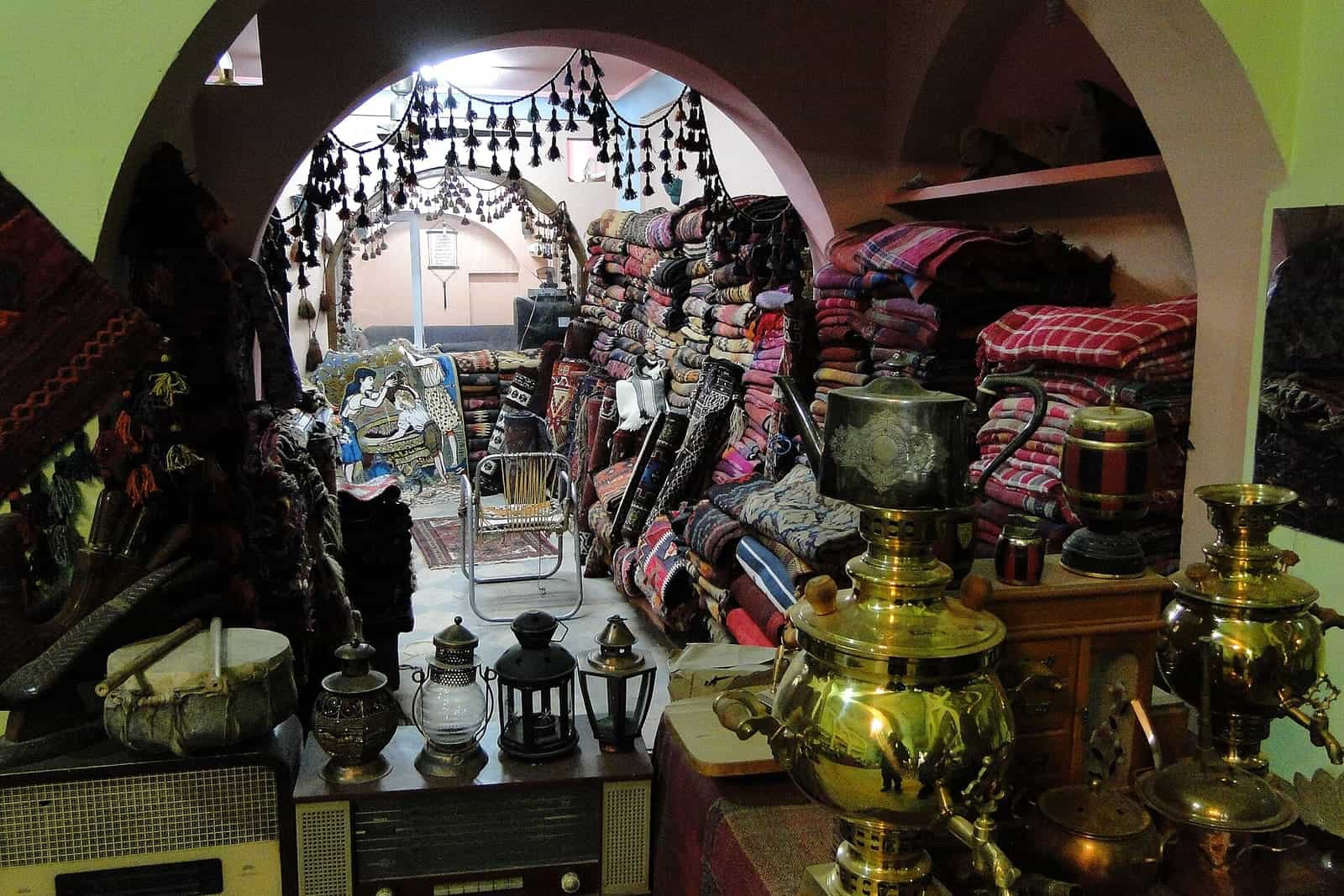
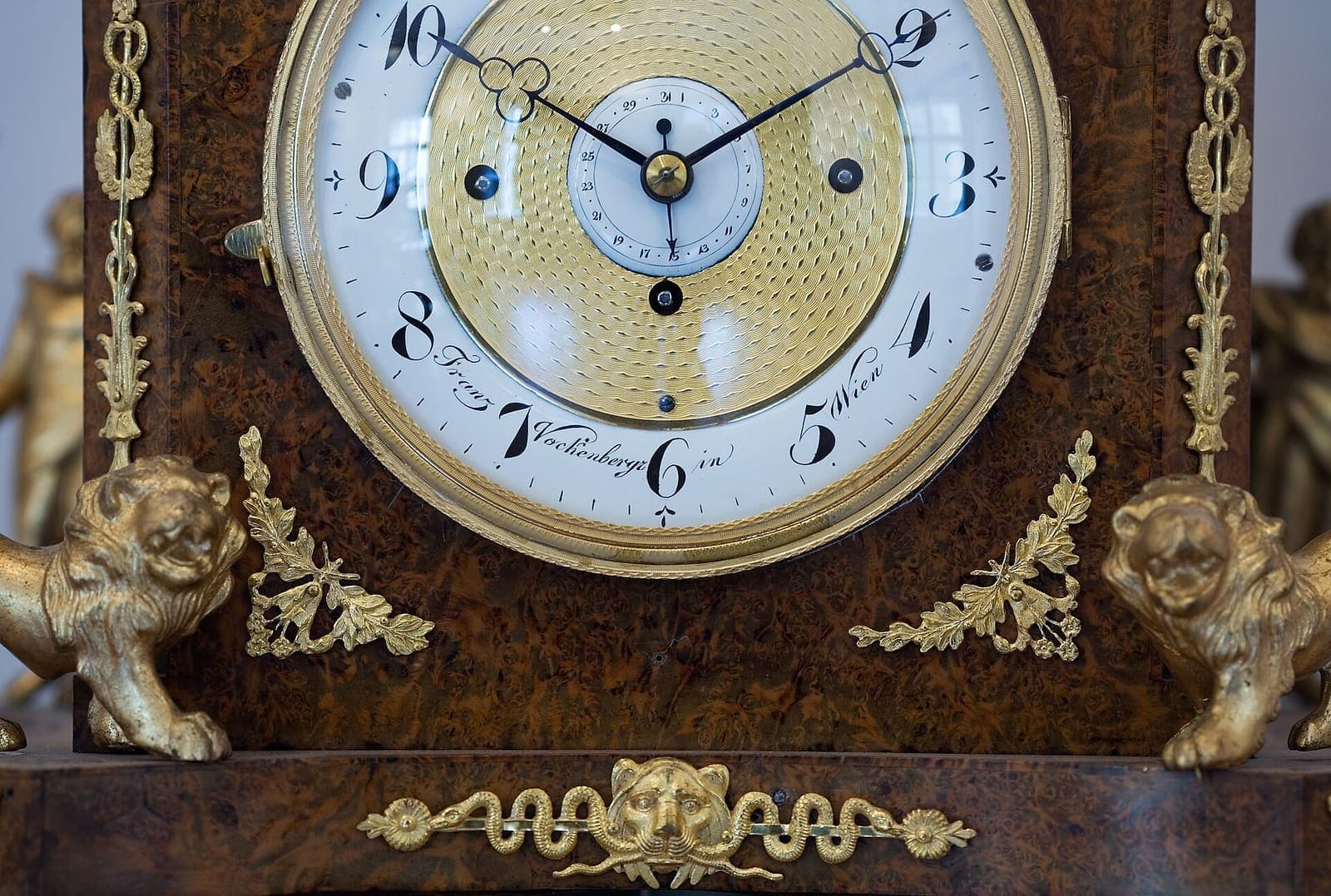
Photo: Adam Jones, Ph.D. / CC BY-SA 3.0
Antiques: how to identify, date and buy with confidence
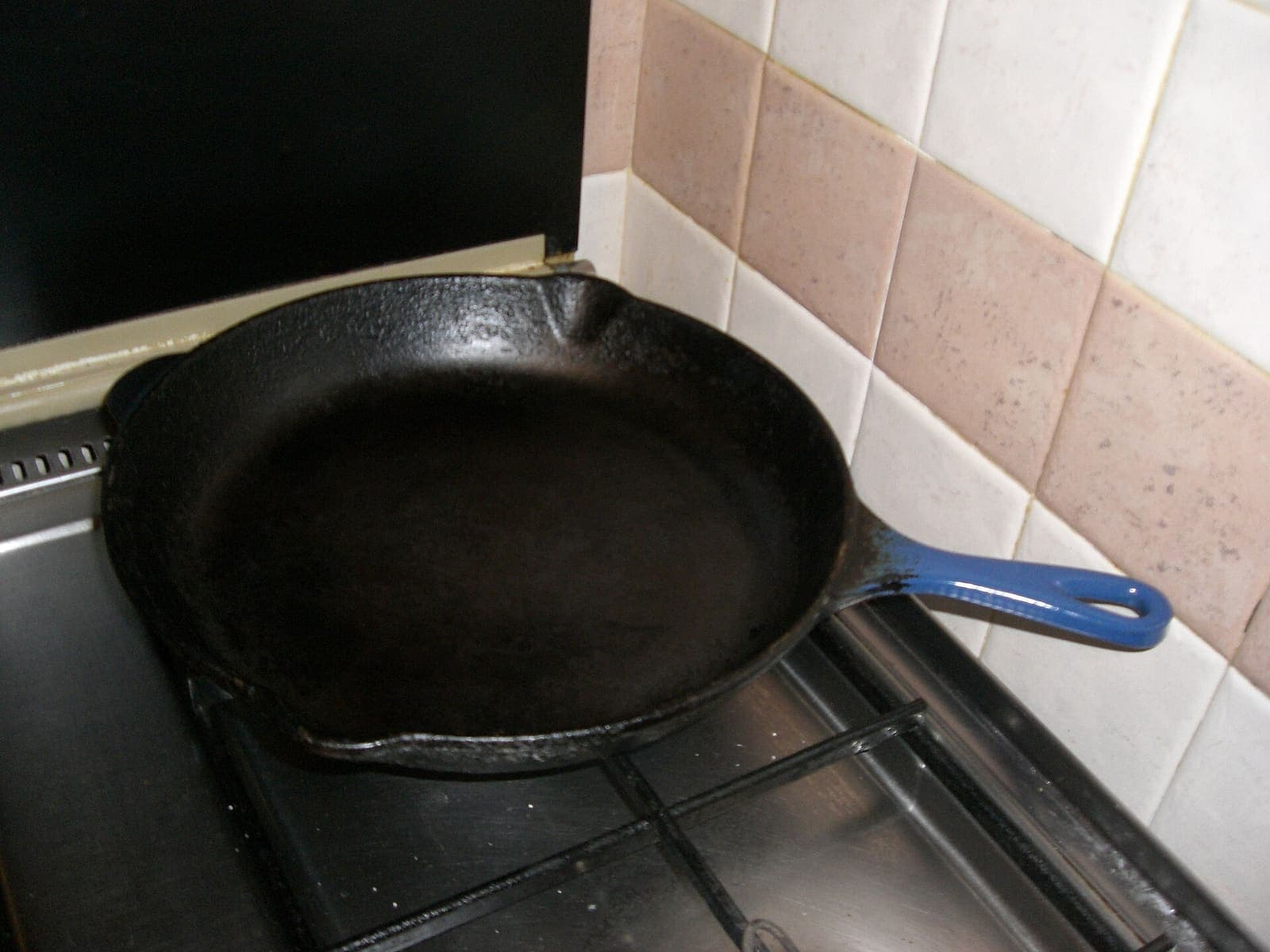
Antiques cover a huge range of objects with a century or more of history behind them, including furniture, silver, clocks, cast iron cookware, tin toys, advertising signs and all kinds of curiosities. Part of the appeal is the detective work: figuring out when and where something was made, who made it and whether it’s genuinely old.
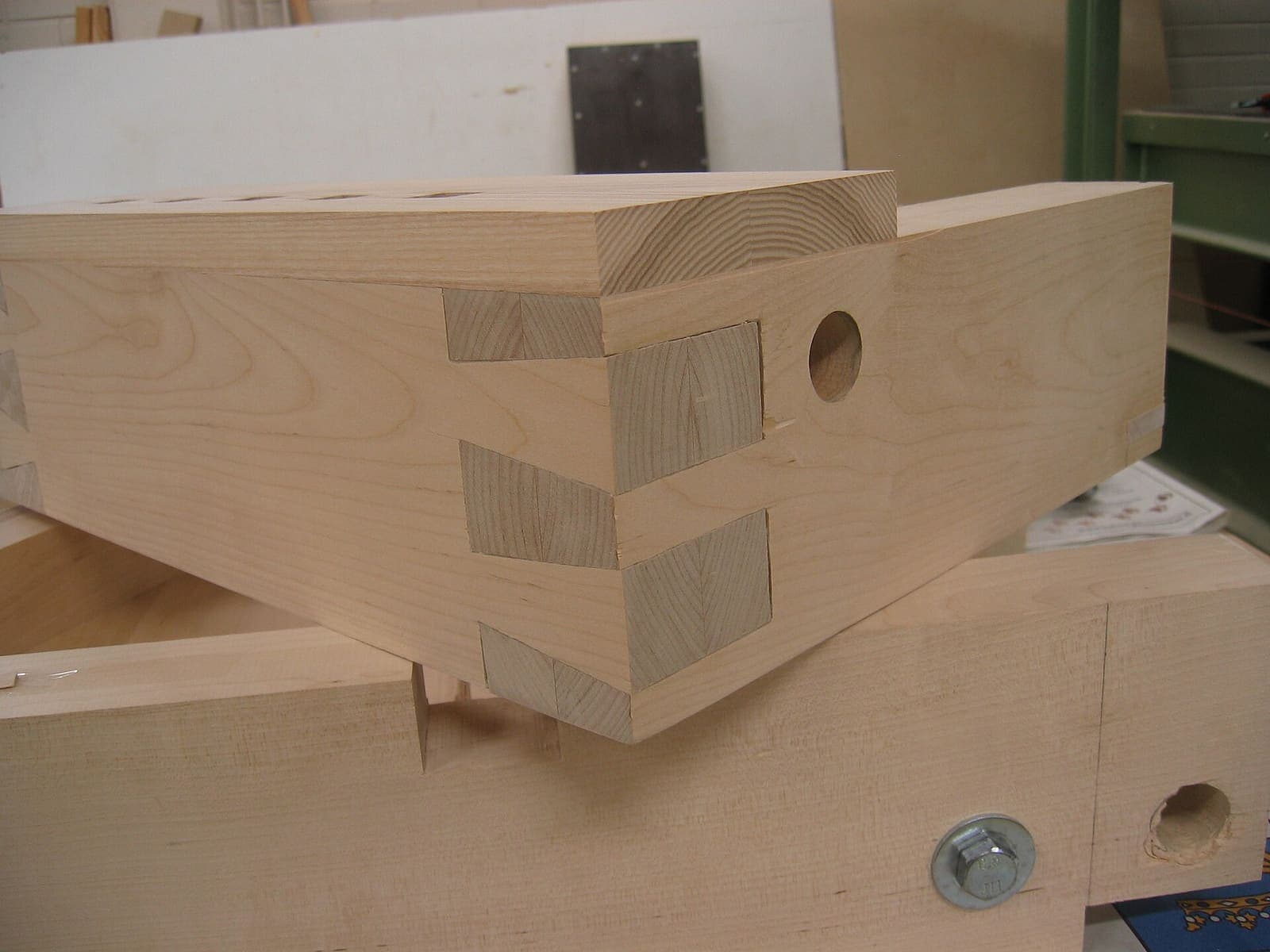
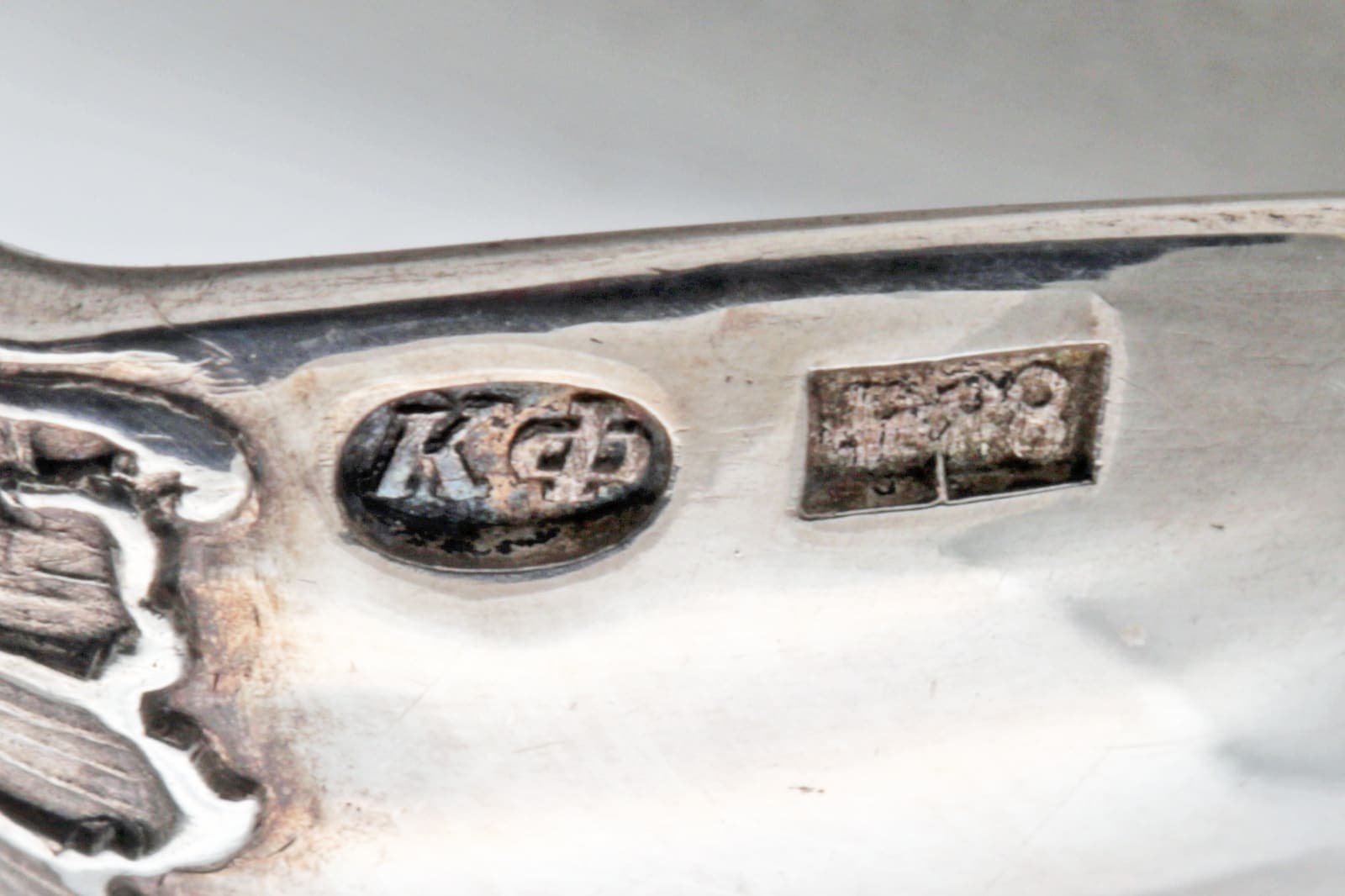
What makes antiques valuable? Age alone isn’t enough. Maker, quality, rarity, originality, condition and current demand all shape value, and tastes change over time. Original finish often matters more than you’d expect, and heavy refinishing or replaced hardware can reduce the value of antique furniture. Construction clues such as hand-cut dovetails, tool marks and the type of screws can help date a piece. Silver hallmarks can reveal the maker, city and sometimes the year. Common pitfalls include reproductions sold as originals, artificially aged pieces, married pieces combined from different items, and fakes in popular categories like porcelain advertising signs. Learning how to tell if an antique is real starts with knowing how things were made.
When buying online, ask for photos of the back, underside, joints, marks and any repairs, and read dimensions carefully, especially for furniture that may be costly to ship. Compare recent sold prices for similar items rather than relying on asking prices or estimates. The guides below cover dating antique furniture, silver hallmarks, antique clocks, cast iron cookware, tin toys and porcelain sign fakes, and you can browse live listings from eBay alongside them.
Antiques guides

Antiques: common questions
How old does something have to be to be an antique?+
The most common definition is at least 100 years old, which is also the standard used by US customs. Items that are younger but still collectible are often described as vintage, typically meaning several decades old. In practice, dealers and sellers use these terms loosely, so it’s worth confirming age with construction details, marks and other evidence.
How can you tell if antique furniture is real or a reproduction?+
Examine the construction. Older furniture often shows hand-cut dovetails, irregular tool marks, uneven wear in natural places and hardware consistent with its period. Reproductions tend to have uniform machine-cut joints, modern screws and even wear or distressing. Look underneath and inside drawers, where makers rarely bothered to fake details, and check whether the finish and hardware appear original.
Does refinishing antique furniture lower its value?+
In many cases, yes. Collectors often prefer original finish, even with wear, because it shows age and authenticity. Stripping and refinishing can significantly reduce value for quality or early pieces. For everyday furniture, a careful restoration may be fine. If you think a piece may be valuable, consult an experienced appraiser or conservator before changing anything.