Antique or Just Old? Dating Furniture by How It Was Made
Dovetails, saw marks, nails and screws are the fingerprints of furniture history. How to date a piece before you trust the listing.
By The Grail Hunt · August 18, 2026 · 2 min read
This guide contains eBay affiliate links. If you buy through them we may earn a commission, at no extra cost to you. Read our affiliate disclosure.
"Antique" is one of the most overused words in online listings. Traditionally, a piece needs to be around 100 years old to be considered a true antique. The good news: furniture tells you its age if you know where to look — inside the drawers, underneath and on the back.
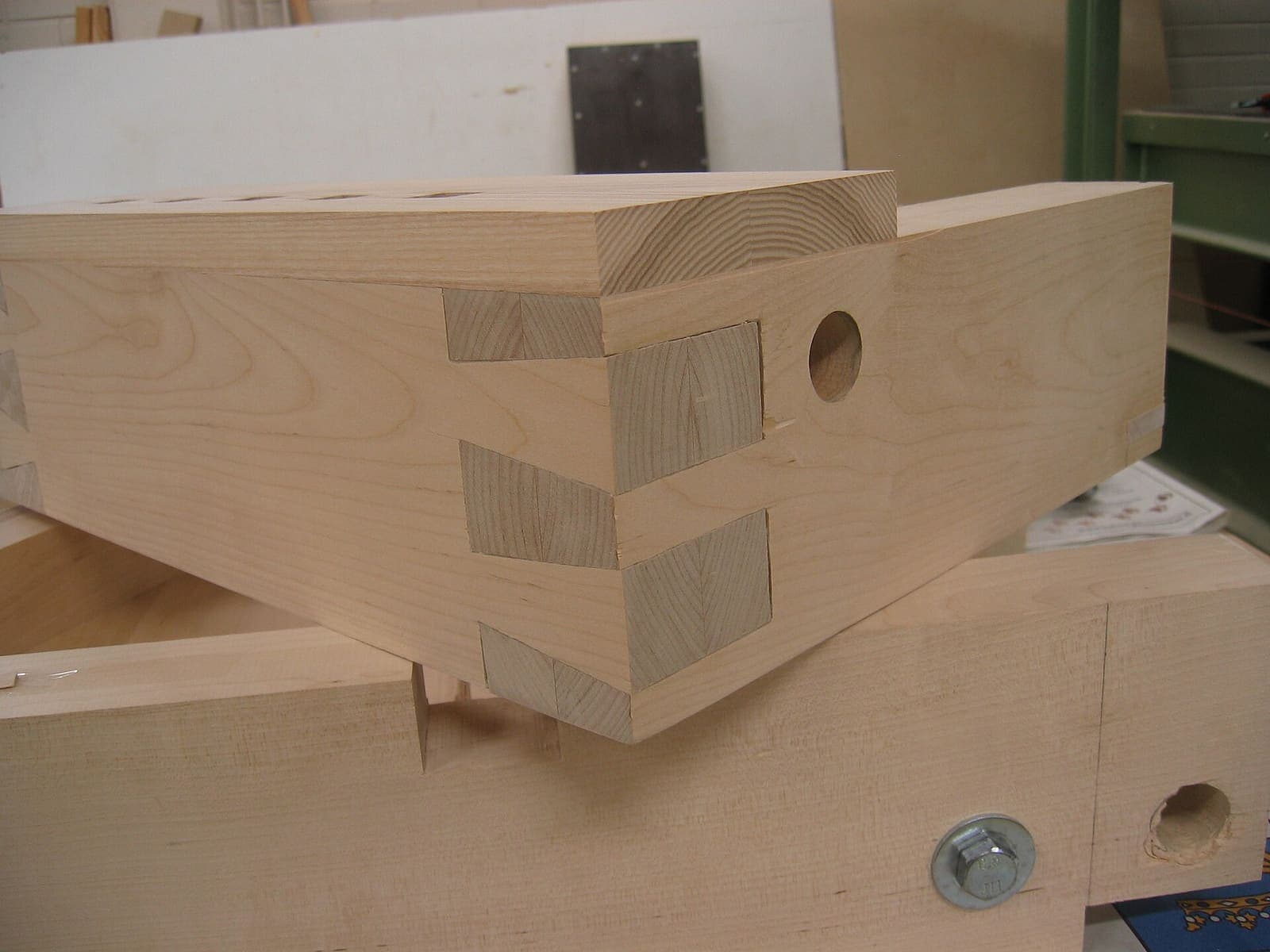
Dovetail joints
Open a drawer and look at how the front joins the sides:
- Hand-cut dovetails are typically fewer in number, slightly irregular and often have narrow pins with wider tails. You may see scribe lines where the maker marked the cut.
- Machine-cut dovetails are perfectly uniform and evenly spaced. They became widespread during the later 19th century.
Irregular, hand-cut dovetails are one of the strongest signs of an older piece.
Saw marks
Look at the undersides of drawers and the backboards:
- Straight, parallel saw marks suggest older hand or pit sawing.
- Curved, circular saw marks come from circular saws, which became common during the 19th century.
- Hand-planed surfaces may show gentle ripples when you look along them in raking light.
Nails and screws
Fasteners are excellent age clues:
- Hand-forged nails have irregular, often rectangular heads and shafts.
- Cut nails — machine-cut from sheet iron — have rectangular shafts and were common through much of the 19th century.
- Wire nails, with round shafts like modern nails, became dominant toward the end of the 19th century.
Older screws often have off-center slots and irregular threads; perfectly uniform, pointed screws are more modern. Of course, replacement hardware is common, so look at the overall picture.
Wear and shrinkage
Genuine age shows up in natural ways:
- Wear where hands and feet naturally touch — drawer edges, chair stretchers, around handles.
- Wood shrinkage across the grain — round tabletops that are slightly oval, for example.
- Oxidation — unfinished interior wood darkens with age. Freshly exposed, pale wood inside an "antique" is suspicious.
Grail Hunt tip: Ask sellers for photos of the drawer joints, the back panel and the underside. A seller who can't or won't provide them is keeping the most important evidence out of view.
Marriages and reproductions
A "marriage" combines parts from different pieces — for example, a top from one chest and a base from another. Mismatched wood, color, construction or hardware between sections can reveal it. Reproductions in period style are fine to own — just don't pay antique prices for them.
The bottom line
Check dovetails, saw marks, fasteners and wear. When the construction clues all agree, you can trust the age. When they contradict each other, dig deeper before you buy.
More Antiques guides