Vintage Cast Iron Cookware: How to Spot Quality, Damage and Fakes
Griswold, Wagner and other classic makers, how to read the markings, and how to check for cracks, warping, pitting and reproductions before you buy cast iron.
By The Grail Hunt · July 1, 2026 · 3 min read
This guide contains eBay affiliate links. If you buy through them we may earn a commission, at no extra cost to you. Read our affiliate disclosure.
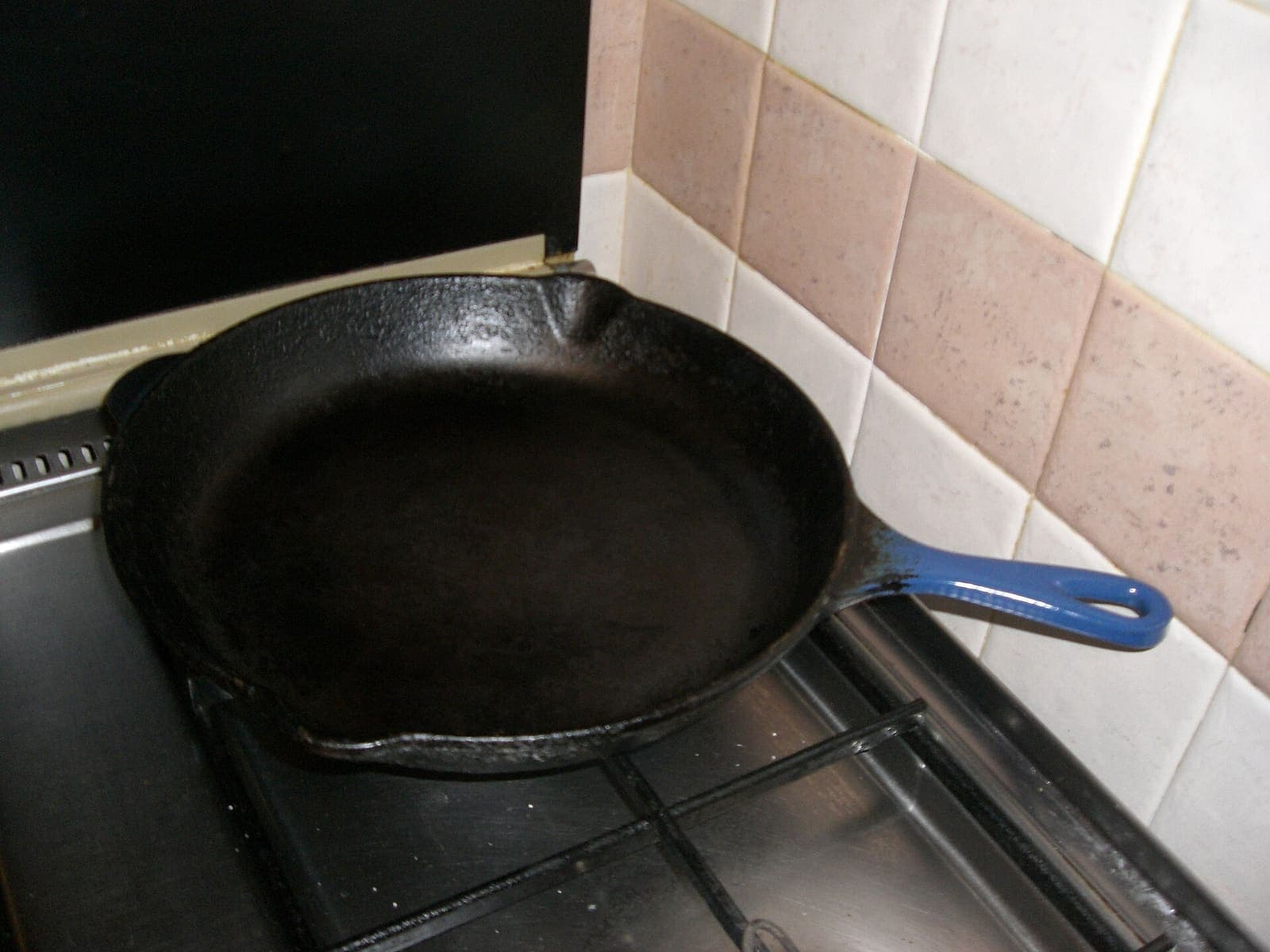
Vintage cast iron is one of the rare collectibles you can actually use every day. Older American skillets are often lighter and smoother than many modern pans, and a well-restored piece can outlast you. But cracks, warping and reproductions are common. Here's how to buy wisely.
Know the classic makers
Several American foundries are especially popular with collectors:
- Griswold — based in Erie, Pennsylvania, and one of the most collected names in cast iron
- Wagner — based in Sidney, Ohio, known for quality pans marked "Wagner Ware"
- Lodge — a long-running Tennessee maker still in business today
- Other names like Favorite, Wapak and Birmingham Stove & Range also have followings
Many pans were also made unmarked, sometimes for department stores. Unmarked pieces can be excellent cookware, though maker-marked pieces tend to draw more collector interest.
Read the markings
The bottom of a pan tells you most of what you need to know. Look for:
- Logo — makers changed their logos over time. Griswold, for example, used several variations of its cross logo, which collectors use to help date pieces.
- Size number — a number that relates to the pan's size, often to fit stove openings.
- Pattern or catalog number — a separate number some makers used to identify the design.
- Heat ring — a raised ring around the outer edge of the bottom on some pans, which helps identify certain makers and periods.
Collector guides and forums document the logo variations for each maker.
Smooth, milled surfaces
Many older pans have a smooth, machined cooking surface, created by milling the cast surface after casting. That's a big reason collectors love them. Many modern pans are left with a pebbly as-cast texture. A smooth surface is a good sign of an older piece, but it isn't proof of age on its own — some people grind modern pans smooth.
Check for damage
Damage matters more than dirt. Rust and crusty buildup can be removed; cracks and warping usually can't. Look carefully for:
- Cracks — often hairline and hard to see, especially near the edges and handle. Ask for photos of the pan's bottom under strong light.
- Warping — a pan that spins or wobbles on a flat surface, or doesn't sit flat on a stove.
- Pitting — small craters from deep rust, which can affect cooking and value.
- Heat damage — reddish discoloration or a grainy surface can indicate the pan was overheated, which can weaken it.
Ask the seller whether the pan sits flat and whether it has any cracks or chips. A pan that "rings" when lightly tapped is usually sound, while a dull thud can hint at a crack.
Grail Hunt tip: Ask the seller to photograph the pan resting on a flat surface from the side, and to press on opposite edges to show whether it rocks or spins. It's the easiest way to catch warping through a screen.
Watch for reproductions
Famous logos have been copied, especially Griswold. Reproductions often have:
- A rough, grainy cooking surface where an original would be smooth
- Blurry or oddly shaped lettering and logos
- Proportions, handles or weight that feel off compared to known originals
- A suspiciously uniform look across several "vintage" pieces from one seller
Compare logos carefully against verified examples.
Restoration basics
Many collectors strip and re-season vintage pans. Common approaches include a lye bath or electrolysis tank to remove old seasoning and rust, followed by several thin coats of oil baked on to build fresh seasoning. Lye is caustic, so wear gloves and eye protection and follow instructions closely. Avoid extreme methods like open fires, which can warp or crack cast iron. Heavy grinding or sandblasting can also remove original surfaces and markings.
Buy safely online
Buy from sellers with strong feedback who photograph the bottom, the cooking surface and the pan's profile. Cast iron is heavy, so check shipping costs and make sure it's packed securely. Pay through the platform to keep buyer protection.
The bottom line
Learn the makers and their markings, favor smooth original surfaces, and check hard for cracks, warping and pitting. Watch out for reproduction logos, and restore carefully. The right vintage pan will cook beautifully for generations.
More Antiques guides