Star Notes, Silver Certificates and Fancy Serials: What Makes a Bill Valuable
Some banknotes are worth far more than face value. Learn to spot star notes, old silver certificates and serial numbers collectors chase.
By The Grail Hunt · September 7, 2026 · 2 min read
This guide contains eBay affiliate links. If you buy through them we may earn a commission, at no extra cost to you. Read our affiliate disclosure.
Paper money is one of the most accessible corners of collecting — you might already have a valuable note in your wallet. Here are the features that turn an ordinary bill into a collectible.
Star notes
When a sheet of notes is misprinted at the Bureau of Engraving and Printing, it's replaced with a sheet that has a star (★) in the serial number. Because replacement runs are much smaller than regular runs, star notes are scarcer.
Not every star note is rare, though. What matters is the size of the print run for that specific series and denomination. Online star-note lookup tools track run sizes; a small run can make an otherwise ordinary note genuinely valuable.
Silver certificates
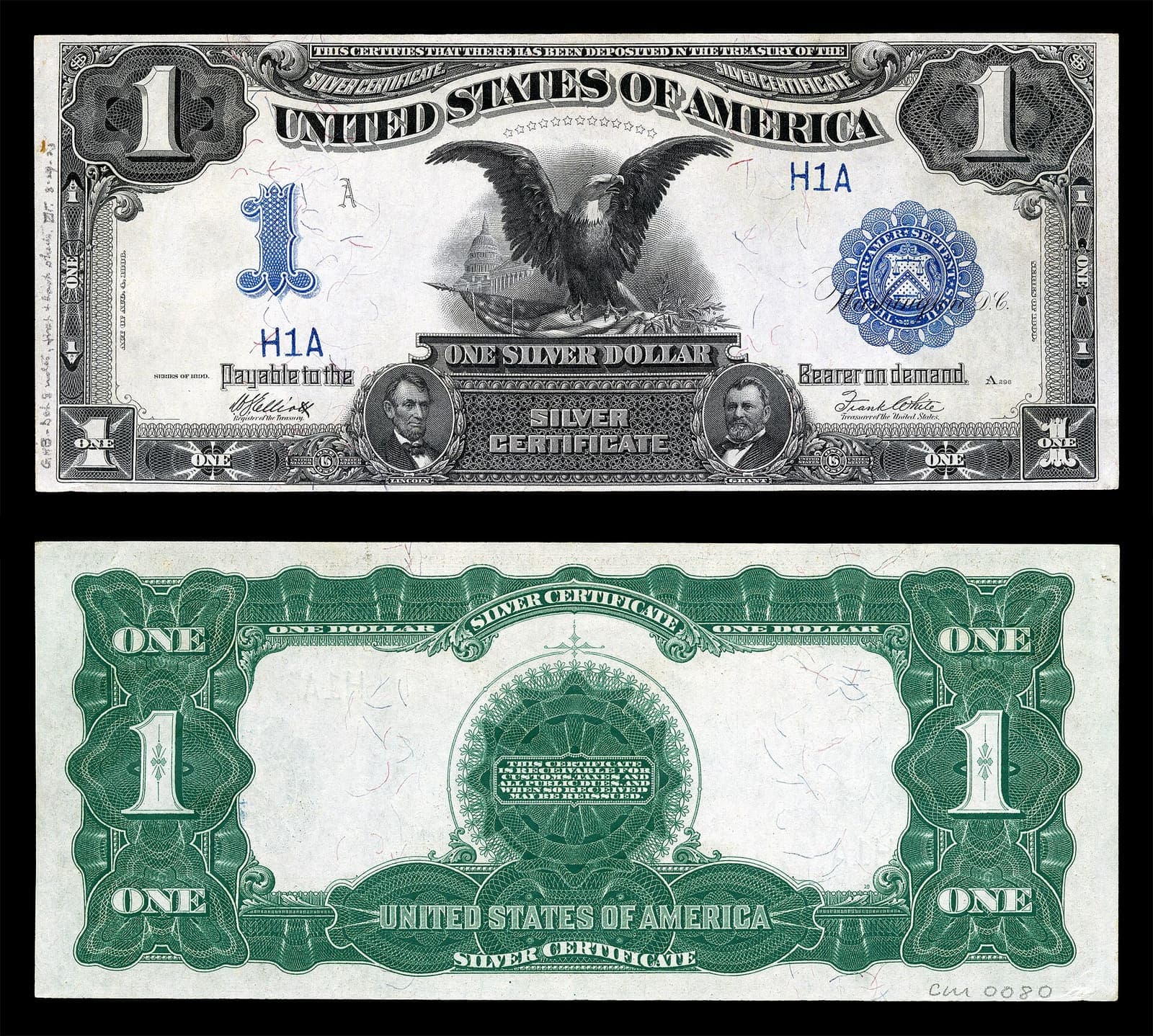
Silver certificates are older US notes, most recognizable by their blue seal and blue serial numbers. They were once redeemable for silver, a right that ended in 1968. Common circulated examples are only worth a little over face value, but uncirculated notes, star notes and earlier series can be worth much more.
Also look for:
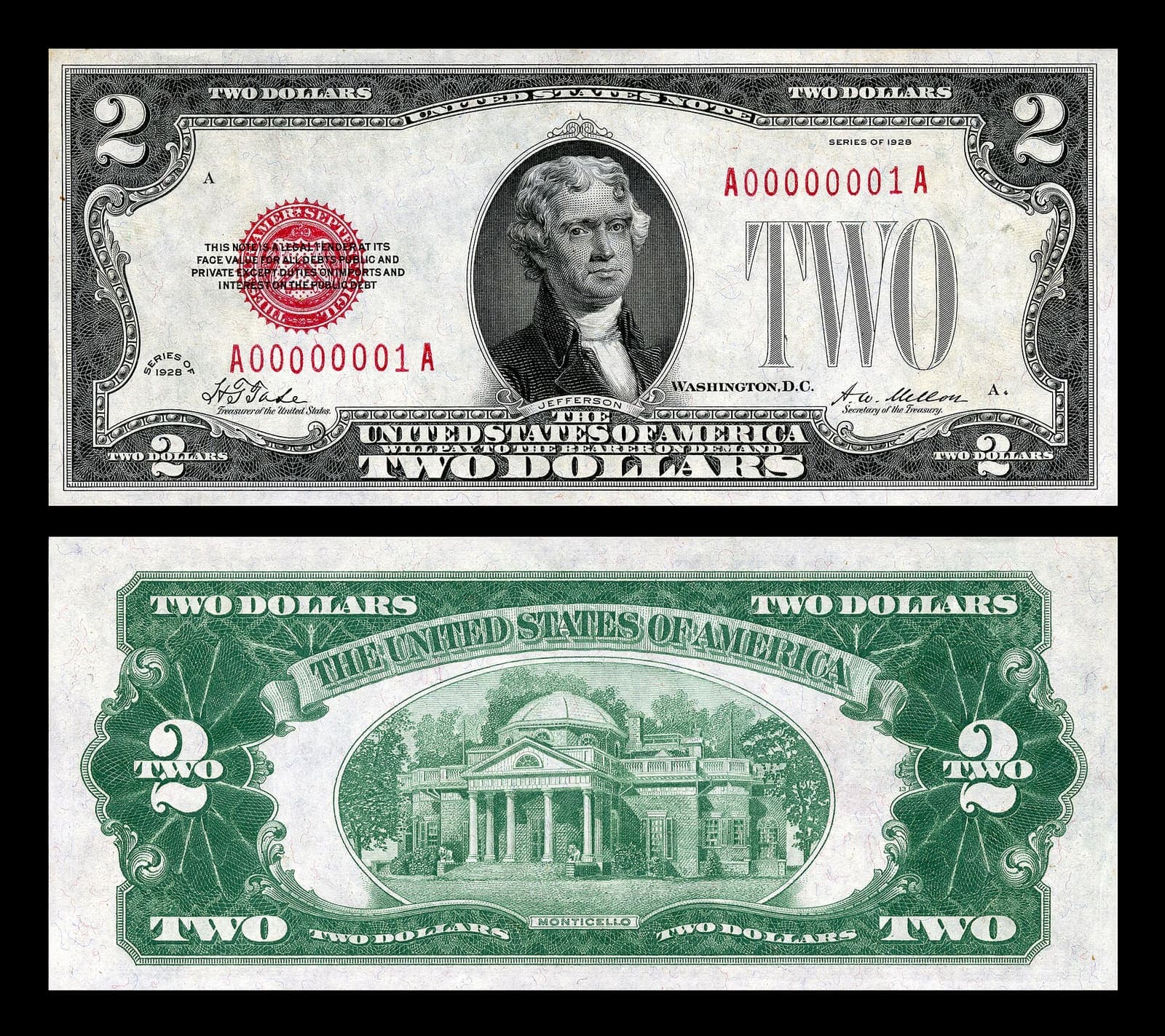
- Red seal notes — United States Notes, including $2 and $5 notes from various series.
- Gold certificates — with a gold-colored seal, from before 1933.
- Large-size notes — pre-1929 notes that are noticeably bigger than today's currency.
Fancy serial numbers
Collectors pay premiums for serial numbers with patterns, including:
- Solids — every digit the same (e.g. 77777777)
- Ladders — 12345678 or 87654321
- Radars — reads the same forward and backward (e.g. 12344321)
- Low serials — such as 00000001 to 00000100
A true ladder or solid is extremely rare; radars and low numbers are more attainable.
Condition is everything
Banknotes are graded on a 1–70 scale by services like PMG and PCGS Banknote. Folds, tears, stains, pinholes and trimming all reduce value. You may also see EPQ (Exceptional Paper Quality) on a PMG label, which indicates the paper is original and hasn't been washed or pressed.
Grail Hunt tip: A note that looks "too crisp" for its age may have been washed and pressed to hide folds. Look for flattened paper texture and a lack of the embossing you'd see on a truly uncirculated note.
The bottom line
Check the star, the seal color and the serial number of every older note you come across. For higher-value notes, buy certified and read the label closely. The big finds in paper money often hide in plain sight.
The story behind it
More Paper Money guides