How to Spot a First Pressing: Matrix Numbers, Labels and Dead Wax
The secrets are etched into the run-out groove. How record collectors identify first pressings and grade vinyl before buying online.
By The Grail Hunt · August 11, 2026 · 2 min read
This guide contains eBay affiliate links. If you buy through them we may earn a commission, at no extra cost to you. Read our affiliate disclosure.
Two copies of the same album can look identical on the shelf — and differ in value by hundreds of dollars. The difference is often whether it's an original first pressing. Here's how collectors tell.
The dead wax holds the clues
The smooth area between the last track and the label is called the run-out groove, or dead wax. Pressing plants and engineers etched or stamped codes here, including:
- Matrix numbers — identify the master and specific lacquer
- Stamper codes — indicate which stamper pressed the record
- Engineer or plant marks — initials or symbols showing who cut the lacquer or where it was pressed
Early matrix numbers and particular engineer marks often indicate an early pressing. Always ask the seller for clear photos or a transcription of the dead-wax etchings on both sides.
Read the label
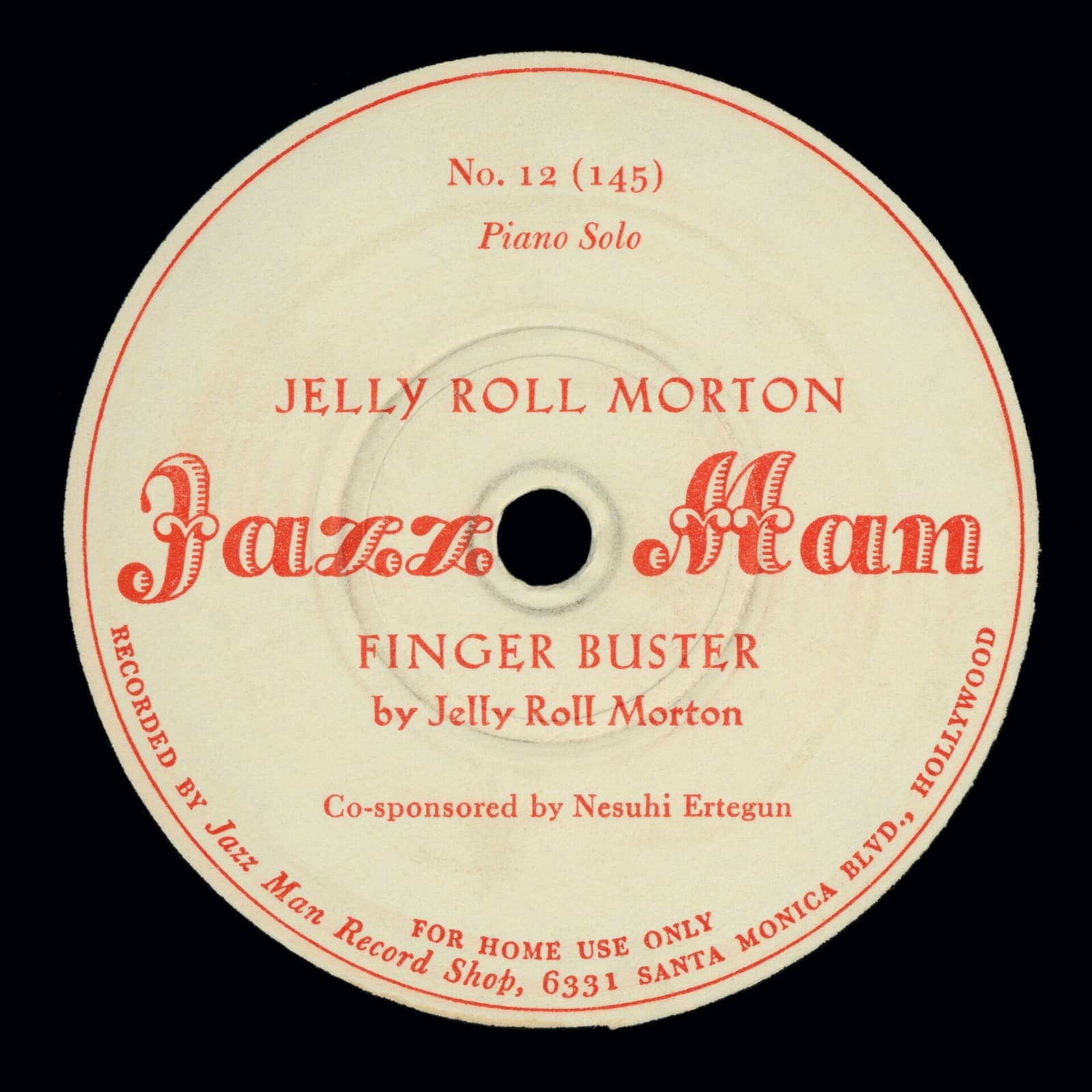
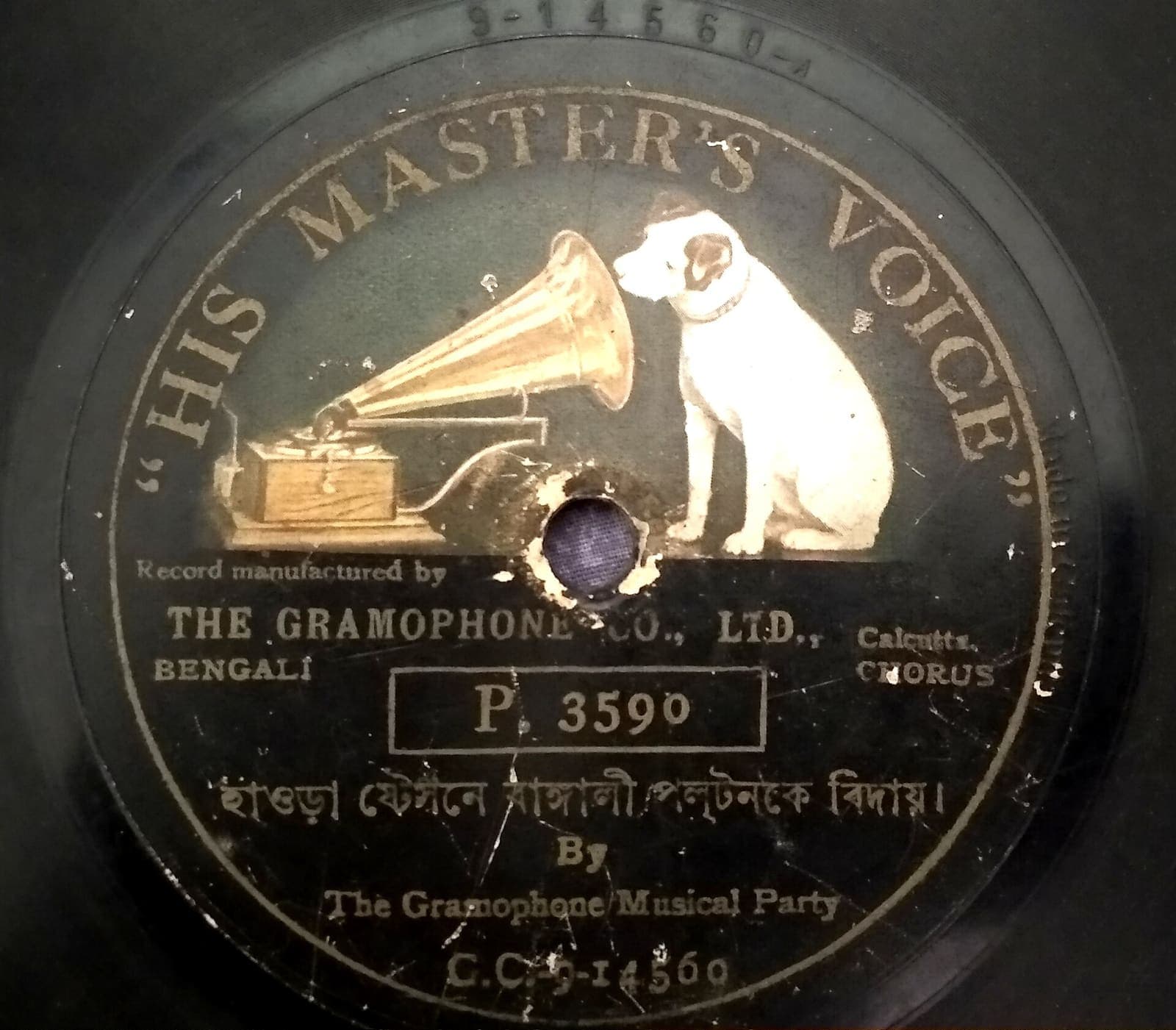
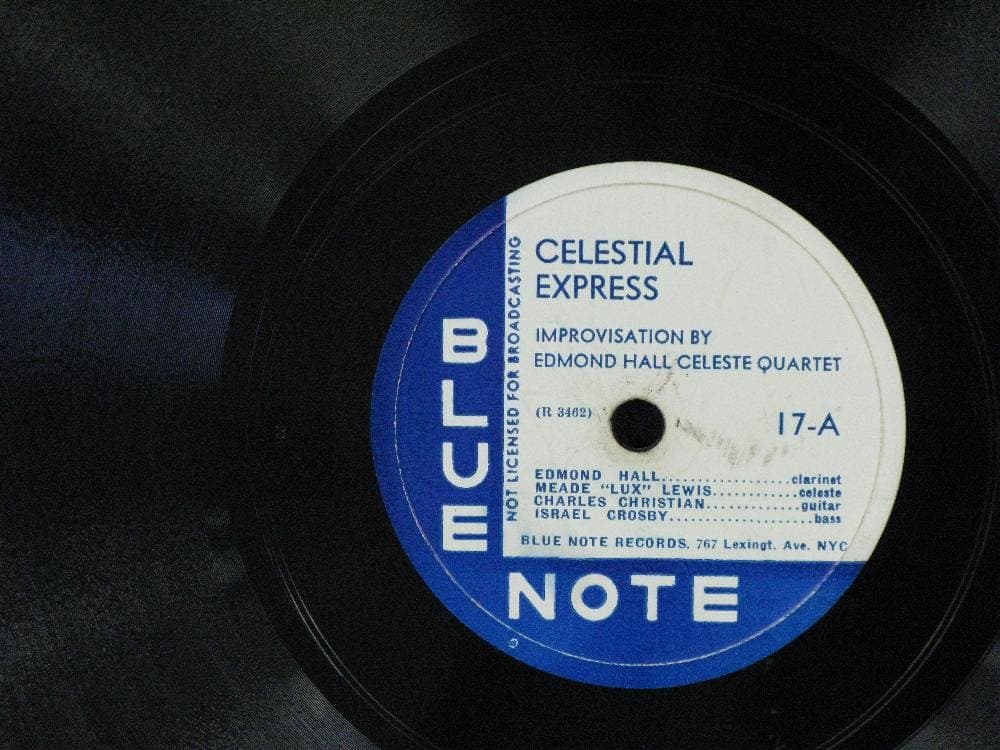
Record labels changed design over time — logos, colors, fonts, rim text and address lines were updated through the years. Those changes are one of the quickest ways to date a pressing. A first pressing will have the label design that was in use when the album was released.
Check the sleeve too
The jacket offers more clues: catalog numbers, printing credits, the presence or absence of barcodes (not used on records until the late 1970s and 1980s), price stickers and original inner sleeves. Be careful, though — records and sleeves can be swapped, so the sleeve alone doesn't prove the vinyl inside.
Use Discogs
The Discogs database lists thousands of pressing variations for popular albums, including their run-out etchings and label details. Match the dead wax and label against the listings to identify exactly which pressing you're looking at.
Understand vinyl grading
Most sellers use the Goldmine grading scale:
- M (Mint) — perfect, typically sealed
- NM (Near Mint) — nearly perfect, minimal signs of handling
- VG+ (Very Good Plus) — light wear, plays with little surface noise
- VG (Very Good) — noticeable surface noise and wear
- G (Good) and below — heavy wear, mostly for filler
Visual grading doesn't always match how a record sounds. "Play-graded" records have been listened to, which is useful for older pressings.
Grail Hunt tip: Sealed copies aren't always first pressings — many popular albums have been reissued and sealed for decades. If the pressing matters, the dead wax is what counts.
The bottom line
Check the dead wax, the label and the sleeve, match everything on Discogs, and pay attention to grading. It takes a few minutes per record — and it's the difference between buying a grail and a reissue.
The story behind it
More Vinyl Records guides