Vinyl Record Grading in Depth: Discs, Jackets and What NM Really Means
Grades make or break a vinyl purchase online. How the Goldmine scale applies to records, jackets and inserts — and how to read a listing like a pro.
By The Grail Hunt · June 23, 2026 · 3 min read
This guide contains eBay affiliate links. If you buy through them we may earn a commission, at no extra cost to you. Read our affiliate disclosure.
When you buy records online, you're buying a grade as much as a record. Two copies of the same pressing can differ enormously in value — and in how they sound — depending on condition. Most sellers use the Goldmine grading standard, but they don't all apply it the same way. Here's how grading really works, and how to protect yourself.
The Goldmine scale
The common grades, from best to worst:
- M (Mint) — perfect in every way, usually reserved for sealed records. Many sellers avoid this grade entirely.
- NM or M- (Near Mint) — looks and plays essentially like new, with no obvious signs of handling.
- VG+ (Very Good Plus) — light signs of play, such as faint scuffs, that don't seriously affect sound.
- VG (Very Good) — noticeable surface noise and visible wear, but still enjoyable to play.
- G+ / G (Good) — heavy wear and constant noise; playable, but mostly filler.
- F / P (Fair / Poor) — damaged, skipping or cracked.
Some sellers add intermediate grades like EX or VG++. Those aren't part of the core Goldmine scale, so ask what they mean.
Grade the vinyl and the jacket separately
A good listing gives at least two grades: one for the record and one for the jacket, like "Vinyl VG+ / Cover VG." Inserts, posters, lyric sheets and original inner sleeves should be described too, because missing or damaged extras can matter a lot for complete original copies.
What to look for on the vinyl
Common vinyl flaws include:
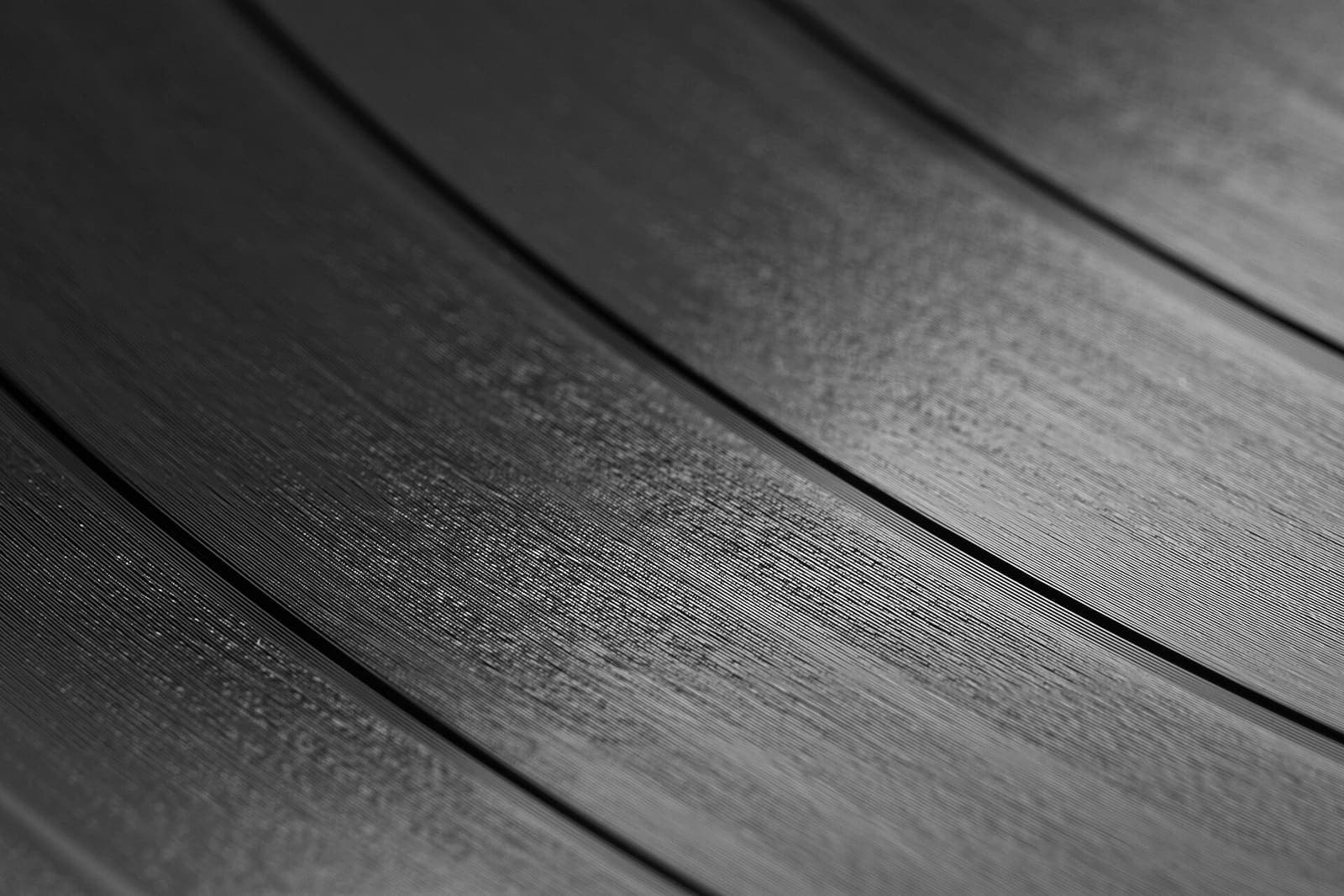
- Scuffs and hairlines — light surface marks that may be silent or may add noise
- Scratches — marks you can feel with a fingernail are more likely to click or skip
- Warps — including dish warps that make the disc bowl-shaped; mild warps may play fine, severe ones won't track
- Groove wear — from worn styluses, often causing distortion in loud passages
- Spindle marks — hairline trails around the center hole from repeated play
- Label damage — writing, stickers or tears
What to look for on the jacket
Jacket flaws are graded on their own terms:
- Ring wear — a circular impression rubbed into the cover by the record inside
- Seam splits — separated edges along the top, bottom or spine; specify their length
- Spine wear — fading, splits or unreadable spine text
- Writing, stamps and stickers — including names, radio station marks and price tags
- Cut-outs — a clipped corner, drill hole or saw cut marking a remaindered copy
- Water damage, fading and odor
Visual vs. play grading
Most grades are visual — the seller inspects the record under good light. That's useful, but some records look worse than they sound, and vice versa. A play-graded record has actually been listened to, sometimes with notes on which tracks have noise or skips. For expensive or older records, play grading is well worth asking for.
Grail Hunt tip: Ask sellers what light they grade under and whether the record was play-tested. A seller who grades under strong direct light and play-tests key records is usually a seller whose grades you can trust.
Reading a listing like a pro
Look for actual photos of the record and jacket, not stock images. Ask for pictures that show the vinyl surface angled toward the light, the labels, the dead wax and all edges of the jacket. Check the seller's feedback for mentions of accurate grading, and be cautious of sellers who grade everything NM.
Shipping and protection
Records should ship outside the jacket in their inner sleeve to prevent seam splits, inside a sturdy record mailer with stiffeners. Pay using a method that offers buyer protection, and if a record arrives badly over-graded, document it with photos right away.
The bottom line
Grade the vinyl and the jacket separately, know what each flaw means, and ask about play grading for anything valuable. Understanding grades is the single best way to avoid disappointment when buying records online.
More Vinyl Records guides