Collecting Original Jazz LPs: Labels, Deep Grooves and Reissue Traps
Original Blue Note, Prestige and other classic jazz pressings are serious grails. Learn to read label addresses, deep grooves and dead wax to avoid reissues.
By The Grail Hunt · June 22, 2026 · 3 min read
This guide contains eBay affiliate links. If you buy through them we may earn a commission, at no extra cost to you. Read our affiliate disclosure.
Classic jazz LPs from the 1950s and 1960s are among the most sought-after records in the hobby. Original pressings on labels like Blue Note and Prestige combine legendary music, striking cover design and relatively small press runs. They've also been reissued many times, sometimes with near-identical covers. Here's how collectors separate originals from later pressings.
Why originals matter
An original pressing is one made at or near the album's first release, with the label design, address and pressing details of that time. Collectors prize them for historical authenticity and, often, for their sound. Later pressings can be excellent listening copies, but they don't carry the same collector interest — so it's essential to know which you're holding before you pay original prices.
The label is the first clue
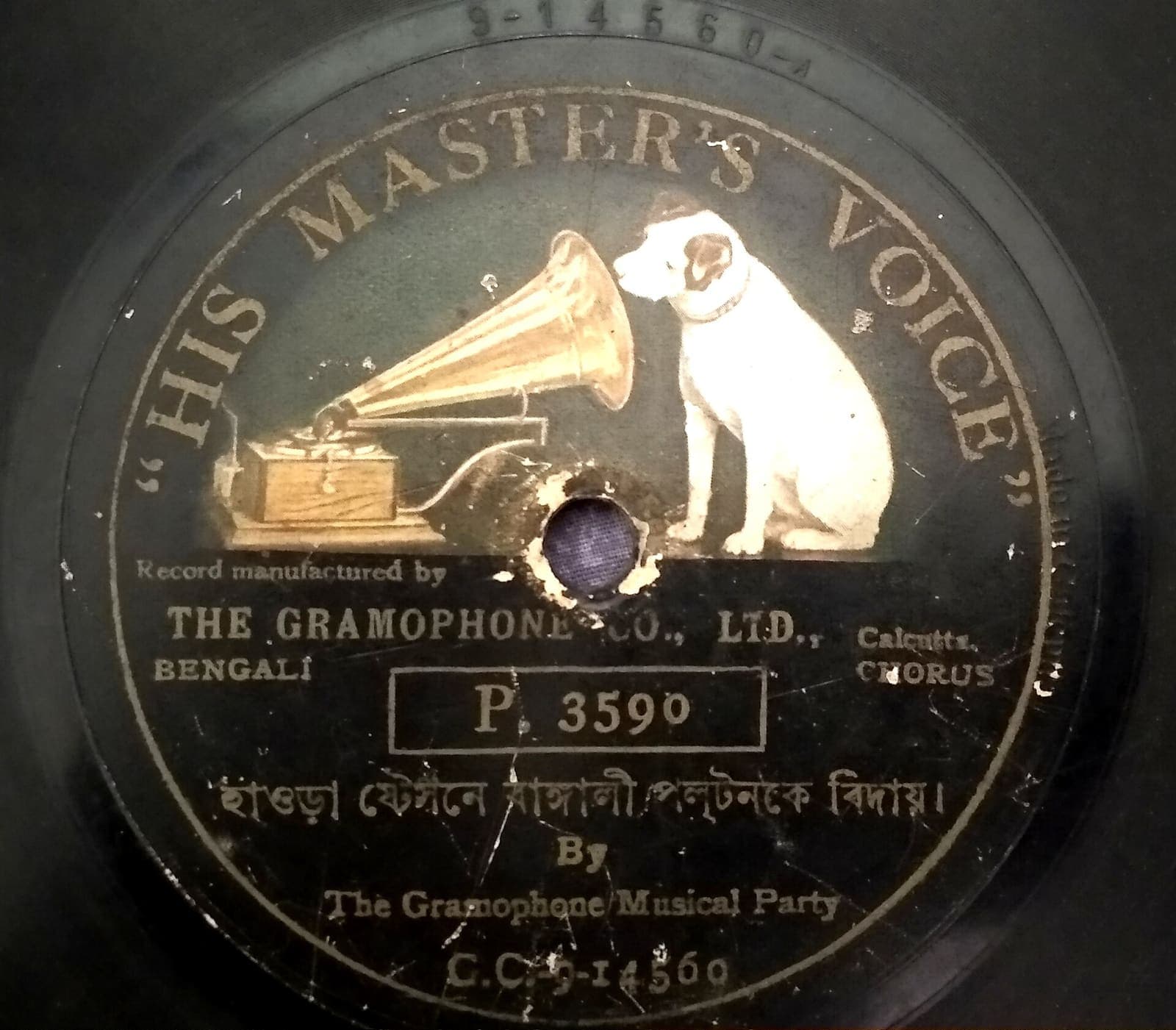
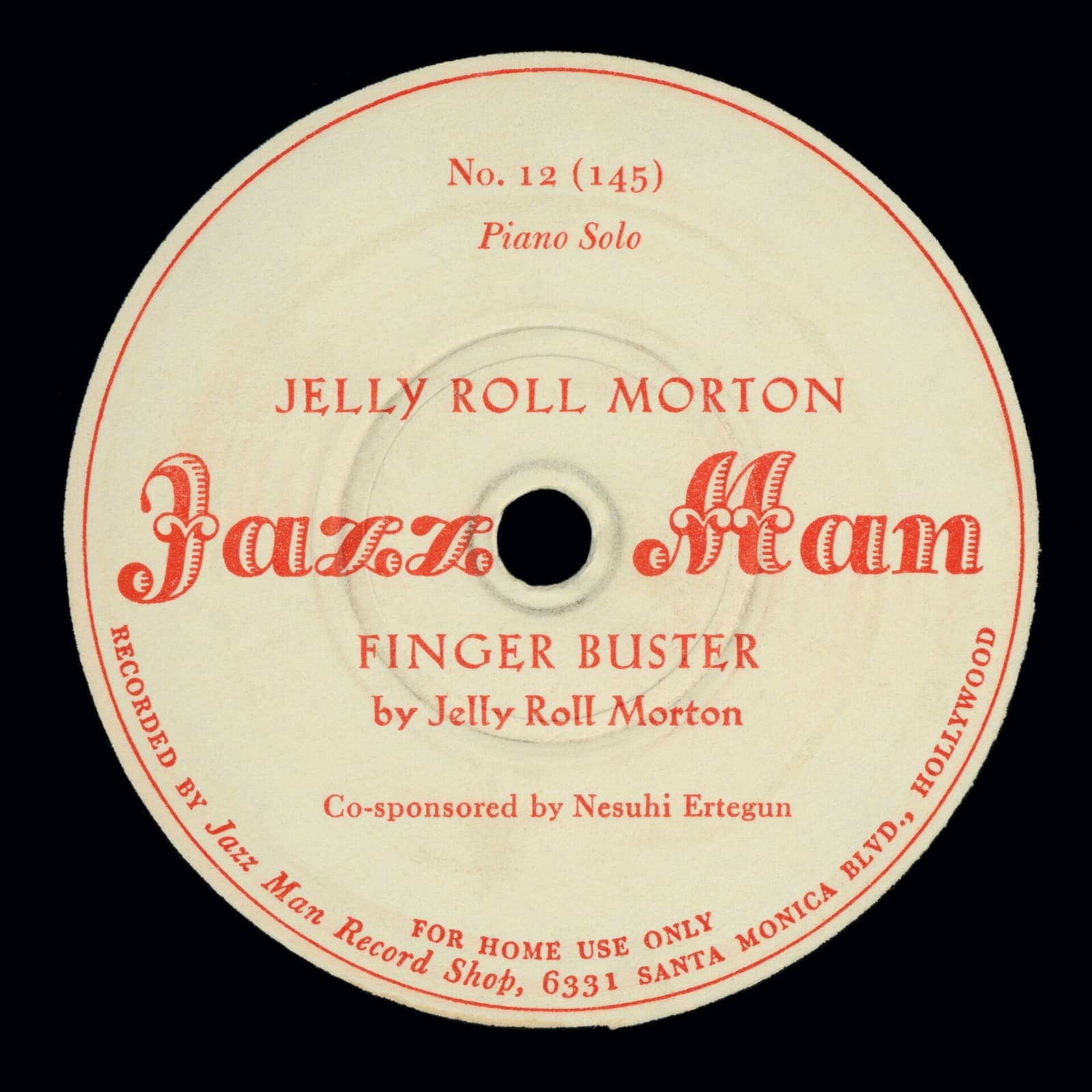
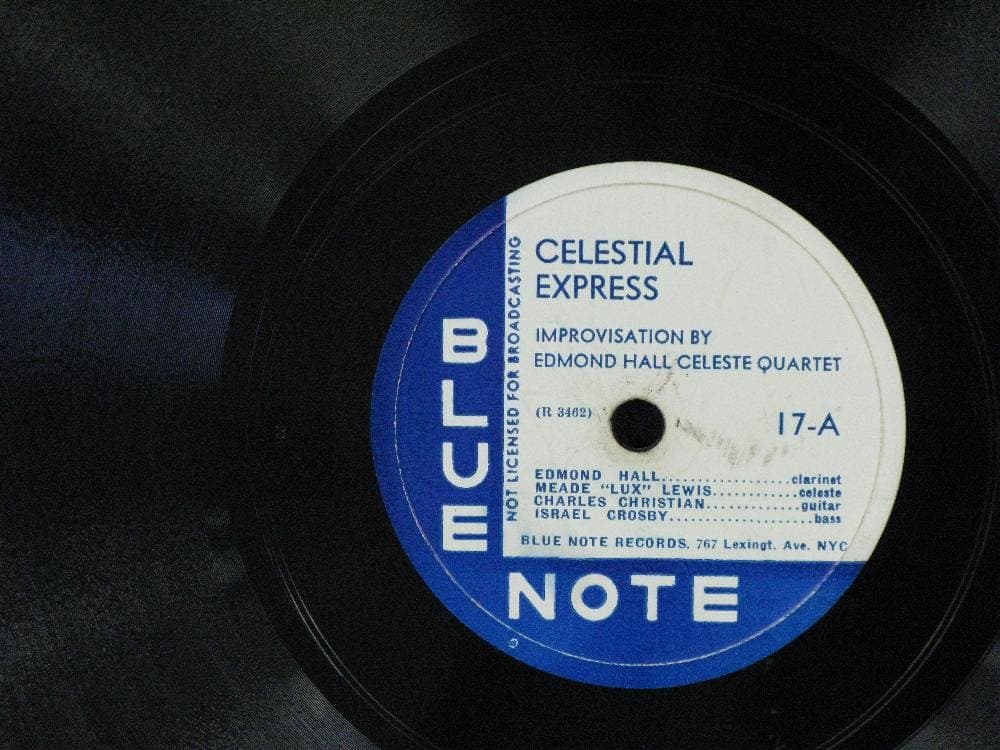
Classic jazz labels changed their designs and printed addresses over the years, and those changes are key to dating a pressing. Blue Note is the classic example: its labels list different New York addresses from different periods, followed by later labels reading "New York USA" and, after the label was sold, labels referencing Liberty. An album first issued at one address but found with a later label is a later pressing.
Prestige, Riverside, Verve, Impulse! and other labels had their own label and address changes too. A good reference or the Discogs listing for the album will show which label variant matches the first release.
A catch to watch for: labels printed in advance were sometimes used up after an address changed, so there can be overlaps. That's why the label is the first clue, not the only one.
Deep groove and other physical details
On many 1950s and early-1960s pressings, you'll find a deep groove — a circular indentation in the label area, left by the pressing equipment of the time. Collectors use it as one marker of early pressings for certain labels. Its presence or absence, on one or both sides, can help place a record in time, but it varies by label and title, so check references for the specific album.
Other useful details include the weight and thickness of the vinyl and the jacket construction, such as laminated fronts and pasted-on slicks.
Read the dead wax
The dead wax often contains hand-etched or stamped matrix numbers and engineer marks. For Blue Note and Prestige records from the classic era, many collectors look for the stamp of mastering engineer Rudy Van Gelder, such as "RVG" or "VAN GELDER." Some Blue Note pressings also carry an "ear" symbol — a small stamped mark associated with the pressing plant. Presence of these marks is a helpful sign, but always compare against the documented details for that title.
Mono vs. stereo
Stereo LPs arrived in the late 1950s, and many jazz albums from that period were issued in both mono and stereo versions. Collectors often prefer the format in which the album was first issued, and preferences vary by title. Check the label, jacket and catalog number, which often differ between mono and stereo editions.
Know your reissues
Jazz reissues are common and often very good. You'll encounter Japanese pressings, the Original Jazz Classics (OJC) series of Prestige and Riverside titles, and Blue Note's own later audiophile reissue series, among many others. Some reproduce the original label look closely. Look for modern barcodes, copyright text, reissue catalog numbers and different dead-wax markings.
Grail Hunt tip: Before bidding on an expensive jazz LP, ask the seller for clear photos of both labels and a full transcription of the dead wax on both sides. Then match them against the pressing details for that exact album.
Buying safely online
Insist on photos of the actual record, not stock images, and on separate grades for vinyl and jacket. Ask whether the record has been play-tested. Pay with buyer protection, and request shipping with the record outside the jacket in a sturdy mailer.
The bottom line
Check the label design and address, look for deep grooves and dead-wax marks, and confirm mono or stereo. Compare everything against references for that title, and you'll know whether you're buying a true original or a great-sounding reissue.
The story behind it
More Vinyl Records guides