Original or Print? How to Tell Before You Buy Art Online
Brushstrokes, dot patterns and pencil signatures — how to tell an original painting or limited edition from a mass-produced reproduction.
By The Grail Hunt · August 22, 2026 · 2 min read
This guide contains eBay affiliate links. If you buy through them we may earn a commission, at no extra cost to you. Read our affiliate disclosure.
One of the most common disappointments in art collecting is paying for an "original" that turns out to be a print. Listing photos can make them look alike, but with a few checks — and the right questions — you can tell the difference.
Look for texture
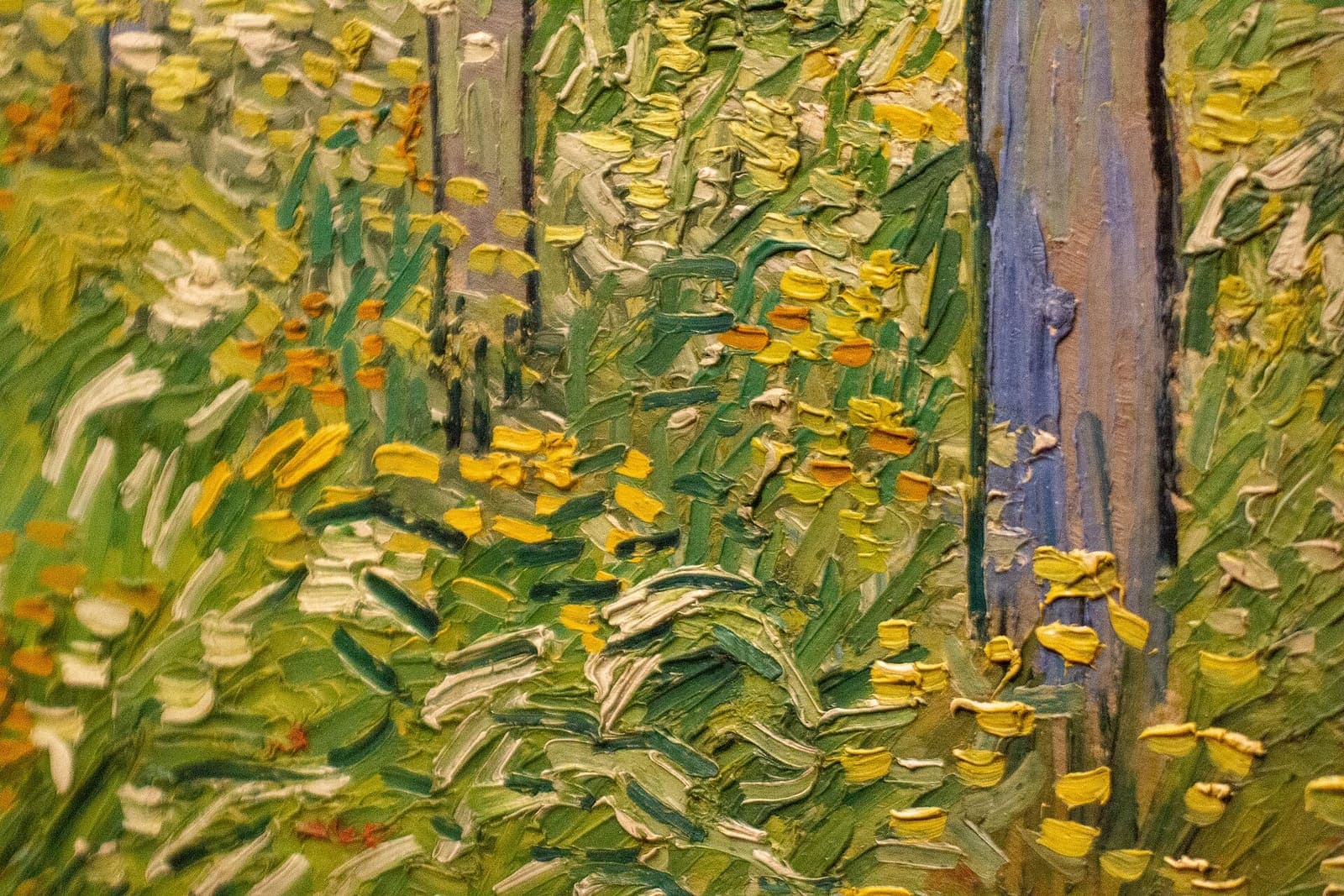
An original oil or acrylic painting has physical texture. Brushstrokes catch the light, paint builds up in ridges, and colors sit at different heights. Ask for a photo in raking light — light shining across the surface from the side — to reveal texture.
Be aware that some reproductions add clear textured gel over a print to mimic brushstrokes. The texture may not match the image underneath.
Magnify it
A magnifying glass or loupe is the fastest test:
- Offset lithographs and many posters show a grid of tiny dots — often in a rosette pattern.
- Giclée prints (high-quality inkjet reproductions) show a fine spray of ink droplets rather than a regular pattern.
- Originals show continuous brushwork, drawing lines or pigment without any regular dot structure.
Check the edges and back
Paintings on canvas often show paint wrapping around the edges or brush marks at the borders. The back of the canvas can tell you about age, stretcher bars, gallery labels and exhibition stickers. A crisp, printed image ending exactly at the edge suggests a reproduction.
Understand editions and signatures
Many artists produce legitimate limited editions — lithographs, etchings, screenprints and giclées. These can be valuable, but they aren't unique originals. Look for:
- Edition numbers, like 25/100, usually in pencil at the lower margin
- Hand signatures in pencil — a signature printed as part of the image ("signed in the plate") is less valuable
- Artist's proofs (A/P), a small number of prints outside the main edition
Grail Hunt tip: Ask the seller directly: "Is this a unique original painting, a hand-signed limited edition, or a reproduction?" Get the answer in writing in eBay messages. It gives you clear grounds for a return if the description turns out to be wrong.
Research the artist
For signed works by known artists, check auction records and catalogs to see whether the style, size and medium are consistent with their known output. Unknown and regional artists can be wonderful buys too — often at far lower prices.
The bottom line
Texture, magnification, edges and signatures reveal most reproductions. Know whether you're buying an original, an edition or a decorative print, and pay accordingly. The right piece, honestly described, is worth waiting for.
More Art guides