Collecting Folk Art and Outsider Art Without Getting Fooled by Fakes
Weathervanes, carvings, quilts and work by self-taught artists are prized for their character. How to judge age, provenance and condition before buying.
By The Grail Hunt · June 24, 2026 · 3 min read
This guide contains eBay affiliate links. If you buy through them we may earn a commission, at no extra cost to you. Read our affiliate disclosure.
Folk art is the art of everyday people — weathervanes that topped barns, carved animals and whirligigs, painted signs, hooked rugs and quilts. Outsider art refers broadly to work by self-taught artists working outside the formal art world, often with raw materials and a deeply personal vision. Both reward buyers who love character. Both are also targets for fakers, because "rustic and worn" is easier to fake than refined craftsmanship. Here's how to protect yourself.
Why this category is tricky
Unlike pottery or prints, most folk art has no maker's mark, no catalog number and no factory records. Value depends on age, originality, surface and visual power — all qualities that can be manufactured by someone skilled with stain, sandpaper and a torch. That means you need to judge the object itself, and the story behind it.
Weathervanes
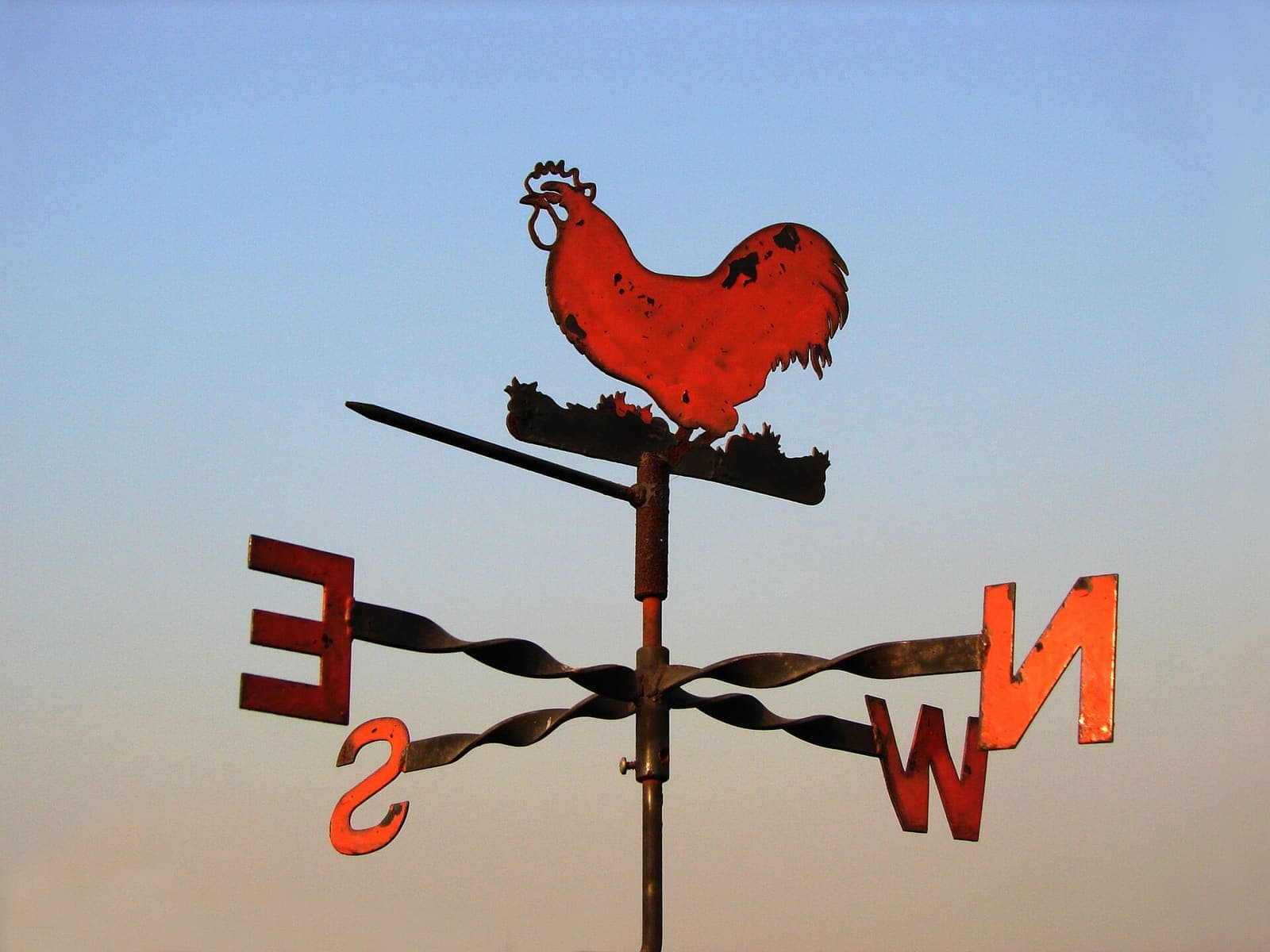
Antique weathervanes were often made of hammered or molded copper, sometimes with gilding, as well as cast iron, zinc and sheet metal. Decades outdoors create a natural verdigris patina and wear that varies across the surface.
Look out for:
- Uniform green patina applied chemically, sometimes flaking or powdery
- Fake bullet holes and dents that look too neat or evenly spaced
- Seams and solder that look modern or too clean
- Crisp, unworn mounting points on a piece supposedly exposed for a century
Carvings and painted pieces
For carved figures, decoys, whirligigs and painted boxes, surface is everything. Genuine old paint typically shows wear where hands touched it, dirt settled into crevices, and fine crackle in the paint layer. Warning signs include:
- Even, allover distressing instead of wear in logical places
- Paint that's worn to bright raw wood underneath
- Modern tool marks, such as uniform rotary-tool cuts, or modern screws and nails
- Oxidation and grime that sits on top of damage rather than inside it
Quilts and textiles
With quilts, study the fabrics and the stitching. Hand-quilted pieces show slightly irregular stitches, while machine quilting is uniform. Fabric prints and dyes can help date a quilt, and many imported reproductions use new fabrics printed to look old. Check for fading patterns, stains, fabric loss, repairs and odors. Note that quilt tops may have been finished much later than they were pieced — honest sellers will say so.
Outsider art and self-taught artists
Work by well-known self-taught artists has been forged, sometimes convincingly, and many artists produced a lot of work, making it easy to slip fakes into the market. Here, provenance matters more than almost anywhere else:
- Where did the piece come from, and who owned it before?
- Is there a record of purchase from the artist, a gallery or a documented collection?
- Do materials, subject matter and technique match the artist's known work and period?
Be cautious with pieces that have no history at all, or a vague story that can't be checked.
Grail Hunt tip: Ask for photos of the back, underside and interior of any piece — the places fakers spend the least effort. Honest age shows everywhere, not just on the side meant for display.
Condition and restoration
Some wear is expected and even desirable, but overpaint, replaced parts and heavy restoration reduce value. Ask what's original: paint, hardware, bases and stands. A UV light can reveal newer paint and repairs on painted surfaces.
Buying safely online
Ask for detailed photos in natural light, measurements, and any written provenance. Get the seller's description of age and condition in writing. Use a payment method with buyer protection, and insist on professional packing — carvings, metal vanes and framed textiles are all easy to damage in transit.
The bottom line
In folk and outsider art, the object and its story have to agree. Study surface and wear, examine hidden areas, demand provenance for important pieces, and walk away from anything that feels too perfectly old.
More Art guides