Antique Engagement Rings by Era: From Georgian to Retro, Decoded
Learn the hallmarks of each antique ring era, how old mine and old European cuts differ, and how to spot reproductions, lab-created stones and weak appraisals.
By The Grail Hunt · July 4, 2026 · 3 min read
This guide contains eBay affiliate links. If you buy through them we may earn a commission, at no extra cost to you. Read our affiliate disclosure.
An antique engagement ring carries a story no new ring can match. Each era has its own look, metals and diamond cuts — and knowing them helps you judge whether a ring is truly old, a later piece in an older style, or a modern reproduction. Here's a tour of the major eras and the checks that matter.
The major eras
Era dates are approximate and styles overlap, but these are the broad strokes:
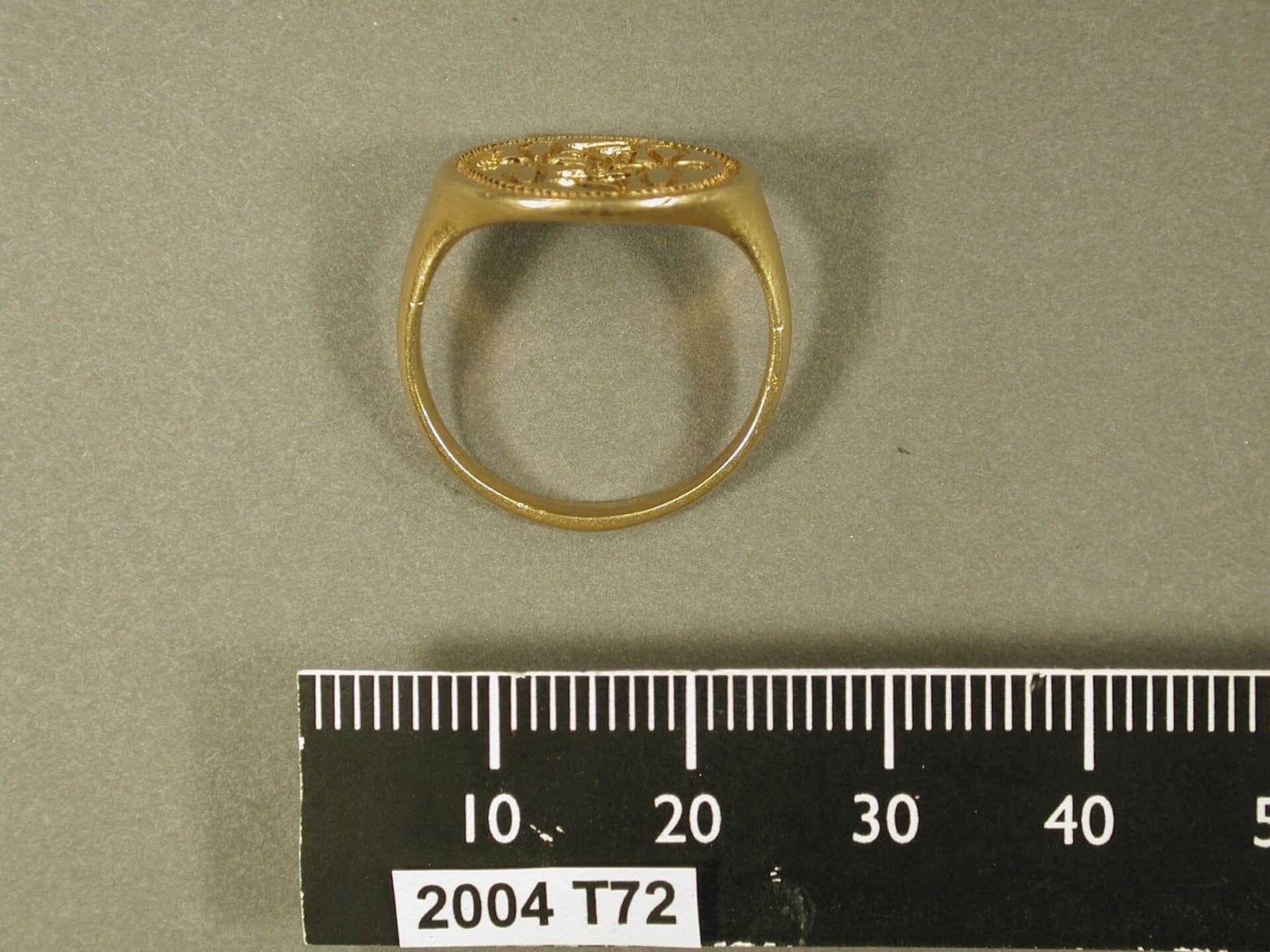
- Georgian (roughly 1714–1837) — rare and handmade. Look for closed-back settings, sometimes with foil behind the stones, and diamonds set in silver over gold. Rose cuts and early old mine cuts are typical.
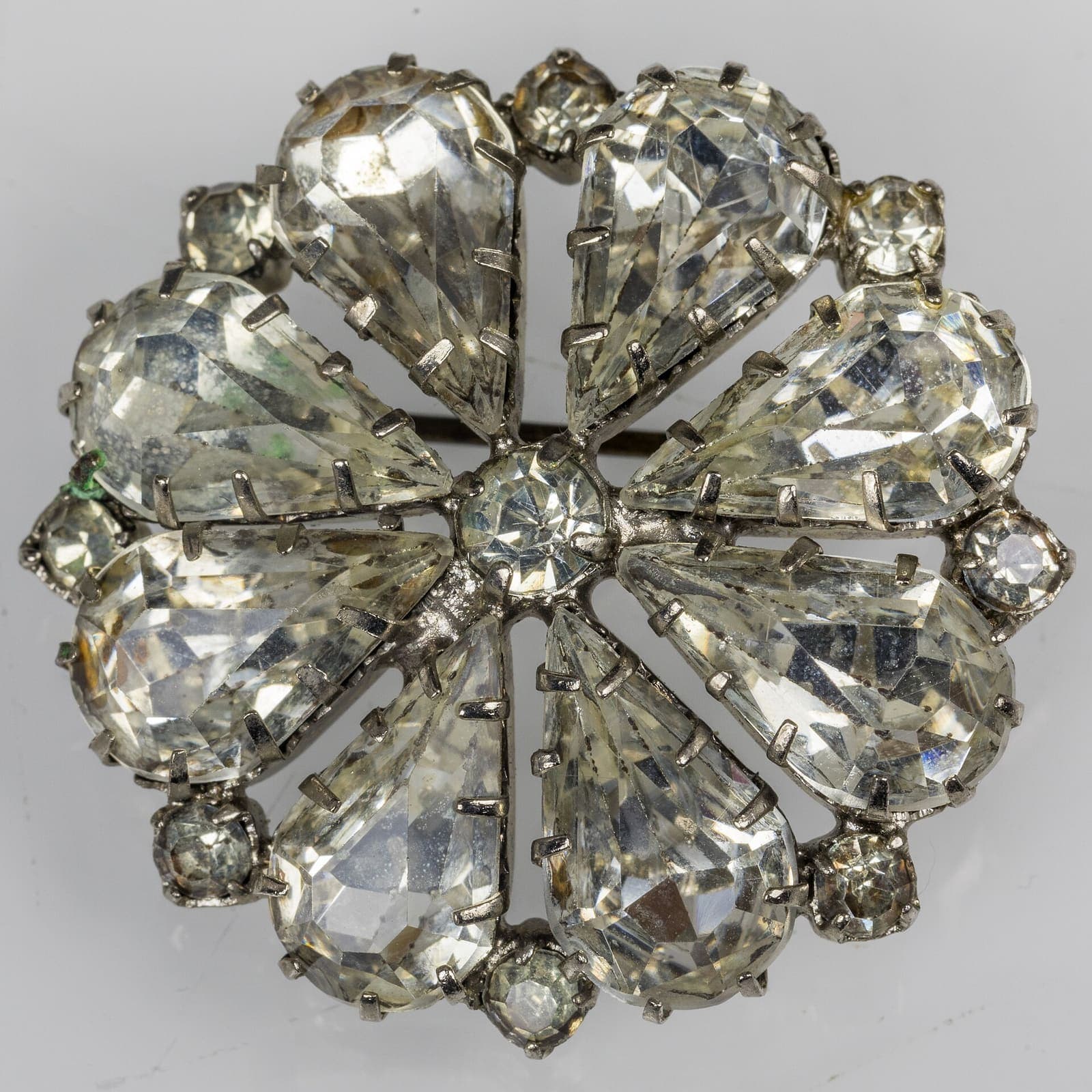
- Victorian (1837–1901) — romantic and sentimental. Yellow and rose gold, clusters, motifs like serpents and flowers, and a shift toward more open settings.
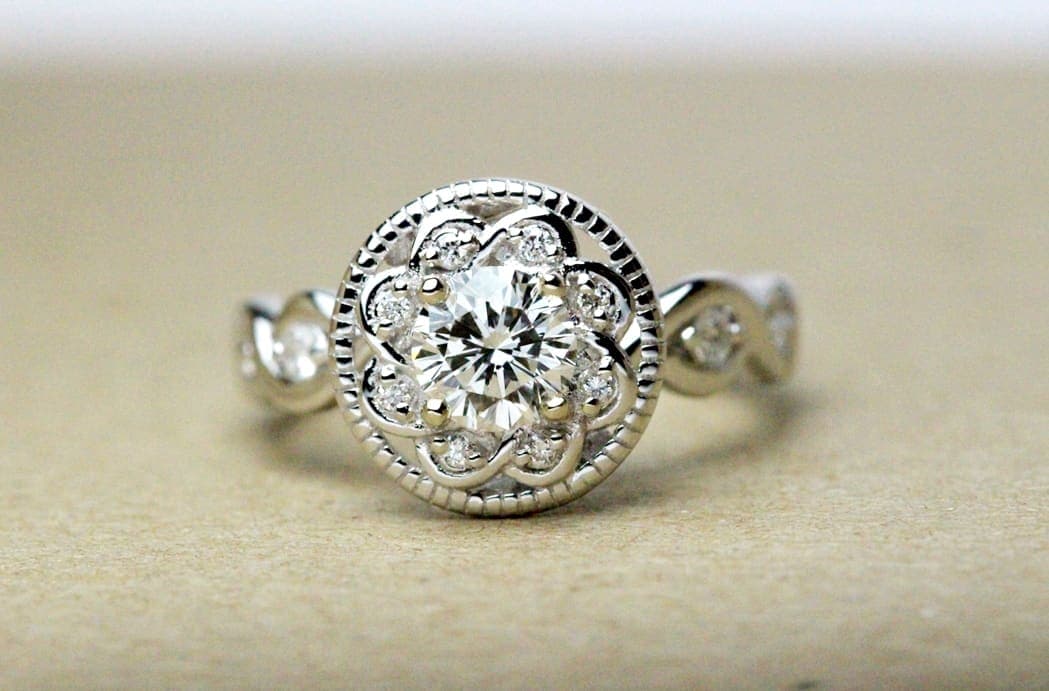
- Edwardian (about 1901–1910s) — light and lacy. Platinum came into wide use, allowing delicate filigree and fine milgrain edging.
- Art Deco (1920s–1930s) — geometric and bold. Platinum and white gold, strong lines, and calibré-cut colored stones framing diamonds.
- Retro (late 1930s–1950s) — big and glamorous. Chunky yellow and rose gold, sculptural shapes and larger settings.
Old mine vs. old European cuts
Before modern cutting tools, diamonds were cut by eye and by hand. Two cuts define many antique rings:
- Old mine cut — a cushion-like outline, a high crown, a small table and often a large culet (the flat facet at the bottom) that you can see as a small circle through the top.
- Old European cut — a round outline with a high crown, a small table and an open culet. It's a direct ancestor of the modern round brilliant.
These cuts have a softer, chunkier sparkle than modern cuts. A crisp, modern round brilliant in a ring described as Victorian may mean the stone was recut or replaced — not necessarily bad, but it matters to authenticity and value.
Spotting reproductions
"Antique style" and "vintage inspired" rings are everywhere, and some are listed carelessly as antique. Clues to a modern piece:
- Perfectly uniform milgrain and filigree that looks machine-made
- Modern cut stones throughout
- Contemporary stamps or laser inscriptions
- Metal that shows no wear at all on the band and prongs
Genuine antique rings usually show honest wear: thinned shanks, softened edges and past resizing. Wear isn't a flaw; its absence can be a clue.
Lab-created stones
Synthetic stones aren't only a modern issue. Lab-created rubies and sapphires have existed since the early 20th century, so a genuinely antique ring can contain a period synthetic. Modern lab-grown diamonds and moissanite can also turn up in rings sold as antique. The only reliable way to know is gemological testing.
Grail Hunt tip: Ask the seller directly whether the stones have been tested and by whom. "Natural diamond" in a listing is a claim; a report from an independent gem lab is evidence.
Appraisals and grading reports
Not all paperwork is equal:
- A grading report from an independent gem laboratory describes a stone's characteristics.
- An appraisal assigns a value, often an insurance replacement value that's much higher than what the ring would sell for.
- An appraisal provided by the seller is less meaningful than one you commission yourself.
For an important purchase, plan to have the ring examined by an independent, credentialed appraiser after it arrives — within the return window.
Buy safely online
Ask for photos in natural light, from the side, the underside and inside the band, plus close-ups of any stamps. Ask about resizing, repairs and replaced stones. Stick with sellers who specialize in antique jewelry and offer returns, and pay through the platform for buyer protection.
The bottom line
Learn the look of each era, recognize old mine and old European cuts, and treat every claim about age and stones as something to verify. An antique ring that passes an independent examination is a treasure you can wear with confidence.
The story behind it
More Vintage Jewelry guides