 Photo: MPhernambucq / CC BY-SA 4.0
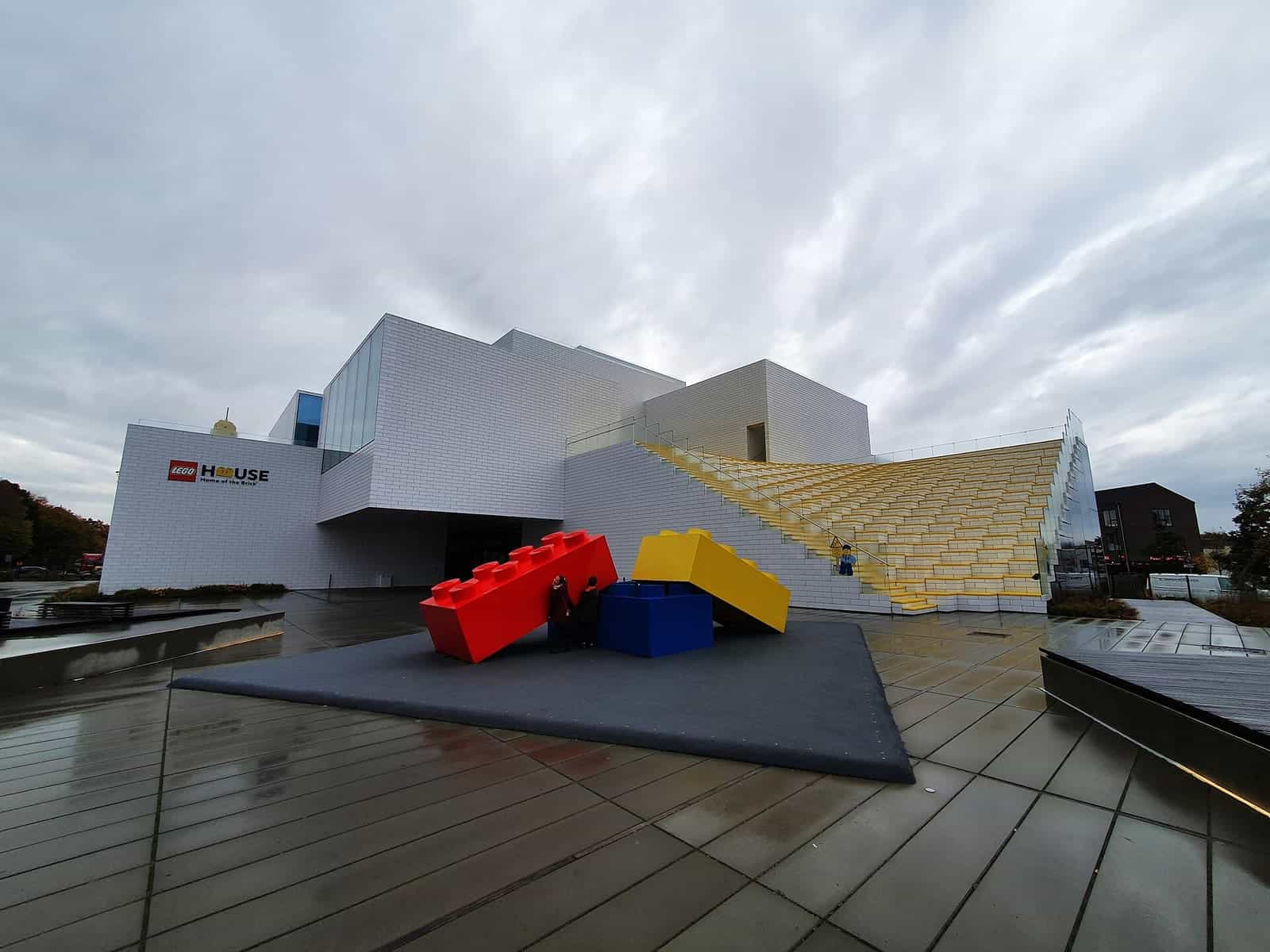
Billund, in the middle of Denmark's Jutland peninsula, was a small rural village in the early 1930s, and Ole Kirk Christiansen was one of its carpenters. He built houses and furniture for local farmers, and when the Great Depression arrived, the work dried up. Around 1932, looking for something that would keep his workshop going, he began making wooden toys: pull-along animals, yo-yos, trucks and other simple playthings. It was a modest pivot by a craftsman trying to survive hard times. It became the beginning of one of the most recognizable toy companies in the world.
Play well
In 1934 Christiansen chose a name for his business. He combined the Danish words "leg godt," meaning "play well," into a single word: LEGO. The company has since pointed out that, by happy coincidence, "lego" can be read in Latin as "I put together" or "I assemble," though that was not the origin of the name. At the time the company made no bricks at all, and the name was attached to wooden toys.
Those wooden toys, among them a painted pull-along duck that has become an emblem of the company's early years, earned a reputation for quality. Christiansen was, by the company's own telling, insistent on careful craftsmanship, and his son Godtfred joined the business as a boy and grew up in the workshop. Wooden toys remained part of the company's range for many years, until a fire in 1960 destroyed the wooden toy warehouse and the company decided to concentrate on plastic.
A bet on plastic
After the Second World War, plastics were a new and uncertain material for toys. In 1947 the company bought a plastic injection-molding machine, a large and expensive investment for a small firm in a country town. It was a gamble, and not everyone was convinced plastic toys would ever replace wood.
In 1949 LEGO began selling a plastic interlocking brick called the Automatic Binding Brick. The design was closely based on an existing British product, the Kiddicraft Self-Locking Building Brick, created by Hilary Fisher Page. The early LEGO bricks looked recognizably like the modern ones from above, with studs on top, but they were hollow underneath, and some had slits in their sides. They stacked, but they did not hold together well. A model built from them could come apart easily, which made it hard to build anything ambitious.
The bricks were renamed LEGO Mursten, meaning "LEGO Bricks," in the early 1950s. Around the same period, Godtfred Kirk Christiansen began thinking about the bricks not as a single toy but as the basis of a whole system, in which every set would work with every other set. In 1955 the company introduced the LEGO System of Play, starting with a town plan theme. The idea was sound, but it exposed the weakness of the bricks. A system built on bricks that did not stay together was only half a system.
The patent of 1958
The solution was deceptively simple. Instead of leaving the underside of a brick hollow, the company added hollow tubes inside it. When one brick is pressed onto another, the studs of the lower brick fit between the tubes and the walls of the upper brick, gripping at several points at once. The result is what builders call "clutch": the bricks hold firmly together, yet can be pulled apart again by a child's hands.
LEGO filed its patent application for the stud-and-tube coupling system in Copenhagen on January 28, 1958. That date is now celebrated as the birthday of the modern LEGO brick. Ole Kirk Christiansen did not see much of what followed; he died in March of the same year, and Godtfred took over leadership of the company.
The brick that children snap together today was defined by a patent filed in 1958, and a brick made that year will still lock onto one made this morning.
That compatibility is one of the most remarkable facts about the brick. The company has long maintained that bricks made under the 1958 design are compatible with bricks produced today, so a vintage brick and a modern one can be built together. Very few toys, or manufactured products of any kind, can claim that kind of continuity over so many decades.
A change of material
One important change came in the early 1960s. The earliest plastic bricks were made from cellulose acetate, a material that could warp and lose its shape and color over time. In 1963 the company switched to ABS plastic, which was more stable and held its dimensions and color better. ABS has remained the standard material for the classic brick ever since.
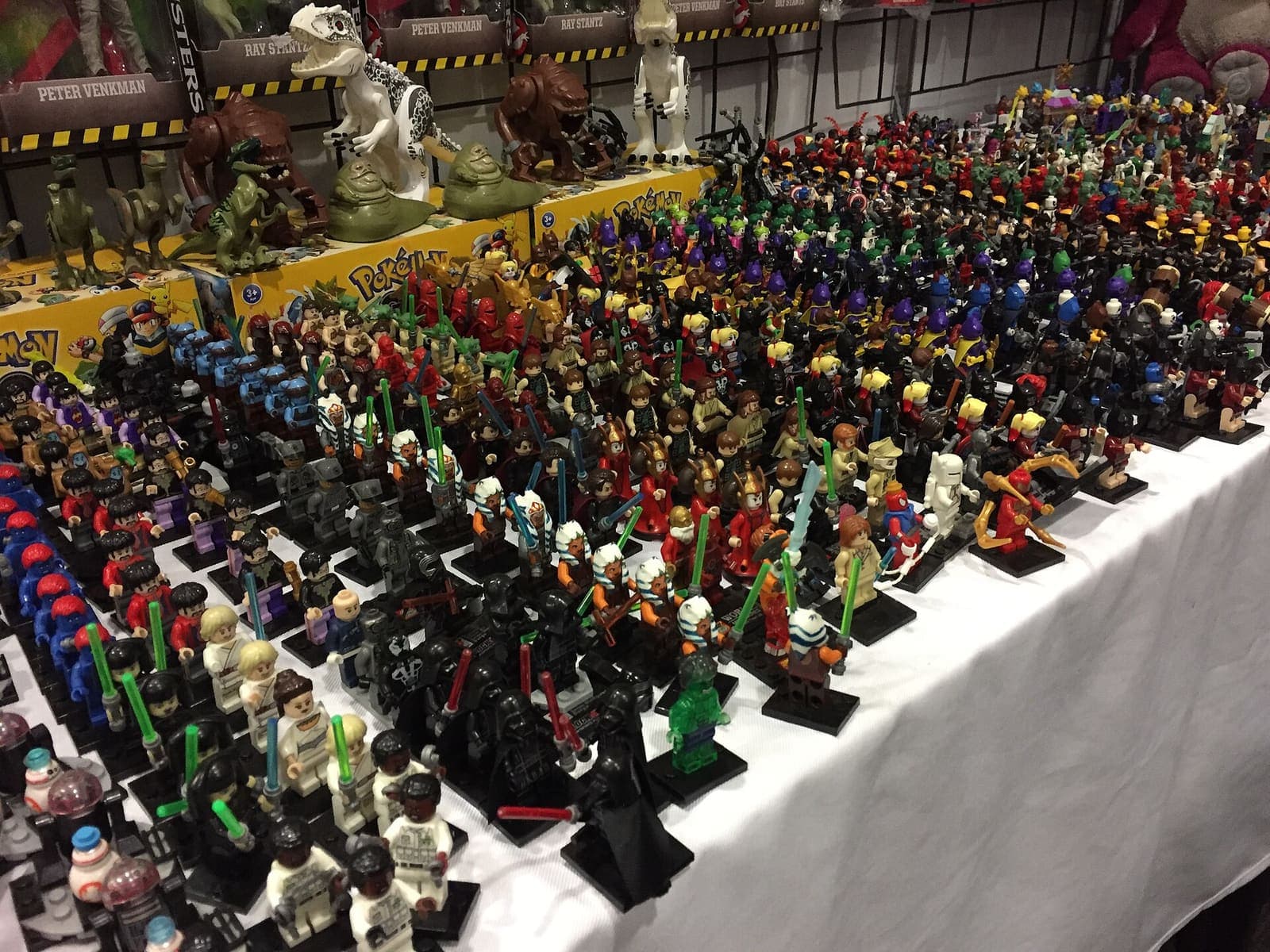
Through the 1960s and 1970s LEGO grew internationally, adding wheels, new element types and new themes. In the United States, the bricks were for some years made and distributed under license by Samsonite, the luggage company, beginning in the early 1960s, before LEGO later took over its own American business. The minifigure, now one of the most collected parts of the LEGO world, arrived in 1978, two decades after the patent that made it all possible.
What it means for collectors
For collectors of vintage LEGO, the story of the brick is also a practical guide. Pre-1958 bricks, including the Automatic Binding Bricks and early LEGO Mursten, are genuinely scarce and represent the company's earliest plastic experiments. They are easy to recognize once you know what to look for: the hollow underside without tubes is the giveaway, and slits in the sides mark some of the earliest designs.
Bricks from the cellulose acetate era, before the change to ABS, often show their age. Warping, discoloration and brittleness are common, and collectors expect them. Color and shade can also vary noticeably from later bricks. Early bricks and sets from the Samsonite period in the United States form their own collecting niche, with packaging and branding that differ from the Danish originals.
With complete vintage sets, collectors pay close attention to originality: whether the parts match the set's era, whether any pieces have been substituted with later ones, and whether the original box and instructions survive. Boxes from the 1950s and 1960s were usually thrown away or worn out, so surviving packaging in good condition is often harder to find than the bricks inside it.
Storage matters as much as it does with any plastic. Sunlight, heat and damp are the enemies of old bricks. Many collectors keep vintage pieces out of direct light, away from temperature swings, and resist aggressive cleaning that could damage fragile early plastics.
Above all, vintage LEGO rewards knowing the history. The difference between a hollow brick from the early 1950s and a stud-and-tube brick from a few years later is small to the eye, but it marks the moment a Depression-era woodworking shop found the idea that would carry it around the world.
More stories