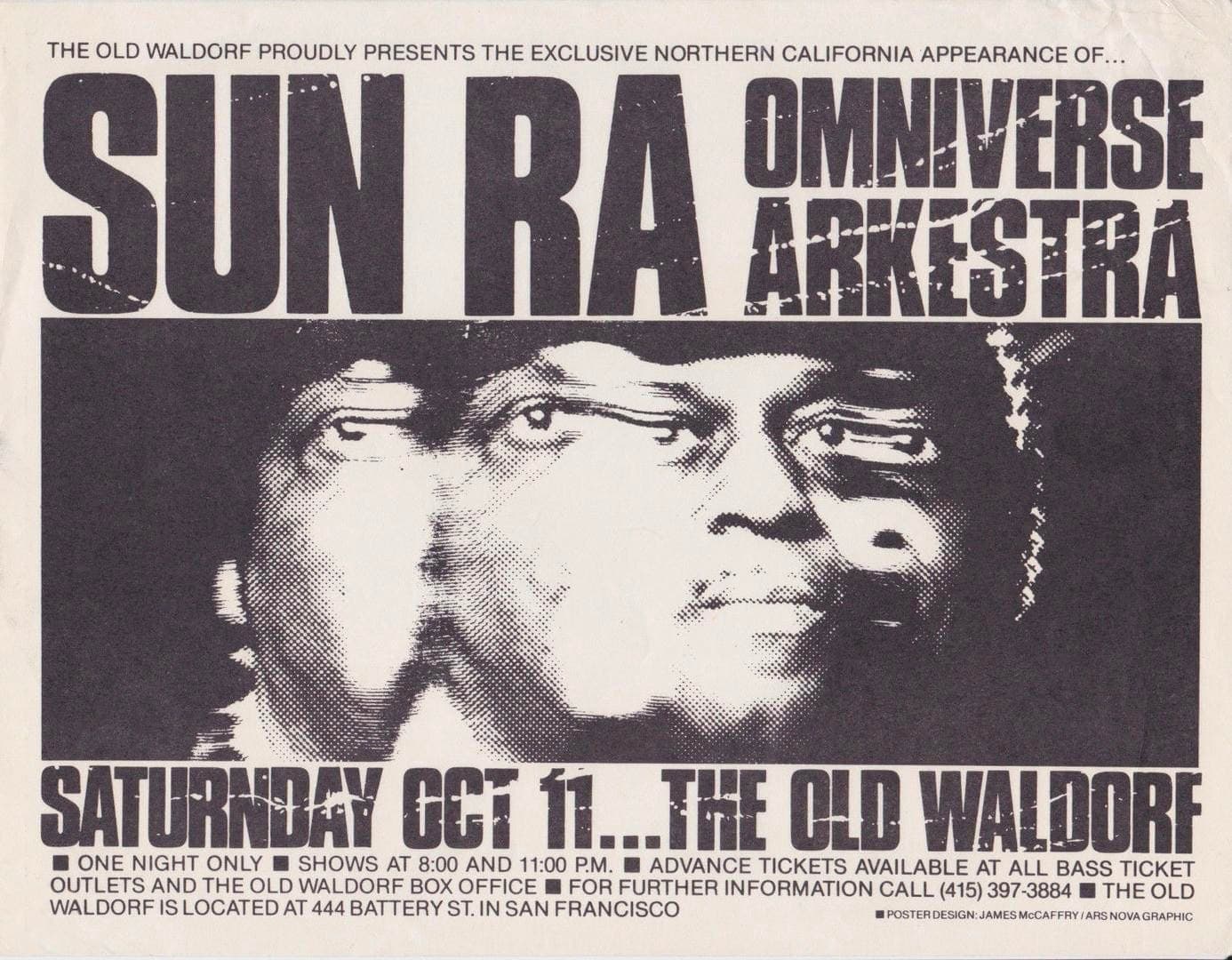
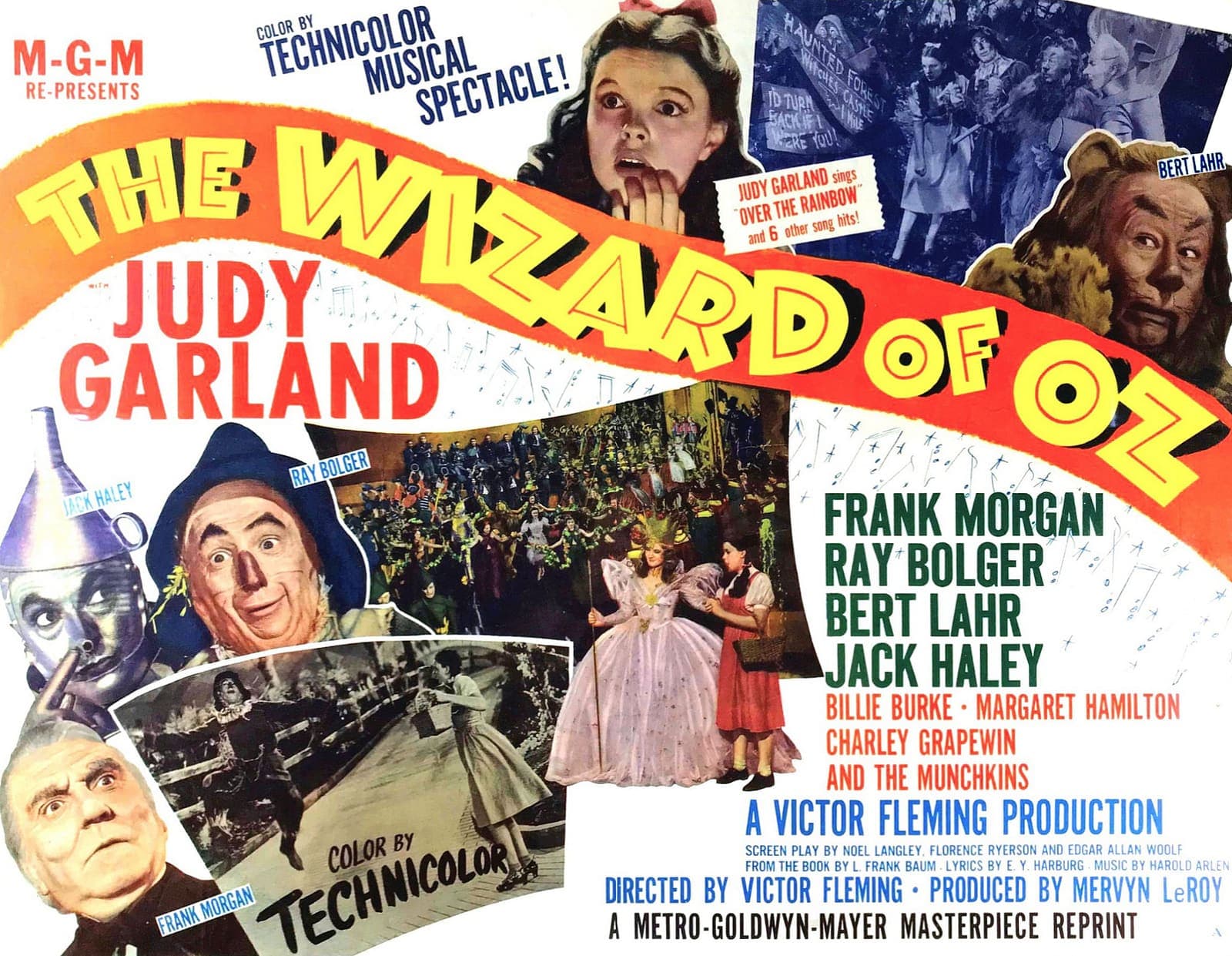
Vintage Movie Posters: How to Tell an Original From a Reprint
Sizes, fold lines, NSS numbers and linen backing all tell a poster's story. How to separate genuine theatrical paper from reprints before you buy.
By The Grail Hunt · July 20, 2026 · 3 min read
This guide contains eBay affiliate links. If you buy through them we may earn a commission, at no extra cost to you. Read our affiliate disclosure.
Original movie posters were printed for theaters, hung up and usually thrown away — which is exactly why survivors are so collectible. The catch is that the hobby is flooded with reprints, re-releases and restorations. Here's how to know what you're looking at.
Know the standard sizes
Studios printed posters in a set of standard formats, and size is your first reality check. In the US, the most common include:
- One-sheet — the classic poster, traditionally about 27 x 41 inches; many later one-sheets are closer to 27 x 40
- Insert — a tall, narrow format of about 14 x 36 inches
- Half-sheet — a horizontal format of about 22 x 28 inches
- Window card — a smaller card-stock poster, often with blank space at the top for the theater's name
- Lobby cards — sets of smaller 11 x 14 cards showing scenes from the film
Commercial reprints are frequently made in "decorator" sizes like 24 x 36 that don't match any theatrical format. If the measurements are off, ask why.
Folded vs rolled
For decades, most one-sheets and many other formats were folded before being sent to theaters. On older posters, neat fold lines are normal and expected — they're not a flaw so much as a sign of age. Rolled posters became standard later on, so a supposedly early poster that has never been folded deserves a closer look. Ask about its history.
Modern theatrical one-sheets are often printed double-sided, with a reversed image on the back to glow on a lightbox. Many retail reprints are single-sided, which is a useful clue for newer titles.
Read the border: NSS numbers and credits
Many US posters from roughly the 1940s into the 1980s were distributed by National Screen Service, and carry a small printed code in the bottom border. That code typically includes a two-digit year and a number, and re-release posters often carry an "R" prefix before the year.
The border can also show the studio name, copyright line and printer information. Reprints often crop, blur or omit this fine print entirely. Always ask for a close-up of the bottom margin.
Re-releases aren't reprints
A re-release is a genuine theatrical poster printed when a film returned to theaters, sometimes years after its debut. It's authentic — just not a first release. Re-release posters can have different artwork, altered credits or a changed tagline, and they're generally valued below the original release. Know the difference before you pay first-release money.
A reprint, by contrast, was produced for retail sale and never used in a theater. Signs of a reprint include glossy photo-style paper, pixelated or blurry text, a halftone dot pattern that looks too fine and modern, and missing border information.
Linen backing and restoration
Serious collectors often have fragile older posters linen-backed: mounted onto acid-free paper and canvas, which flattens folds and stabilizes tears. Smaller formats like inserts and half-sheets are commonly paper-backed instead. Backing is widely accepted in the hobby and can make a poster far more displayable.
Backing usually goes hand in hand with restoration — filling fold separations, touching up paper loss and color-matching worn areas. Light work is normal; heavy airbrushing or redrawn areas can significantly change what a poster is worth. Ask the seller directly:
- Has the poster been backed, and when?
- What restoration was done, and how extensive was it?
- Are there "before" photos from the restorer?
Grail Hunt tip: Ask for a photo of the poster with a tape measure along two edges, plus a raking-light shot across the surface. Measurements expose odd reprint sizes, and angled light reveals fold lines, touch-ups and surface texture that a flat photo hides.
Buying safely online
Stick to sellers with detailed descriptions and strong feedback in posters. Request full-size photos of the front, the back (if unbacked) and every corner. Confirm how the poster will ship — rolled in a sturdy tube, or flat between rigid boards — and keep all of your questions and answers in eBay messages so they're on record if an item isn't as described.
The bottom line
Measure the poster, read the border, understand whether you're looking at a first release, a re-release or a retail reprint, and ask plainly about backing and restoration. A little diligence makes sure genuine theatrical paper is what ends up on your wall.
More Movie & Music Memorabilia guides