LEGO Star Wars UCS Sets: What to Check Before You Buy a Big Ship
Box condition, missing parts, applied stickers and display wear can make or break a UCS purchase. Here's how to vet a LEGO Star Wars flagship set online.
By The Grail Hunt · July 10, 2026 · 3 min read
This guide contains eBay affiliate links. If you buy through them we may earn a commission, at no extra cost to you. Read our affiliate disclosure.
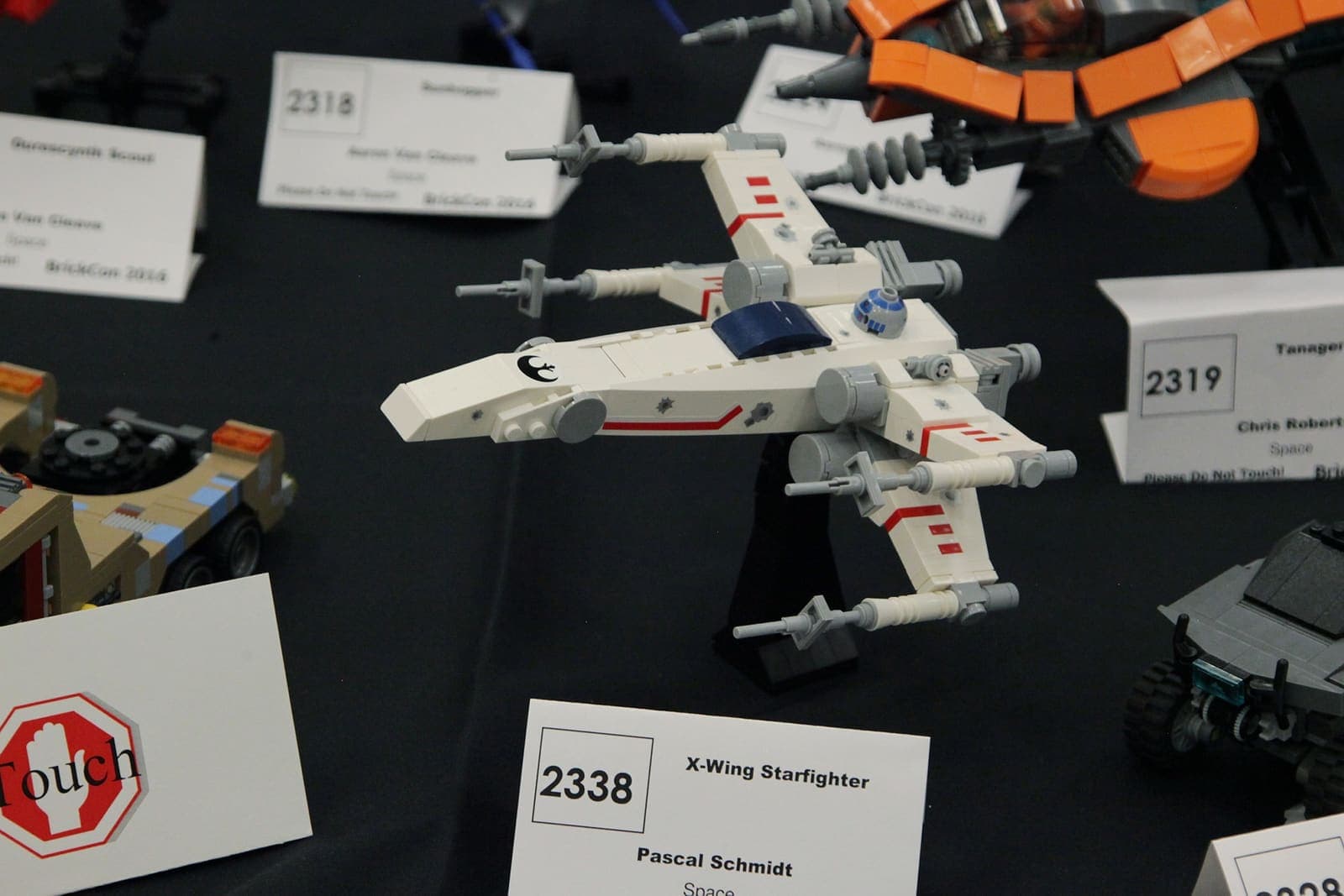
LEGO's Ultimate Collector Series is where Star Wars fans go big — huge ships, detailed display stands and information plaques built for adults. Because these sets are large, expensive and often retired, buying one secondhand takes more homework than grabbing a small play set. Here's what to check before you commit.
1. Sealed, opened or built?
UCS listings usually fall into three camps, and they're valued very differently:
- New, factory sealed — the box has never been opened. Check that the seals look original for the set's era and haven't been sliced and re-taped.
- Opened but unbuilt — the bags are still sealed inside an opened box. Ask for a photo of the bags laid out, with their numbers visible.
- Built or used — the set has been assembled, and possibly taken apart again. This is the most common and the most variable category.
Treat "new" claims with healthy skepticism. A box that has been carefully opened and resealed can look convincing in photos, so ask for close-ups of every seal and flap.
2. Judge the box like a collector would
For sealed sets, the box is much of the value. Look for crushed corners, creases, shelf wear, fading from sunlight and water stains. Price stickers and residue from removing them matter too. If box condition is important to you, ask how the seller plans to ship it — a big UCS box shipped without an outer carton often arrives dented.
3. Confirm completeness piece by piece
For built sets, "100% complete" is only as good as the person who checked it. Ask the seller directly:
- Have they checked it against the official inventory? Community databases such as BrickLink and Rebrickable list the parts in each set.
- Are the instructions, the display stand and the information plaque included?
- Are any parts substituted with pieces from other sets or with non-LEGO clones?
Big UCS sets have hundreds or thousands of pieces, and missing a few specialty parts — printed tiles, unusual colors, large wedge plates — can be a real hunt to replace. Budget for that if the seller can't vouch for completeness.
4. Stickers: applied, unapplied or missing
Many UCS sets include a sticker sheet, and collectors care about it. An unapplied sheet is generally preferred, because you can apply stickers yourself and it proves the set was handled carefully. Applied stickers should be straight, unpeeled and free of bubbles or yellowing. A missing sheet is a notable flaw, since reproductions exist and aren't the same as originals. Some sets use printed parts instead of stickers, so check which applies to yours.
5. Look hard at display wear
UCS sets are made to sit on a shelf — which means dust, sun and time. Watch for:
- Yellowed or faded white and light gray parts from UV exposure
- Dust worked into studs and crevices that no photo quite shows
- Stress marks and cracks on pieces held under tension for years
- Smoke or pet exposure, which you can't see but will certainly smell
Ask whether the set was displayed in a smoke-free home and away from direct sunlight.
6. Verify the minifigures
Minifigures are often the most valuable parts of a set, and the first to go missing or be swapped. Compare every figure against official images of the set, checking torso and leg printing, accessories and headgear. Genuine figures have consistent, sharp printing; counterfeit minifigures often show fuzzy printing, slightly off colors or a different plastic sheen. Ask for close-ups of each figure, front and back.
Grail Hunt tip: Ask the seller for a photo of the set's minifigures and any printed parts next to a handwritten note with today's date. It proves they physically have the items shown, not borrowed stock photos.
7. Buy with protections in place
Stick with sellers who have strong feedback on LEGO sales specifically. Read the listing for words like "incomplete," "not checked" or "as is." Pay through the platform so you're covered by its buyer protection, and open the box on camera when it arrives so you have evidence if something's missing.
The bottom line
Decide whether you want a sealed collectible or a set to build, then judge it on the things that drive value: box condition, completeness, stickers, display wear and genuine minifigures. A patient buyer with good questions will end up with a ship worth displaying.
More LEGO guides